
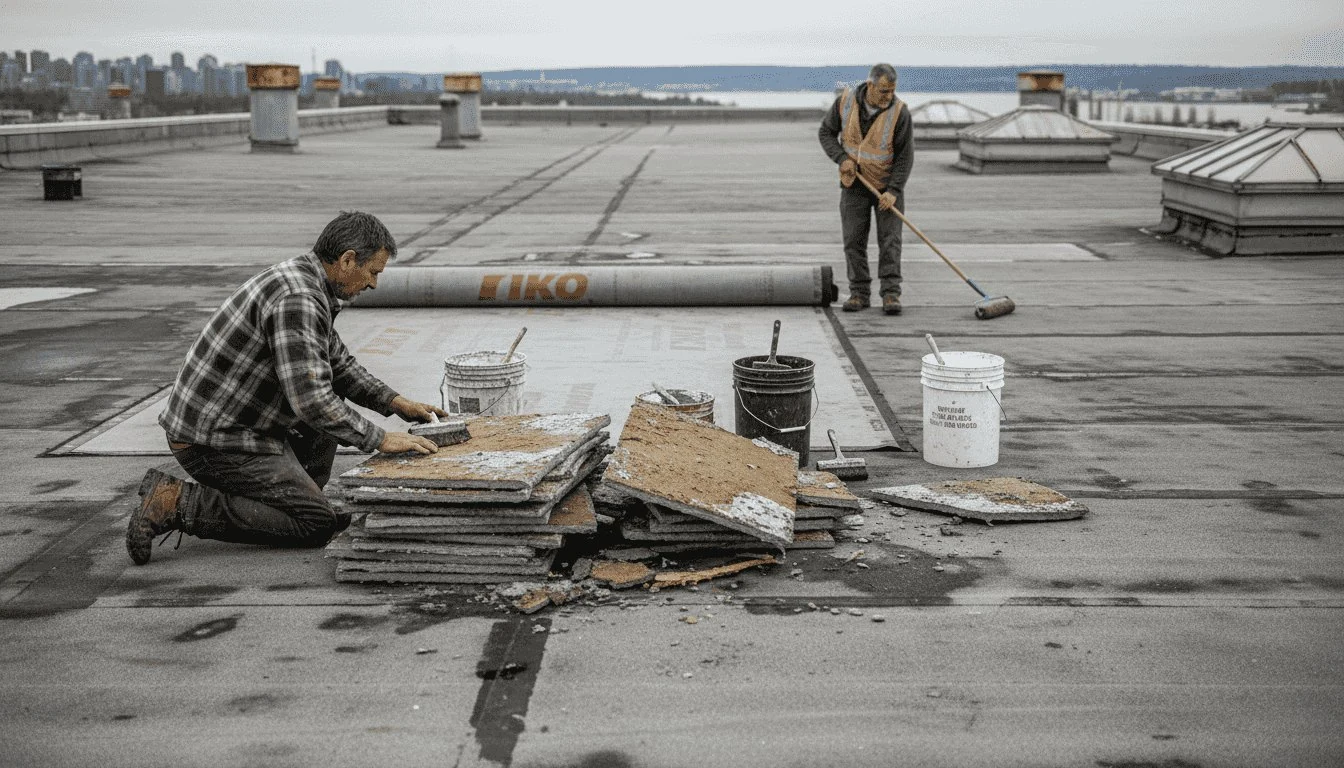
Roof Recover & Overlay in Lansing, MI
Lansing, Michigan
What a Roof Recover Can Hide - and When It Shouldn't
Recovering an existing roof instead of tearing it off saves money and disposal cost, and for the right building it's a completely legitimate choice. The problem is that a re-cover also has a specific ability to hide a deck problem that a tear-off would expose - and the owner who chose re-cover to save money is the one who ends up paying for that mistake later, usually at the worst possible time.
Why Owners Choose Re-Cover
A recover avoids tear-off labor, disposal fees, and the risk of exposing the building interior to weather during construction - a real concern on occupied state buildings, campus dormitories, and hospital-adjacent facilities where a mid-project rain event turns from an inconvenience into a real liability. For a roof with a sound, dry deck and no more than the code-allowed number of existing layers, re-cover is a reasonable way to extend service life at a lower installed cost than a full tear-off.
We see this decision most often on occupied buildings where the owner is weighing the disruption of a tear-off against the lower cost and faster schedule of a re-cover. On a hospital-adjacent medical office building or a state agency building with public-facing hours, that scheduling difference is a real, legitimate factor in the decision, separate from the cost savings itself.
What a Re-Cover Genuinely Cannot Fix
A new membrane laid over an existing roof doesn't repair wet insulation, deteriorated deck, or compromised structural steel underneath - it just covers it. Insulation that's already lost R-value from years of moisture intrusion stays lost. A deck with corrosion at the fastener points keeps corroding, just now under two layers of roofing instead of one, harder to catch on the next inspection. This is the core risk with re-cover: it can make a genuinely bad problem invisible for years, right up until it isn't.
We've been called to state and institutional buildings where a prior re-cover was done specifically to avoid the cost of a proper deck assessment, and the deck problem that got covered over eventually required emergency tear-off - at a cost well above what a tear-off would have run the first time, on top of whatever the re-cover itself cost.
That's the scenario we try hardest to prevent. A tear-off that gets deferred through one re-cover, then discovered anyway when the deck finally fails outright, is the single most expensive path a roof can take in this market, and it's entirely avoidable with an honest moisture and deck assessment before the first re-cover decision gets made.
The Checks We Run Before Recommending Re-Cover
- Moisture scan across the full roof field, beyond the areas with visible symptoms
- Layer count against the applicable code limit for additional re-covers
- Core samples at multiple locations to check deck and insulation condition directly
- Structural load review for the added dead weight of another roofing layer
- Drainage assessment, since a re-cover doesn't correct an underlying slope problem
- Interior inspection for staining or structural signs that don't show from the roof surface
If any of those checks come back showing a wet deck, an already-maxed layer count, or structural concerns, we recommend tear-off instead, even though it costs more up front - because the alternative is spending re-cover money on a roof that needed the deck work all along.
We put these results in writing with core sample photos and moisture readings by roof zone, so the recommendation stands on more than our word against a lower competing bid that skipped the assessment altogether.
How This Decision Plays Out on Public and Institutional Buildings
Facilities teams working within a fixed annual capital budget sometimes feel pressure to choose the lower-cost option regardless of what the roof actually needs. That constraint is real, and there are roofs in this market where re-cover is the honest, correct answer within that budget. What we won't do is recommend re-cover on a roof that fails the moisture and deck checks just because it's the cheaper number on paper, because that decision tends to come back to the same facilities team as a much larger emergency expense a few years later.
We'd rather lose a bid to a lower number today than watch a facilities director explain an emergency tear-off to their board two years after choosing re-cover on our recommendation. That's the standard we hold the recommendation to.
Questions Owners Ask About Recover vs. Tear-Off
How can I tell if my roof is even a candidate for recover?
It comes down to deck and insulation moisture, existing layer count against code limits, and structural capacity for added weight. We check all three before recommending either option.
Is recover always cheaper than tear-off?
Usually, in the short term. But if the deck underneath has already been compromised, recover just delays and increases the eventual cost of the tear-off that was needed anyway.
How do you check what's happening under an existing roof without removing it?
Moisture scanning and targeted core samples let us assess deck and insulation condition without a full tear-off, which is how we confirm whether a re-cover is actually appropriate.
What's the code limit on how many times a roof can be recovered?
It varies by jurisdiction and existing assembly, but most codes cap the number of layers well before a building would reach it through repeated re-covers, and structural weight limits often become the binding constraint first.
We pull the applicable code section for the owner's specific jurisdiction before quoting a re-cover, rather than relying on a general rule of thumb, since Ingham, Eaton, and Clinton county jurisdictions don't all handle this identically. It's a small step that avoids a failed inspection later in the process.
If a previous contractor already recovered our roof once, can it be recovered again?
Possibly, but that's exactly the situation where a thorough moisture scan and layer count check matter most - a second re-cover on top of a first one is where problems most often go undetected.
Ready to review the roof scope?
Related Commercial Roofing Services
-
Keeping Drains and Scuppers Working Through a Lansing Winter
View project -
Silicone Coatings as a Capital-Budget Alternative to Replacement
View project -
Standing Seam Metal for Distribution and Plant Buildings
View project -
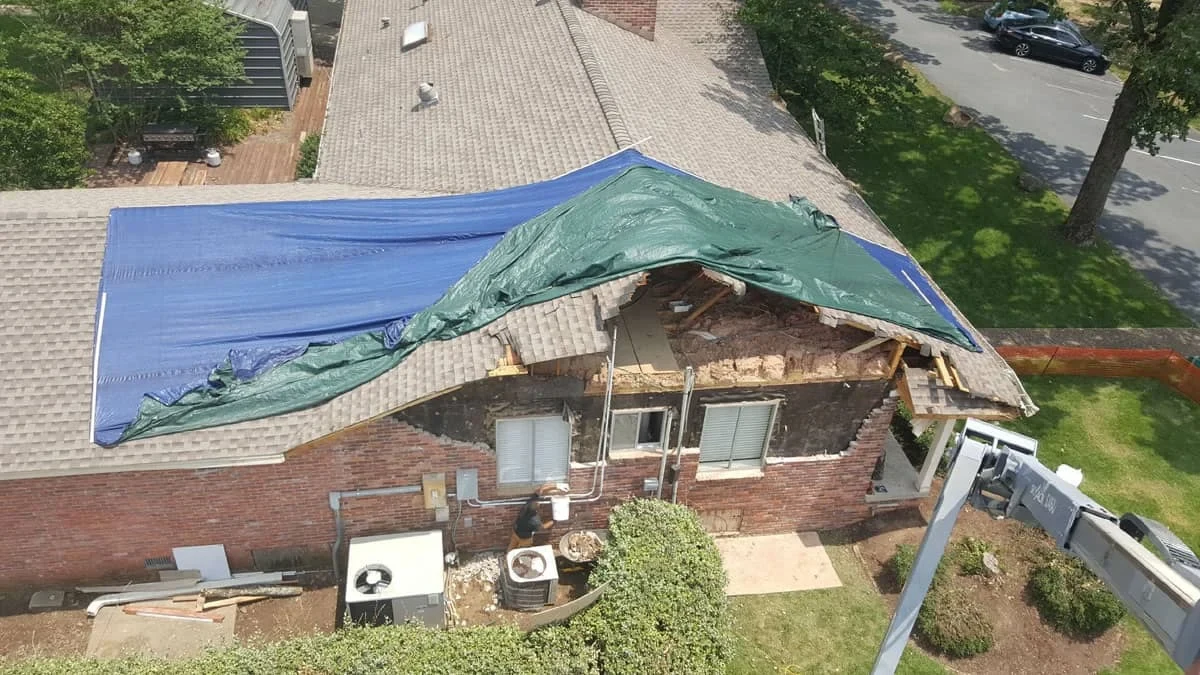
Repairing Lansing Roofs After Wind, Ice, and Derecho Damage
View project -
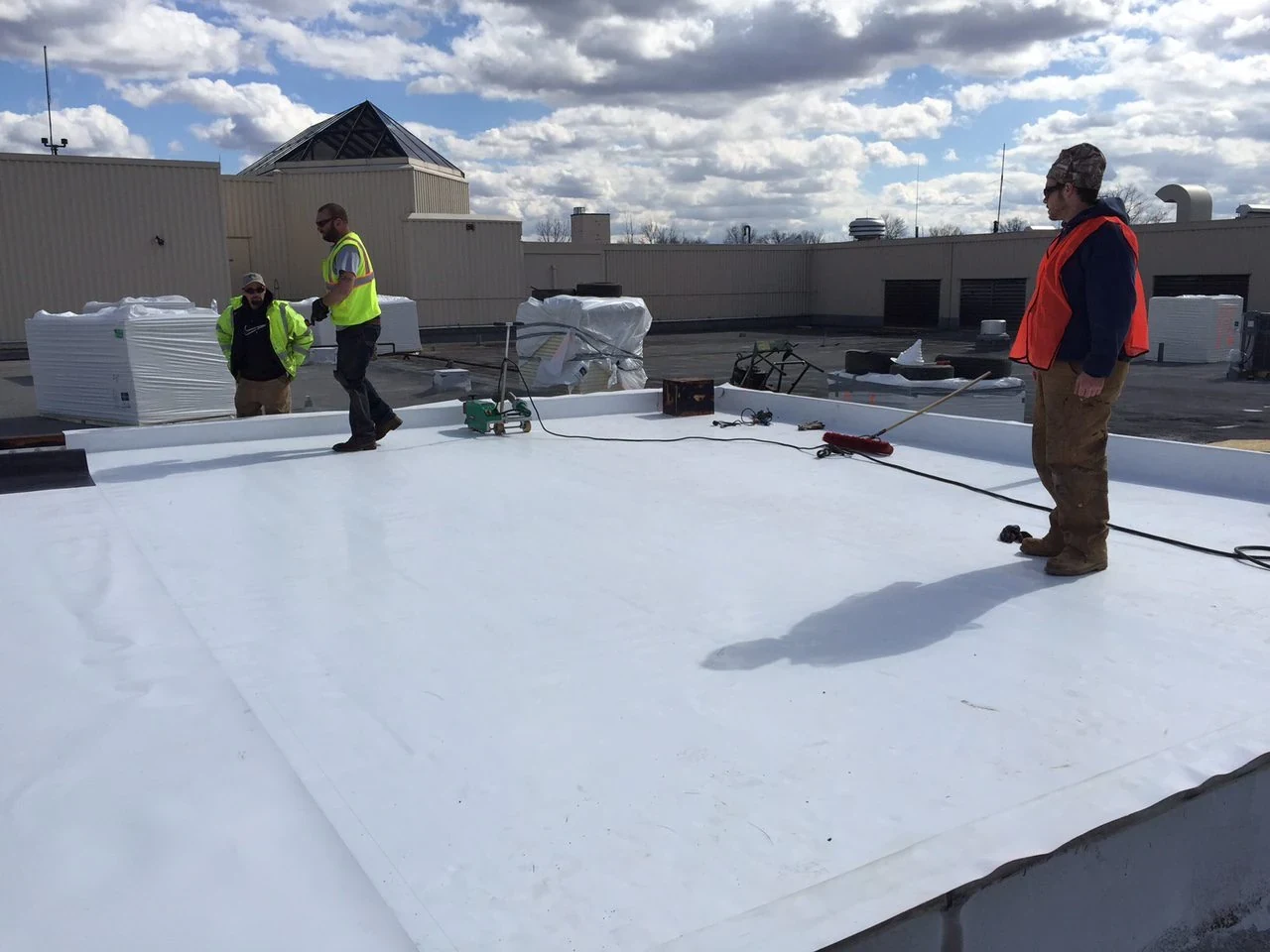
TPO Roofing for Lansing's State and Auto-Plant Buildings
View project -
Roofing Decisions for Potterville's Small Commercial Buildings
View project