
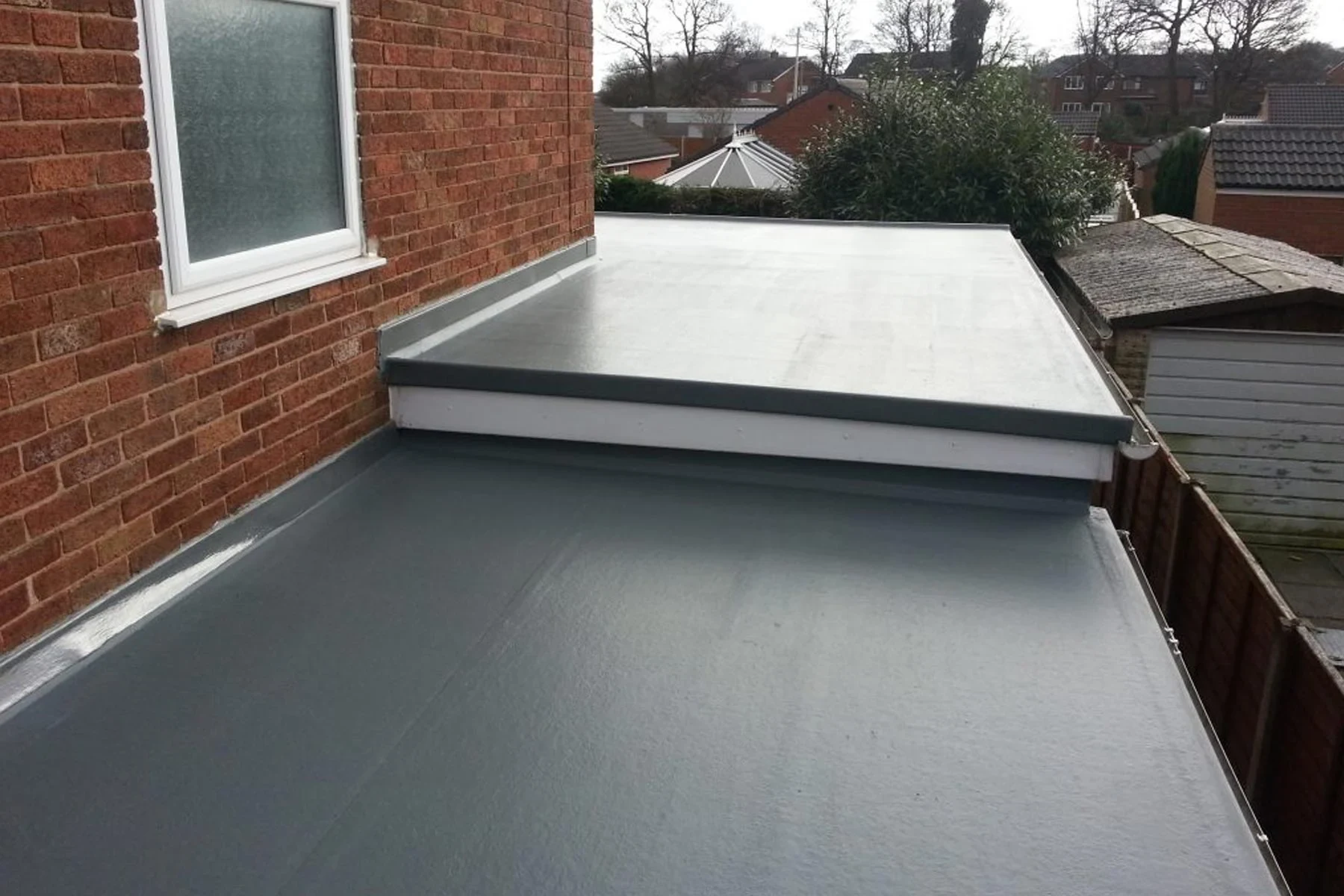
EPDM White Roof Systems in Lansing, MI
Lansing, Michigan
White EPDM Ballasted and Adhered Systems for Lansing Roofs
White EPDM shows up on Lansing roofs mainly for two reasons: an owner wants the reflectivity to cut summer cooling load, or the roof was originally specified as a ballasted system and stone or pavers are already doing a chunk of the weatherproofing job. Both versions perform differently through a Michigan winter, and the differences matter more than most bid sheets explain.
Ballasted vs. Fully-Adhered White EPDM
A ballasted EPDM roof uses loose membrane held down by stone or paver ballast rather than full adhesion or mechanical fasteners across the field. That approach is cheaper to install and easier to repair in sections, but it depends entirely on the ballast staying in place and the membrane staying loose enough to move slightly without tearing at fastened perimeters.
Fully-adhered white EPDM bonds to the substrate the same way black EPDM does, and the tradeoffs are similar: better resistance to wind uplift, more exposure to thermal shrinkage over time, and a repair process that requires proper adhesive cure conditions rather than just resetting stone.
Wind and Snow Load on Ballasted Roofs
Ballast has to resist wind uplift, and on roofs near open exposure or taller adjacent buildings, wind patterns can shift ballast unevenly over years of storms. We see this on retail and office roofs around the Eastwood Towne Center area in Lansing Township, where surrounding structures create wind patterns that don't match what a simple uplift calculation would predict for an open field. When ballast shifts, it exposes bare membrane to UV and debris and it can also leave a thin spot vulnerable to ice buildup where snow no longer distributes evenly.
Snow sitting on a ballasted roof also melts and refreezes differently than on a smooth membrane, because the stone holds cold longer in shaded areas. We check for ice forming under the ballast layer at drains and low points during winter inspections, since that's not something a summer walk-through would catch.
Reflectivity and Real Energy Tradeoffs
White EPDM reflects more solar heat than black, which lowers rooftop surface temperature and can meaningfully reduce cooling load on buildings with significant HVAC tonnage, like medical office buildings around Okemos or larger retail boxes in South Lansing. That reflectivity fades over time as the surface picks up dirt and biological growth, so the energy benefit an owner expects on day one isn't the same benefit fifteen years later without maintenance.
We're direct with owners about this tradeoff: white EPDM is a legitimate energy strategy, but it is not a maintenance-free one. A dirty white roof loses much of its reflectivity advantage, and cleaning has to be built into the maintenance plan if the energy case is part of why the roof was specified.
Cold-Weather Seam and Adhesive Limits
Fully-adhered white EPDM seams have the same cold-weather cure requirements as black EPDM. Adhesive and seam tape need workable ambient and membrane temperatures, and rushing that process into a cold snap produces the same kind of premature seam failure we see on black membrane roofs. Ballasted systems have a different vulnerability: if ballast is disturbed during winter service work and not properly redistributed, the exposed membrane can sit unprotected through the rest of the season.
- Ballast visibly displaced or drifted toward one section of the roof
- Bare or thin membrane exposed where stone has shifted
- Discoloration or dark staining reducing reflective performance
- Ice forming under ballast near low points or drains
- Seam edges lifting at fully-adhered perimeter details
- Membrane shrinkage pulling away from parapet terminations
On ballasted roofs specifically, we check ballast depth and distribution as part of every winter-prep inspection, since that's a maintenance item most building staff never think to look at.
Where This System Makes Sense in Lansing
We spec white EPDM most often on larger flat roofs with real cooling loads and an owner motivated to manage energy cost, or on buildings where the existing structure already supports ballast weight and a recover over sound substrate is the more economical path than tear-off.
It's a less obvious fit on smaller, simply-shaped roofs without significant cooling load, where the added cost of ballast or the reflective premium doesn't return enough value to justify it over standard black membrane.
What Owners Usually Want to Know
Does ballast add significant weight to the roof structure?
Yes, and that has to be checked against the building's structural capacity before a ballasted system is specified, especially on older buildings. We confirm this before quoting, not after.
How often does ballast need to be redistributed or topped off?
It depends on wind exposure and roof shape, but we recommend checking ballast distribution at least annually, more often on roofs with taller adjacent structures that create turbulent wind patterns.
Is white EPDM more expensive than black EPDM?
Material cost is usually similar; the bigger cost driver is whether the project is ballasted or fully-adhered, and how much tear-off or deck repair the job requires.
Can we switch from black to white EPDM during a recover?
Often yes, if the existing roof passes a moisture inspection and the deck is sound. We'll walk through what a recover would and wouldn't fix on the existing assembly first.
Does snow load change with a ballasted roof?
The ballast itself adds a modest static load, and snow accumulation patterns can differ slightly from a smooth membrane. We factor both into any structural review before recommending a ballasted system on an older building.
Ready to review the roof scope?
Related Roof Systems
-
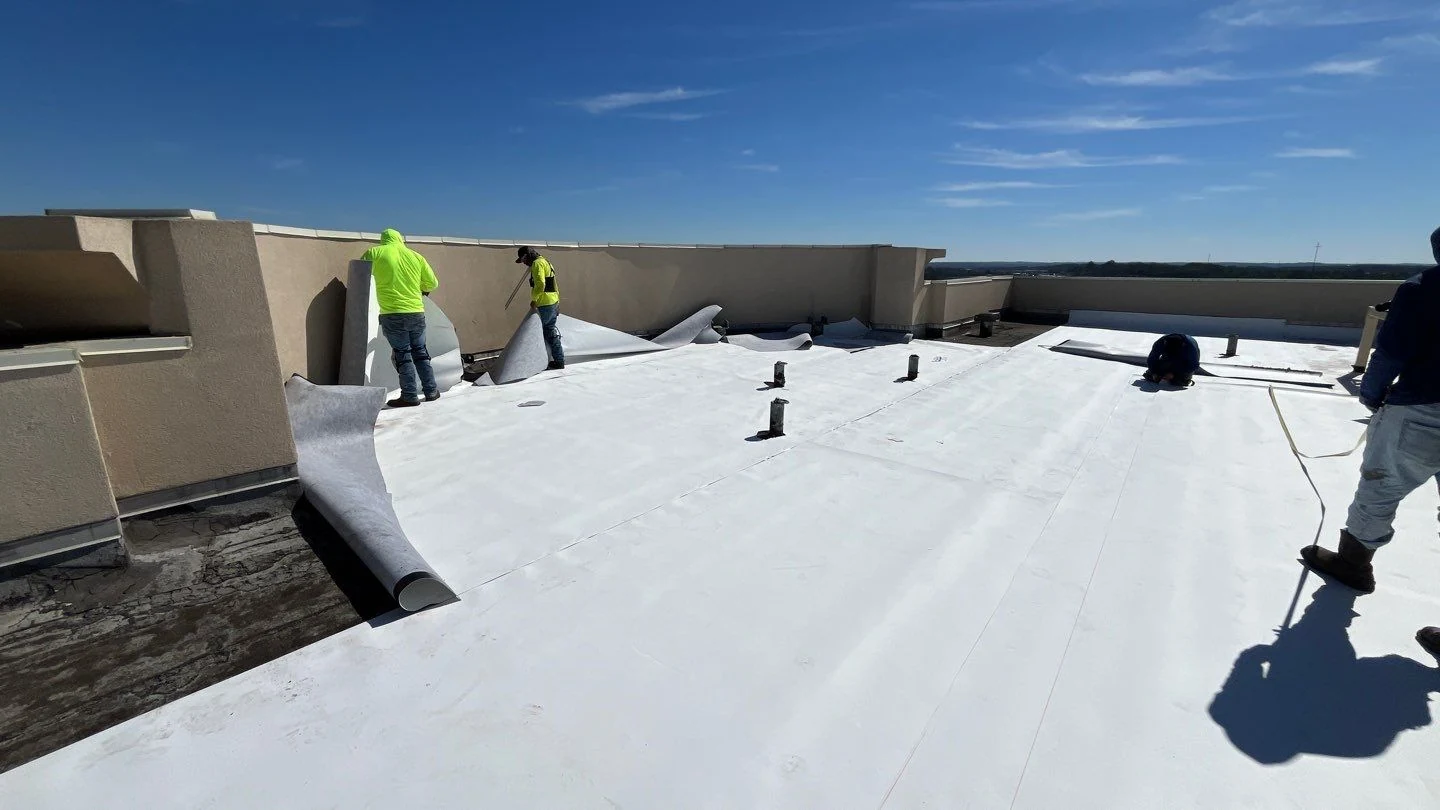
TPO 60 Mil: The Baseline Spec for Most Lansing Reroofs
View project -
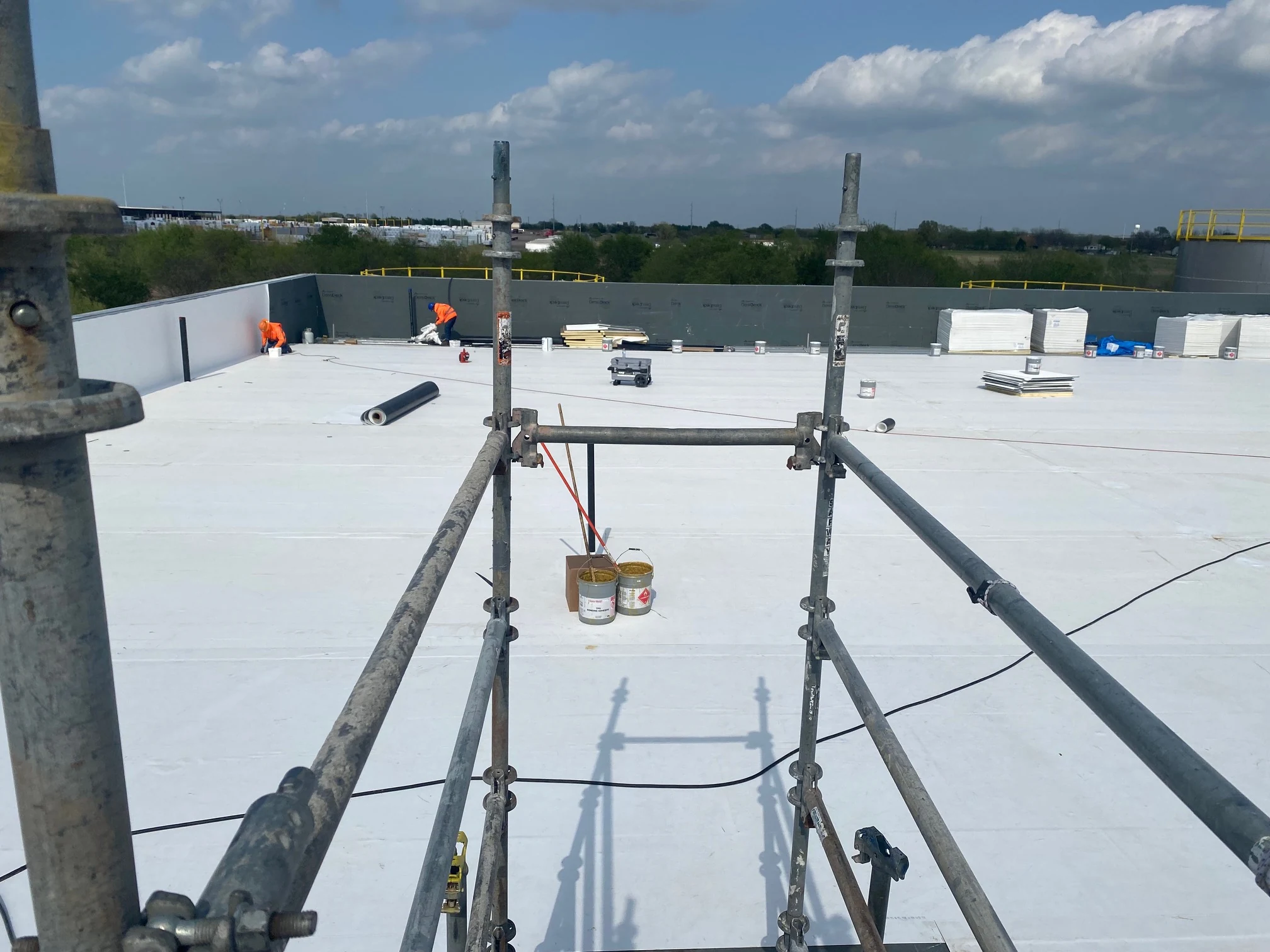
When 80 Mil TPO Is Worth the Extra Cost in Lansing
View project -
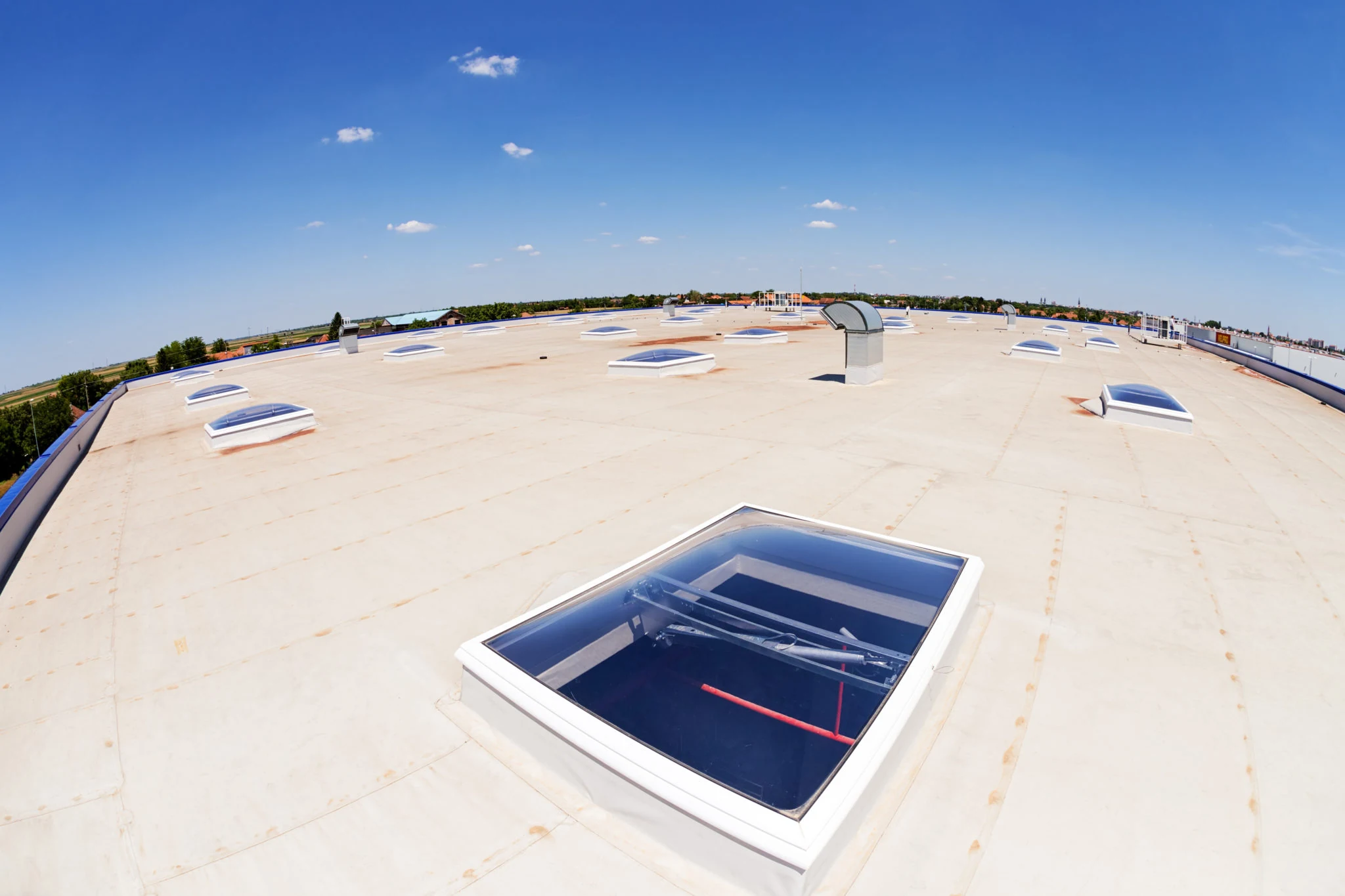
Black EPDM on Older Lansing Roofs: What Still Works and What Doesn't
View project -
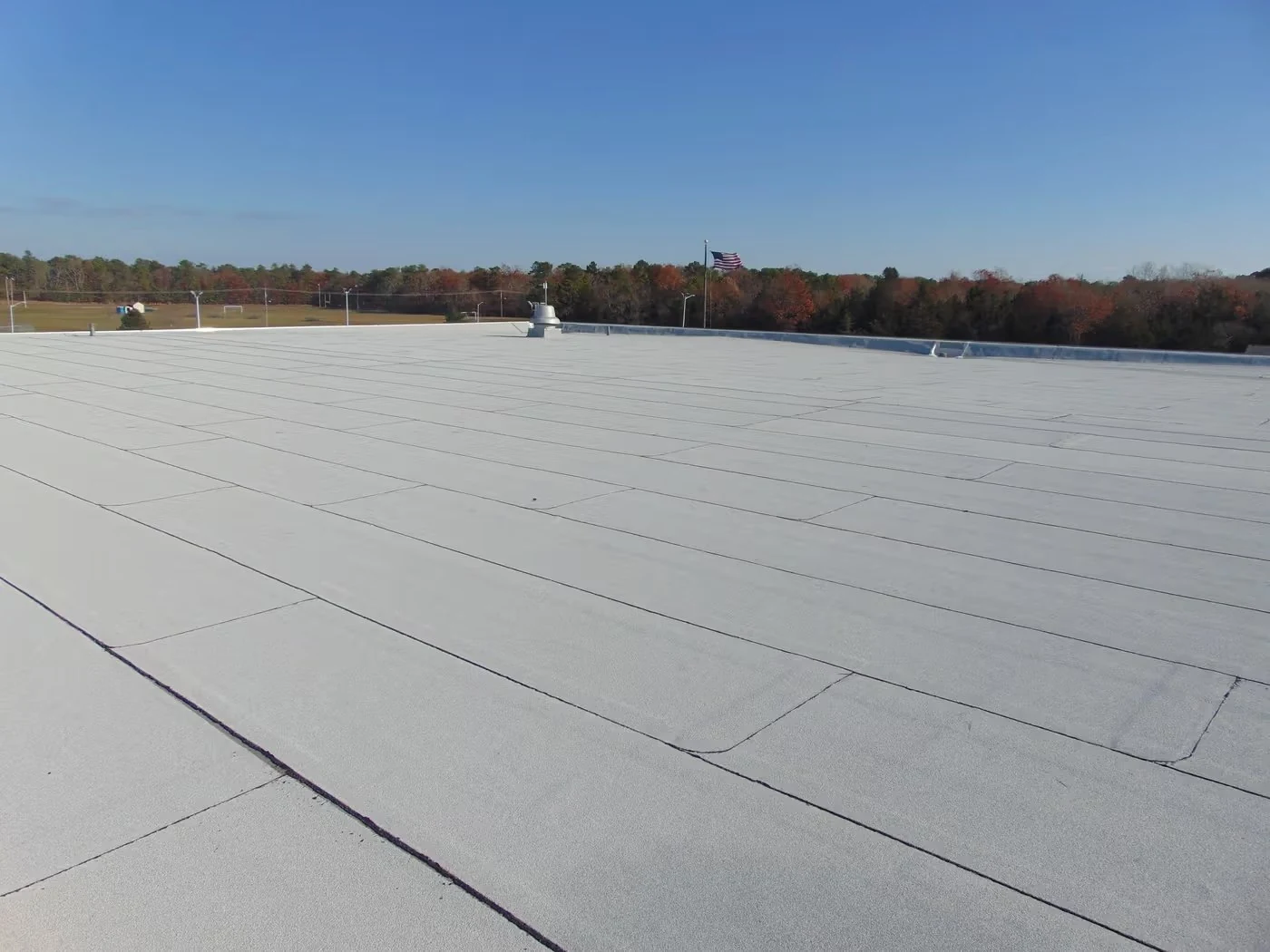
Modified Bitumen SBS: Multi-Ply Redundancy for Older Lansing Roofs
View project -
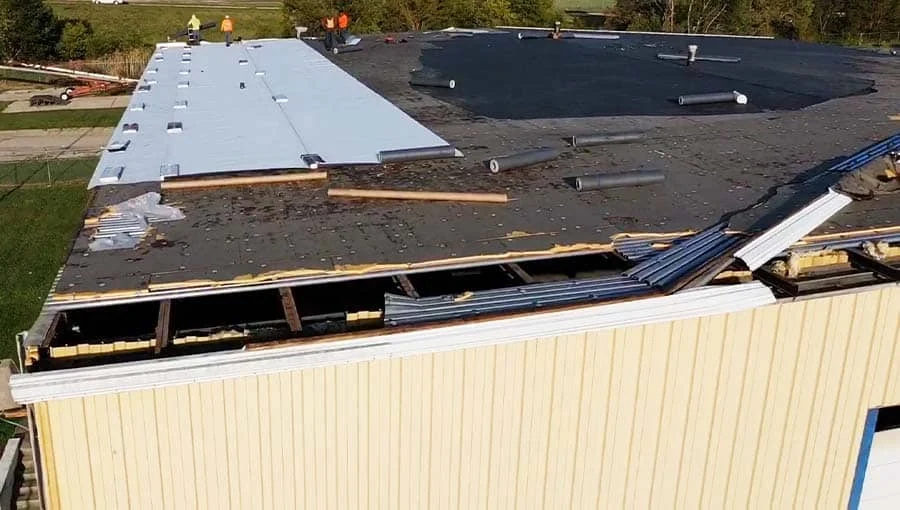
PVC Roofing for Grease, Chemical, and Cold Exposure in Lansing
View project -
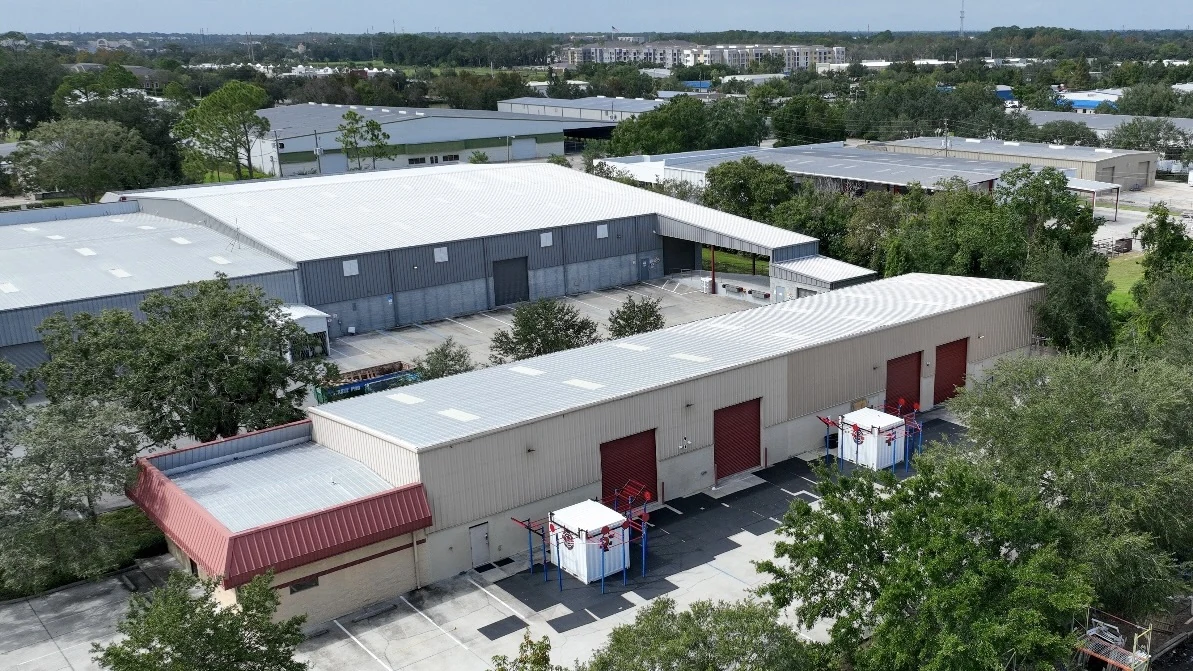
What a Roof Inspection Should Actually Tell a Lansing Owner
View project