
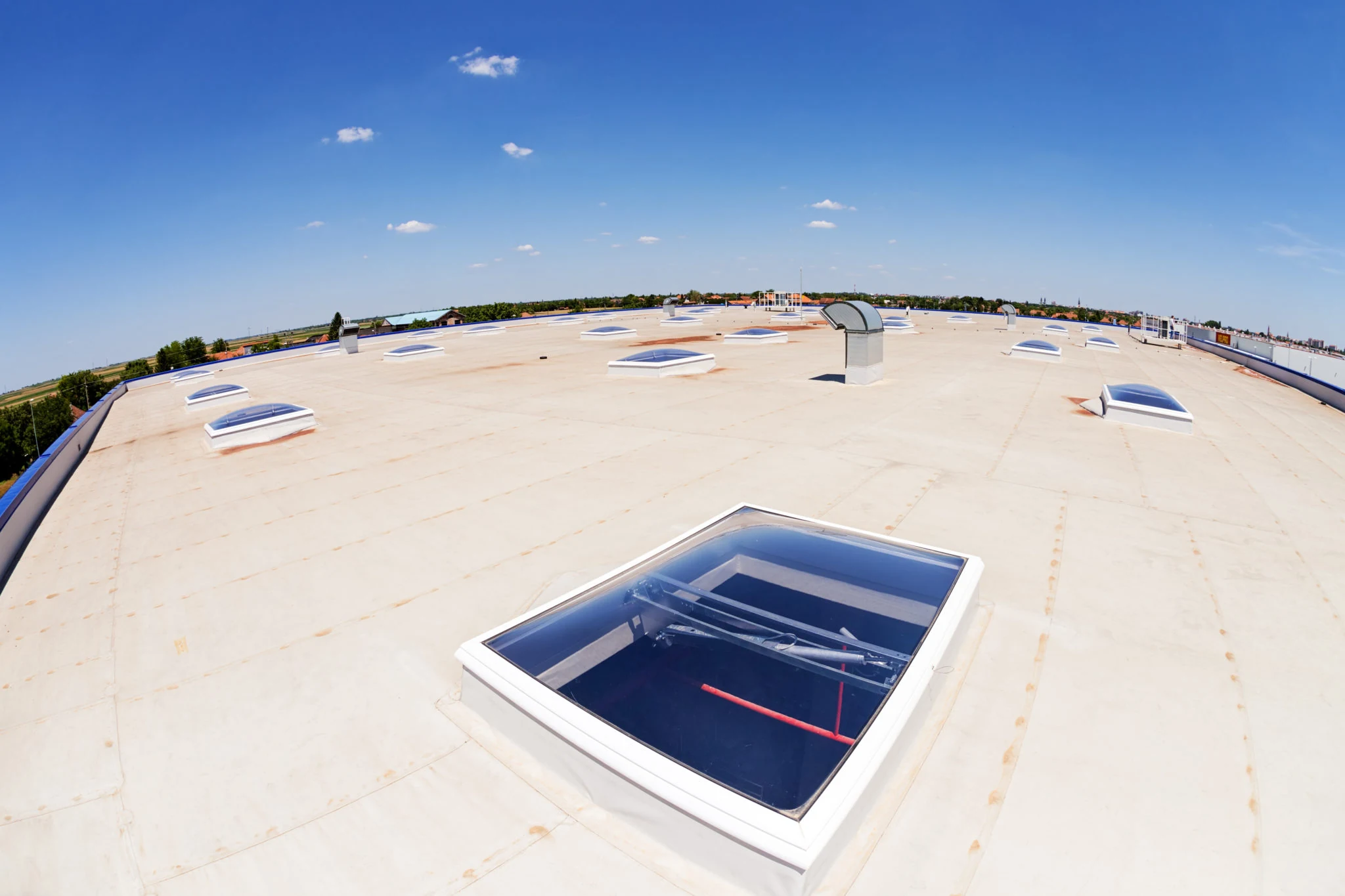
EPDM Black Roof Systems in Lansing, MI
Lansing, Michigan
Black EPDM on Older Lansing Roofs: What Still Works and What Doesn't
A lot of the commercial roof stock we inspect around Lansing is already black EPDM, installed anywhere from eight to twenty-five years ago on buildings built when EPDM was the default membrane for flat and low-slope roofs. Deciding whether to repair, recover, or replace one of these roofs means understanding what the material actually does after two decades of Michigan freeze-thaw, rather than what it looked like on install day.
Why So Many Buildings Around Lansing Still Have It
Black EPDM was the standard single-ply choice for decades on schools, small manufacturing buildings, and retail strips, and that history shows up clearly on the plant-era buildings around Grand Ledge and Charlotte and on older commercial stock in Eaton Rapids, a mill town where a lot of roofs were installed in one wave and are now aging out together. When we walk these roofs, the question isn't whether EPDM was a reasonable choice, it's how much life the current membrane has left.
Fully-adhered EPDM and mechanically-attached EPDM age differently. Fully-adhered systems tend to hold their shape better over time because the membrane is bonded to the substrate across its whole surface, while mechanically-attached systems rely on plates and fasteners that can loosen as the deck and insulation shift through repeated freeze-thaw seasons.
Thermal Cycling and Shrinkage
EPDM shrinks as it ages, and Michigan's temperature swings accelerate that process compared to a milder climate. Shrinkage shows up first at the perimeter, where the membrane pulls away from parapet walls or curb flashings, and at seams, where the original adhesive or tape starts to lose grip. We check both areas closely on every inspection because shrinkage is progressive; a roof that's pulling slightly this year will pull further next year unless it's addressed.
On mechanically-attached roofs specifically, shrinkage puts direct tension on the fastening plates. That tension is highest at inside and outside corners, which is why those corners are where we find the earliest signs of membrane stress on older EPDM roofs.
Seam Tape and Cold-Weather Repair Limits
Repairing an EPDM seam in cold weather has real limits. Seam tape and primer both need workable temperatures to cure properly, and a repair rushed into a cold snap can look fine on the day it's done and fail again within a season. When an owner needs an emergency repair in December or January, we treat it as a temporary measure and plan a proper seam repair for the next window when conditions actually support a lasting bond.
This matters most on roofs that get emergency calls repeatedly at the same seam. If we're back at the same spot every winter, the honest conversation isn't about a better tape, it's about whether that section of membrane has reached the point where patching no longer makes financial sense.
Deciding Between Repair, Recover, and Replacement
Age alone doesn't answer this question. We look at how much of the membrane still has elasticity, whether seams are failing in isolated spots or across the whole roof, and what the insulation and deck look like underneath. A fifteen-year-old EPDM roof with a few isolated seam issues and dry insulation is a different conversation than a roof with widespread shrinkage and wet insulation, even if both roofs are the same age.
- Membrane pulled back several inches from parapet walls or curbs
- Seam tape visibly lifting or cracked along multiple runs
- Ponding water sitting for more than two days after rain
- Fastener plate outlines visible or quilting through the membrane surface
- Brittle or chalky surface that cracks when flexed
- Repeated leaks at the same location after each freeze-thaw cycle
When two or more of these show up on the same roof, we tell owners the membrane is past the point where isolated repairs make sense, and we start pricing recover or replacement instead of another round of patching.
What Replacement Looks Like on Plant-Era Buildings
Older manufacturing and school buildings often have deck conditions that weren't documented well, if at all, when the original roof went on. Before we quote a black EPDM replacement on one of these buildings, we want a real look at deck fastening and insulation condition, ahead of the membrane on top. That matters more on buildings from the plant-era construction wave than on a newer retail box, because the substrate underneath has more decades of freeze-thaw behind it.
We'd rather find deck problems during the inspection phase, when they can still be priced and planned for, than discover them mid-tear-off when the schedule and budget have already been locked in.
Common Questions About Aging Black EPDM Roofs
How long does black EPDM typically last in this climate?
Well-installed EPDM commonly reaches twenty years or more, but the range is wide depending on attachment method, insulation condition, and how consistently the roof was maintained. We'd rather inspect the specific roof than quote a generic number.
Is a black membrane a problem for energy costs compared to white EPDM?
Black EPDM absorbs more heat in summer than a white or reflective membrane, which matters more for cooling load than for the roof's structural performance. We'll walk through that tradeoff if energy cost is a factor in the decision.
Can a recover go over an old EPDM roof instead of a full tear-off?
Sometimes, if the existing roof is dry and the deck is sound. We won't recommend it over wet insulation, since trapped moisture undermines a recover from underneath regardless of what goes on top.
Why does the same seam keep leaking every winter?
Usually because a prior repair was done in weather too cold for the tape or adhesive to cure fully, or because shrinkage is ongoing and pulling the seam open again each cycle. We address the underlying movement, ahead of the visible gap.
Should we replace the whole roof or just the failing sections?
Depends on how isolated the failure is. If it's contained to one area with a sound roof otherwise, a section replacement can make sense. If shrinkage and seam issues are showing up broadly, patching section by section usually costs more over time than a full replacement.
Ready to review the roof scope?
Related Roof Systems
-
TPO 60 Mil: The Baseline Spec for Most Lansing Reroofs
View project -
When 80 Mil TPO Is Worth the Extra Cost in Lansing
View project -
White EPDM Ballasted and Adhered Systems for Lansing Roofs
View project -
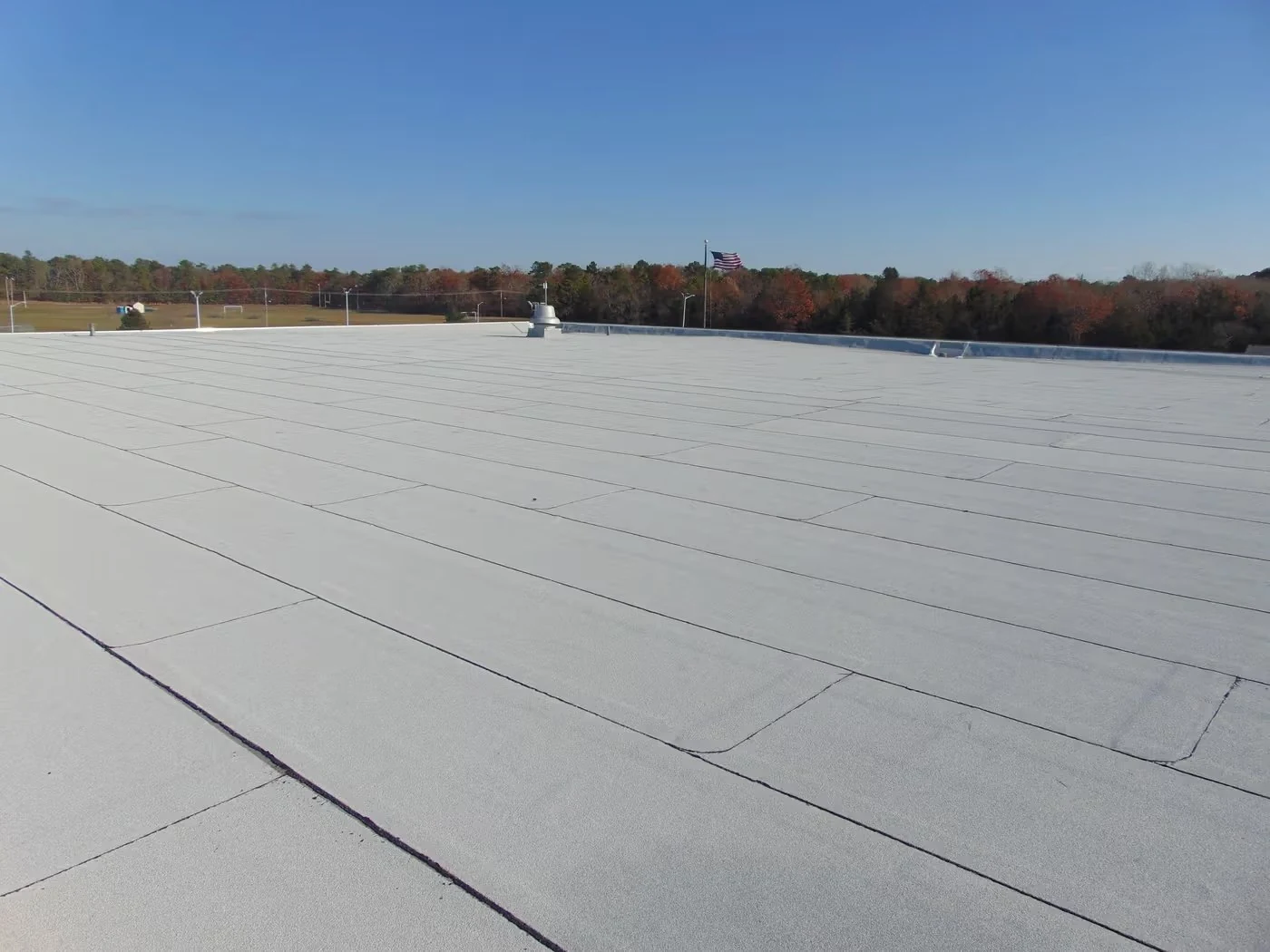
Modified Bitumen SBS: Multi-Ply Redundancy for Older Lansing Roofs
View project -
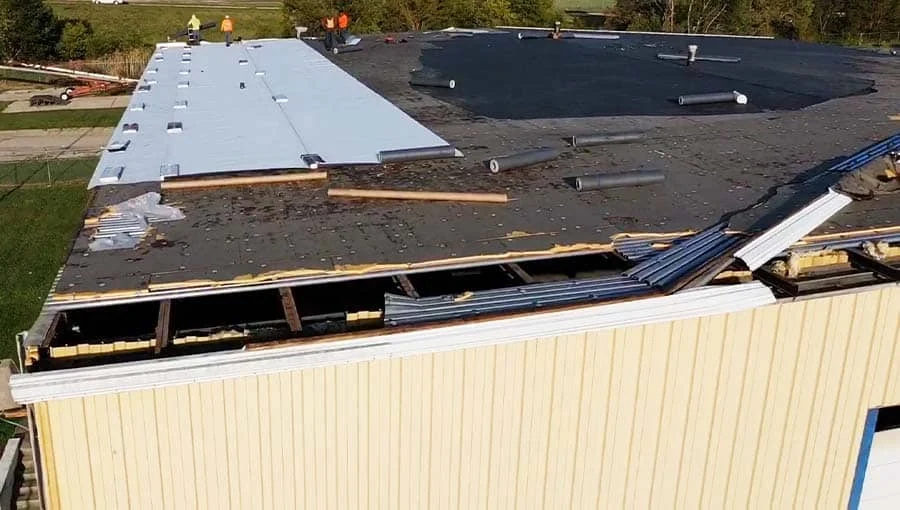
PVC Roofing for Grease, Chemical, and Cold Exposure in Lansing
View project -
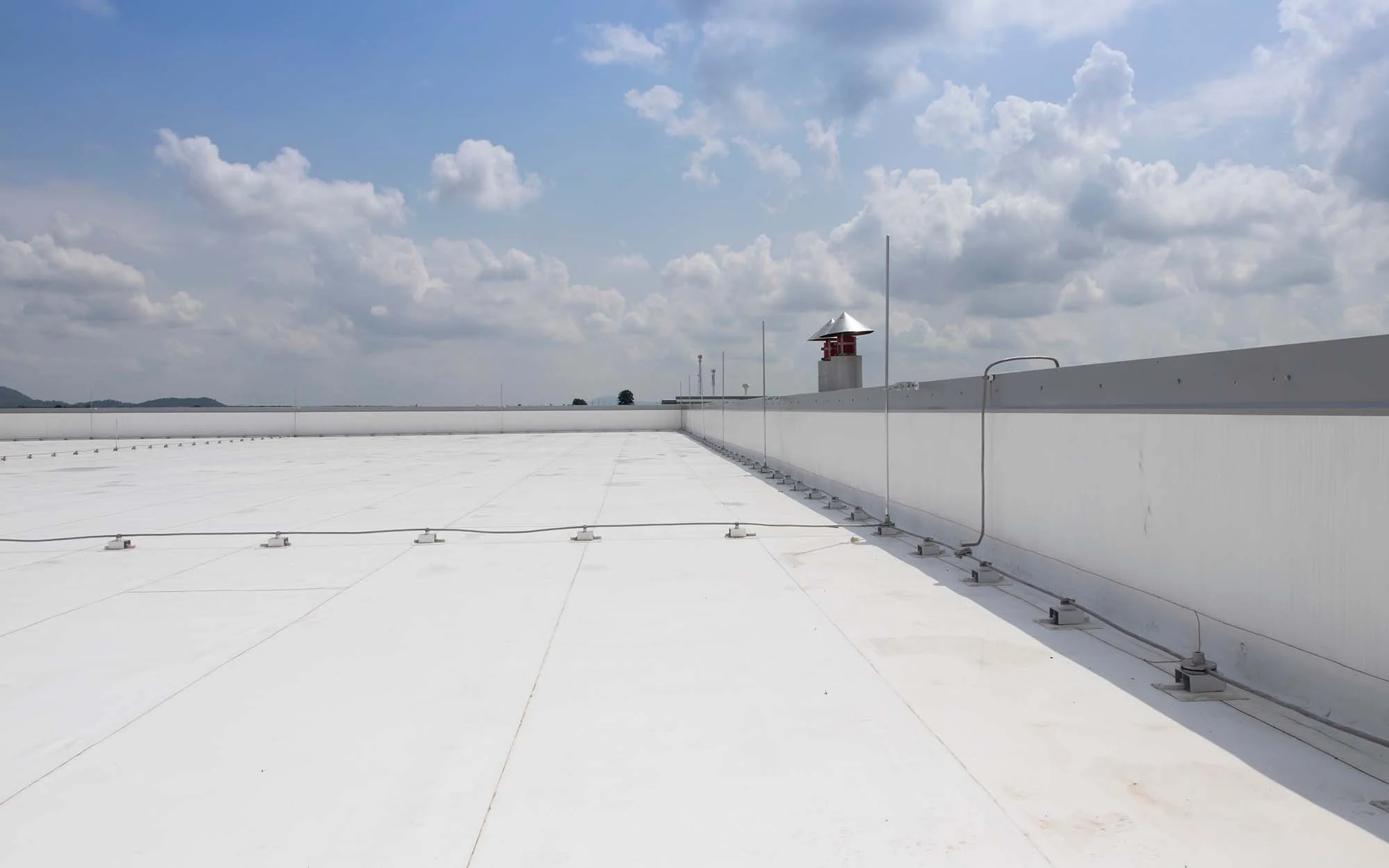
PVC Roofing Where Exposure, Not Price, Should Drive the Decision
View project