
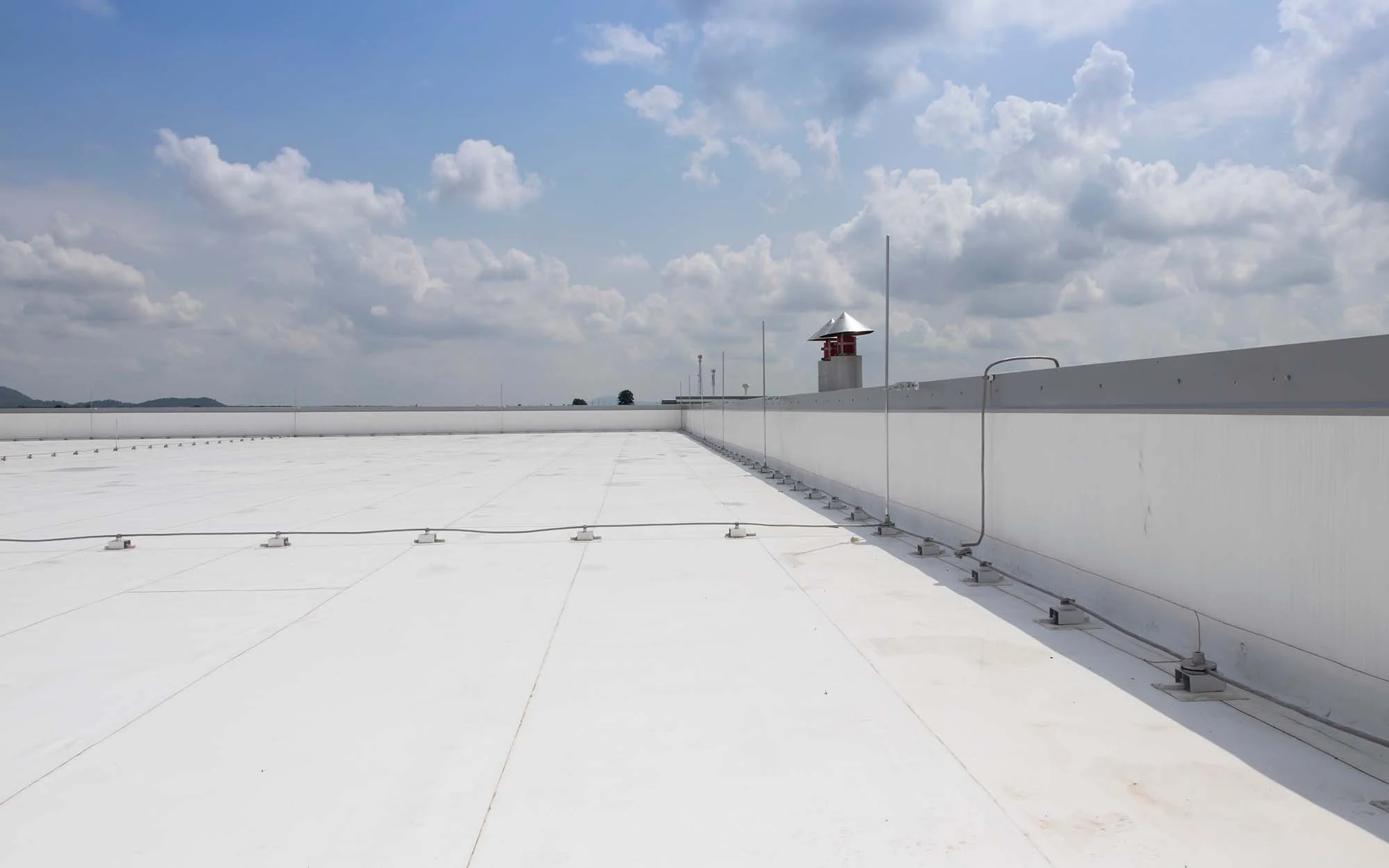
PVC Roofing in Lansing, MI
Lansing, Michigan
PVC Roofing Where Exposure, Not Price, Should Drive the Decision
Most flat roofs in this market don't need the chemical resistance PVC offers, and we say so when asked. But a specific slice of Lansing-area buildings sit under rooftop exhaust, grease, or solvent exposure where the wrong membrane choice fails fast, and those are the roofs where PVC earns its higher price tag.
Buildings Where Exposure Actually Matters
Michigan State's dining halls and food-service buildings vent kitchen exhaust directly onto or near the roof surface, and grease-laden air degrades standard TPO and EPDM membranes over time in a way PVC resists far better. The dairy processing operation in St. Johns and similar food-and-agribusiness facilities in the region put off comparable exposure. On the industrial side, sections of the GM assembly plants with paint-shop or solvent-adjacent exhaust runs present the same problem - the membrane is being chemically attacked from above, which is a different problem than ordinary weathering.
That distinction matters because a membrane under chemical attack degrades on a schedule that has nothing to do with its rated service life.
Outside those categories, most office, retail, and light-industrial roofs in the tri-county area don't need PVC's exposure resistance and can be served just as well, and more affordably, by TPO or EPDM.
We ask about exposure history up front rather than assuming based on building type alone. A retail building that was later converted to include a restaurant tenant, for example, may have picked up kitchen exhaust exposure that wasn't part of the original roof design, and that's exactly the kind of change that should trigger a membrane review before the next re-roof.
Why Choosing the Wrong Membrane Here Fails Fast
A standard TPO membrane installed under a grease-laden kitchen exhaust stream can show visible surface degradation within a few years - well short of the service life an owner budgeted for. That's not a workmanship failure; it's a spec failure, and it's an expensive one, because by the time the degradation is visible the membrane usually needs replacement, not patching.
We ask directly about rooftop exhaust sources - kitchen hoods, paint booths, solvent vents, dust collection - before recommending a membrane on any new construction or re-roof quote, because that single question changes the right answer more than almost anything else about the building.
Skipping that question is how an owner ends up paying twice: once for a standard membrane that fails early, and again for the PVC replacement that should have gone in the first time. We'd rather have the exposure conversation before a bid goes out than after a roof is already showing degradation.
What Makes PVC Handle Exposure Better
- Chemically resistant to greases, oils, and many industrial solvents that degrade other membranes
- Heat-welded seams that hold up under repeated thermal cycling near exhaust sources
- Available in thicker gauges for high-traffic mechanical areas near kitchen or plant exhaust
- Strong performance under ponding water combined with chemical exposure
- Reflective surface that helps offset added rooftop heat load from exhaust equipment
None of that matters much on a typical office roof. It matters a great deal on a roof sitting under active kitchen or industrial exhaust every day of the year.
We specify PVC gauge and seam detail based on the actual exposure level measured on site, not a blanket default, since a light grease exposure and a heavy solvent exposure call for meaningfully different specs even though both point toward the same base membrane type.
Installation Considerations on Campus and Plant Roofs
PVC installation on occupied campus buildings around East Lansing usually has to work around the academic calendar and dining hall operating hours, since kitchen exhaust and rooftop access can't simply be shut down mid-semester. On plant roofs, we coordinate around production schedules and often phase work by roof section so exhaust systems stay operational. Both situations require more scheduling coordination than a typical office re-roof, and we plan for that up front rather than discovering it mid-project.
We also coordinate directly with a building's mechanical contractor when the exhaust system itself needs adjustment during the roofing work, since kitchen and plant exhaust ductwork often runs through the same roof penetrations we're detailing. Getting that sequencing wrong means either the exhaust system or the new membrane ends up compromised, and neither is an acceptable outcome on an occupied building.
Timing matters just as much on plant roofs tied to production schedules. A membrane crew working near an active paint-shop exhaust run has to coordinate around production shutdown windows rather than a standard construction calendar, and that coordination usually has to be worked out weeks ahead of the actual roof date, not adjusted on the fly once crews are already mobilized.
Questions About PVC Roofing in This Market
Do I need PVC if my building doesn't have kitchen or industrial exhaust?
Probably not. For most office, retail, and standard warehouse roofs in the Lansing area, TPO or EPDM performs well at a lower material cost. We'll tell you if your building doesn't need the added expense.
Can PVC be installed over an existing membrane?
In some cases, depending on the condition of the existing roof and applicable code limits on re-cover layers. We assess the existing assembly before recommending a re-cover versus a tear-off.
Is PVC more expensive than TPO?
Generally yes, on a material basis. The added cost is worth it specifically where chemical or grease exposure would shorten the life of a standard membrane - not as a blanket upgrade.
How do you handle roofing work over an active commercial kitchen?
We coordinate scheduling around kitchen operating hours and, where needed, phase the work so exhaust systems stay functional throughout the project.
Does PVC hold up to Michigan winters as well as summer heat?
Yes - PVC performs well across the full seasonal range we see here, from hard winter freezes to summer heat near rooftop exhaust equipment.
Ready to review the roof scope?
Related Commercial Roofing Services
-
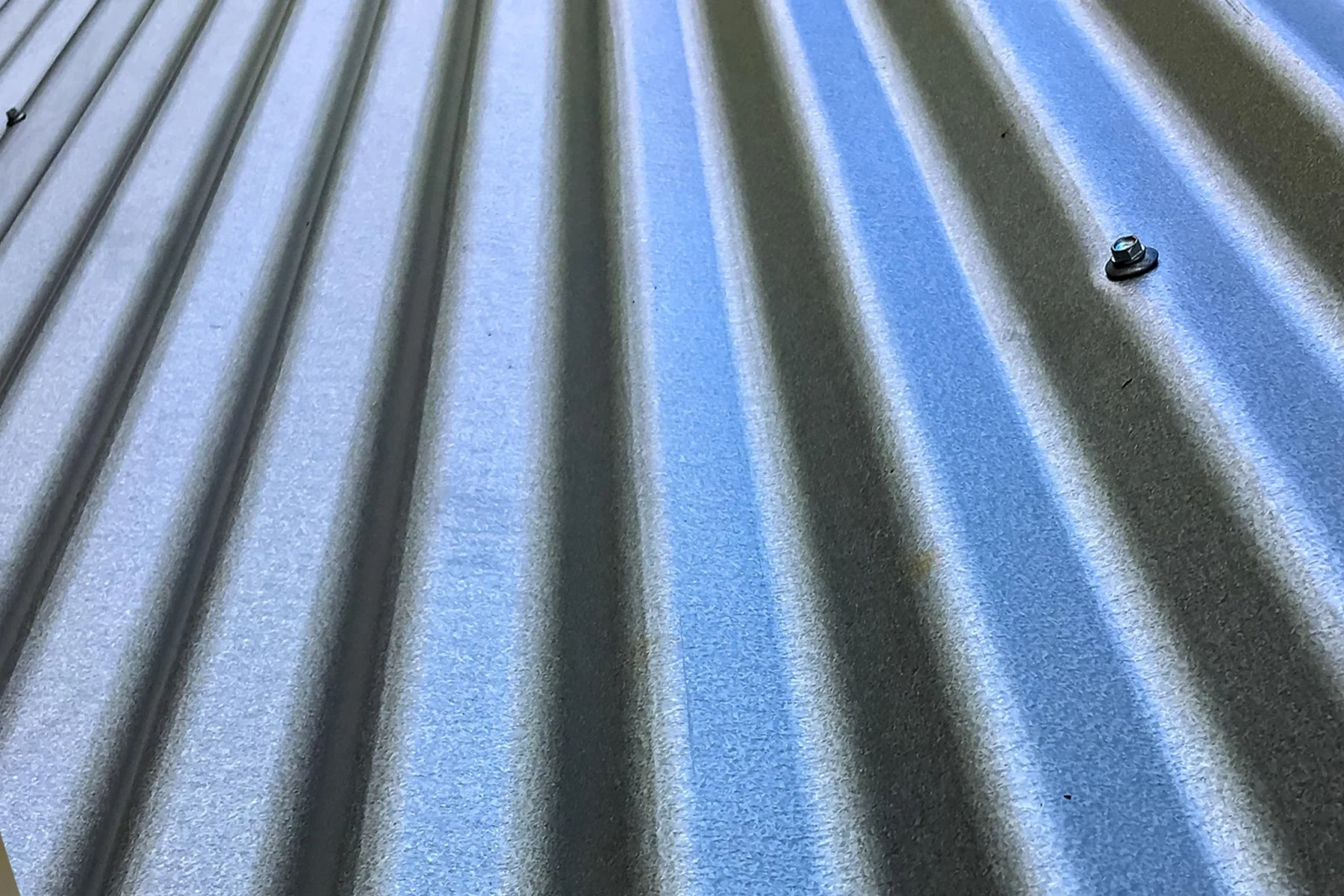
R-Panel Metal for Warehouses and Light Manufacturing
View project -
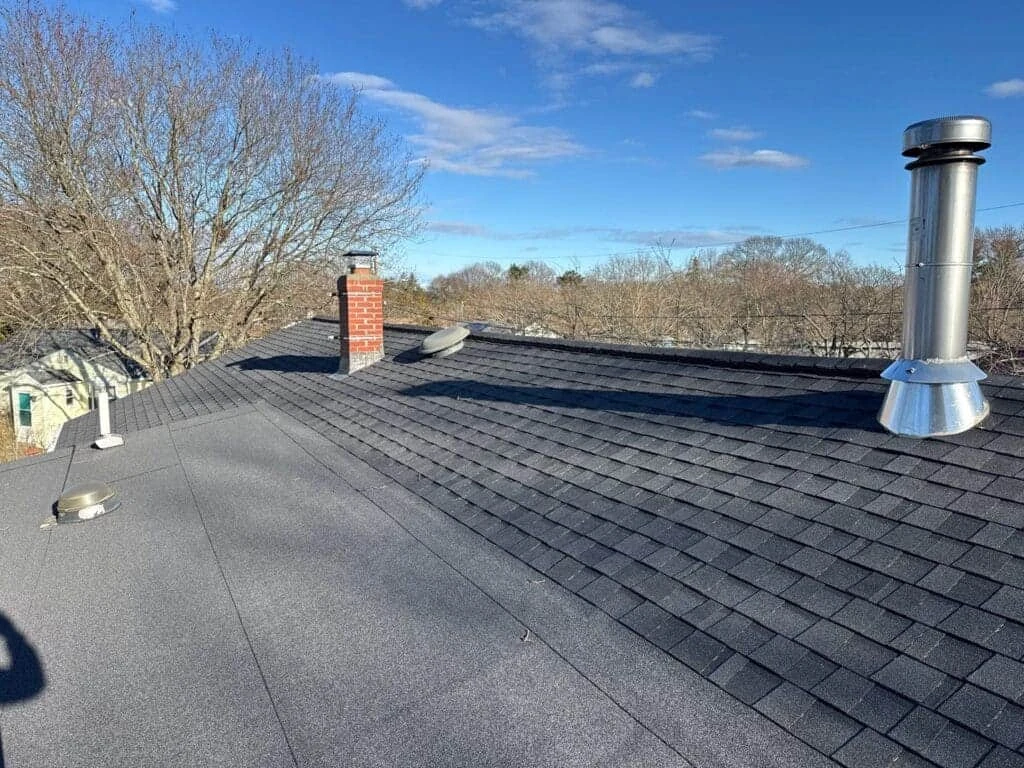
Modified Bitumen on Older State and Campus Buildings
View project -
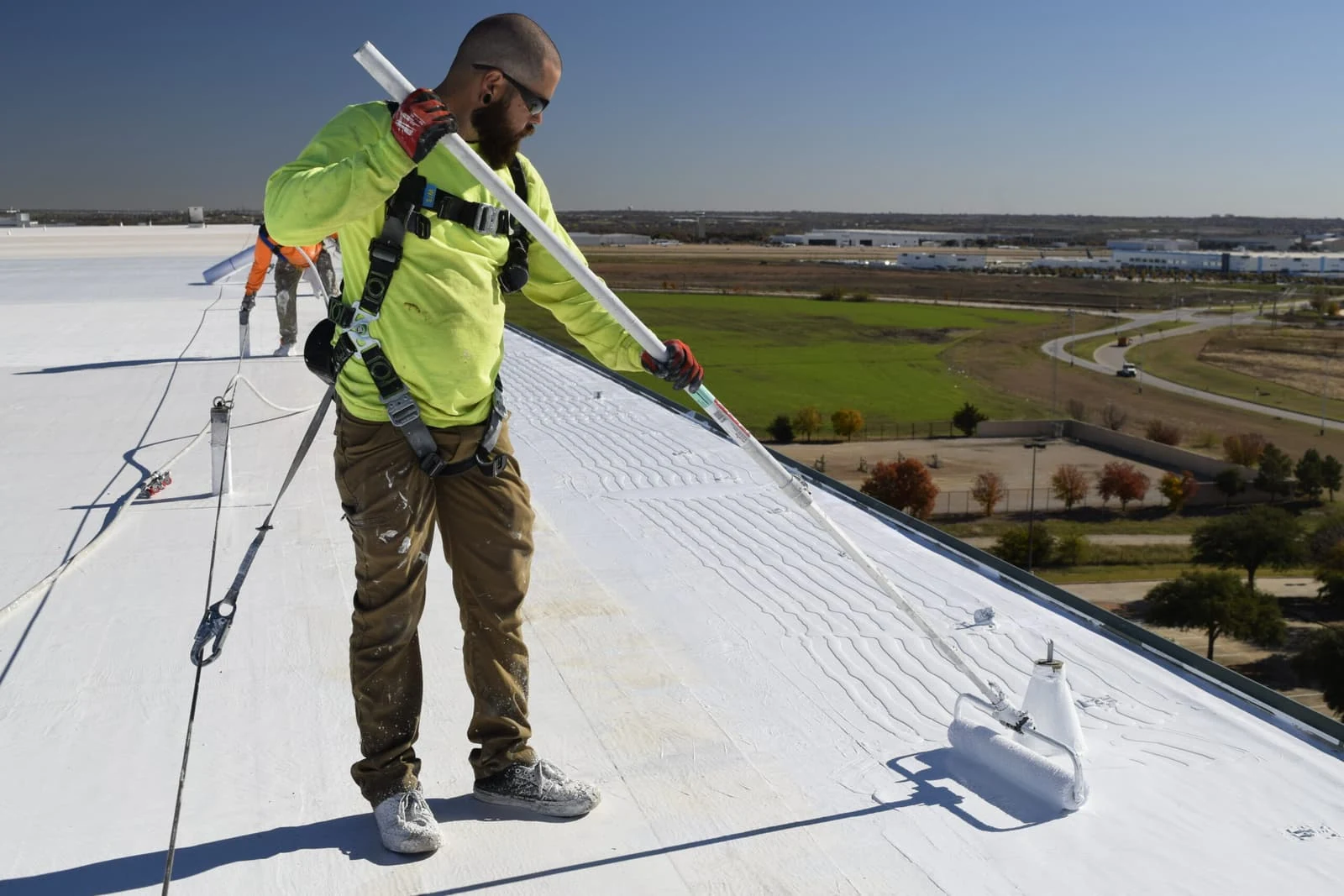
A Maintenance Schedule That Matches Lansing's Freeze and Storm Calendar
View project -
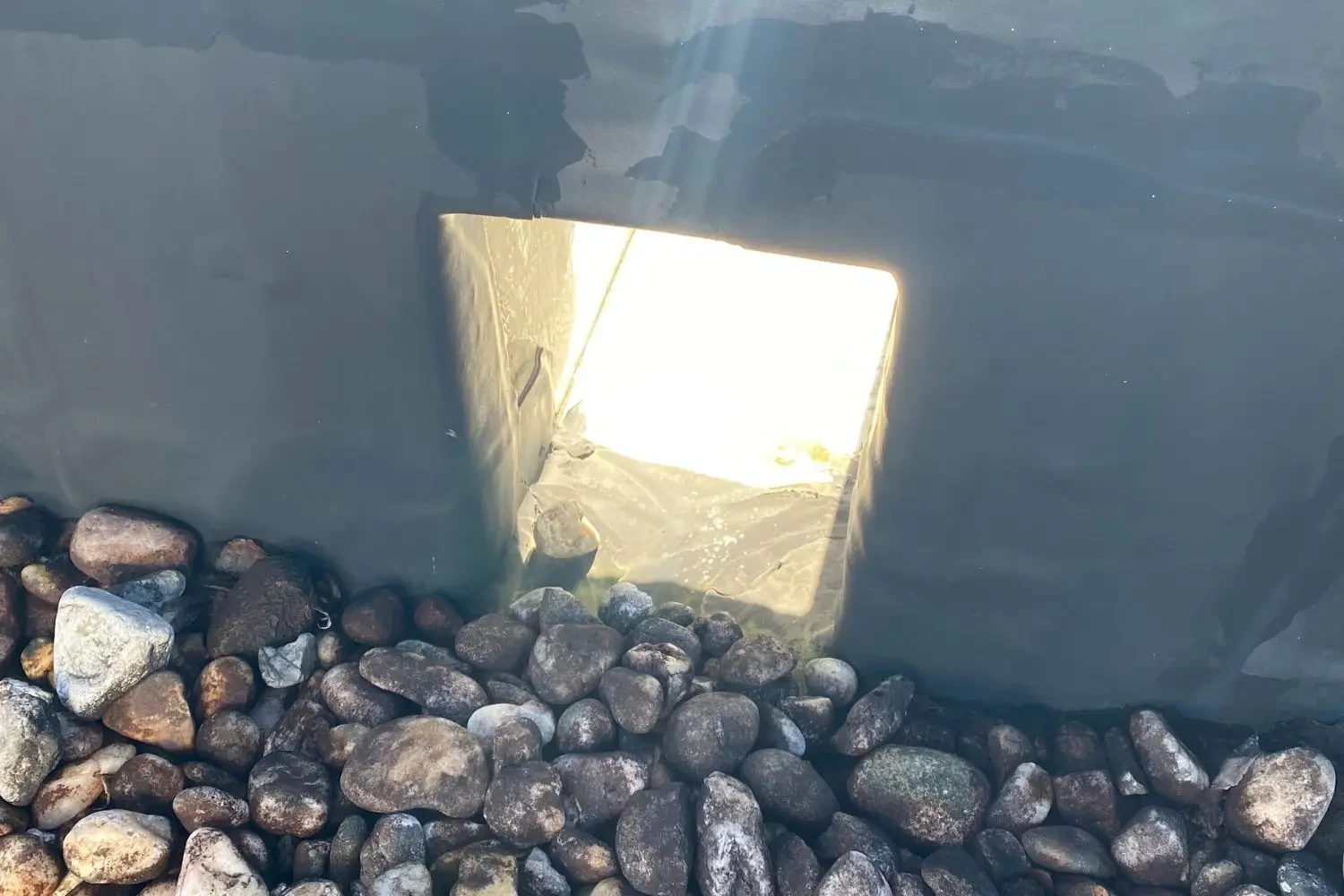
Keeping Drains and Scuppers Working Through a Lansing Winter
View project -
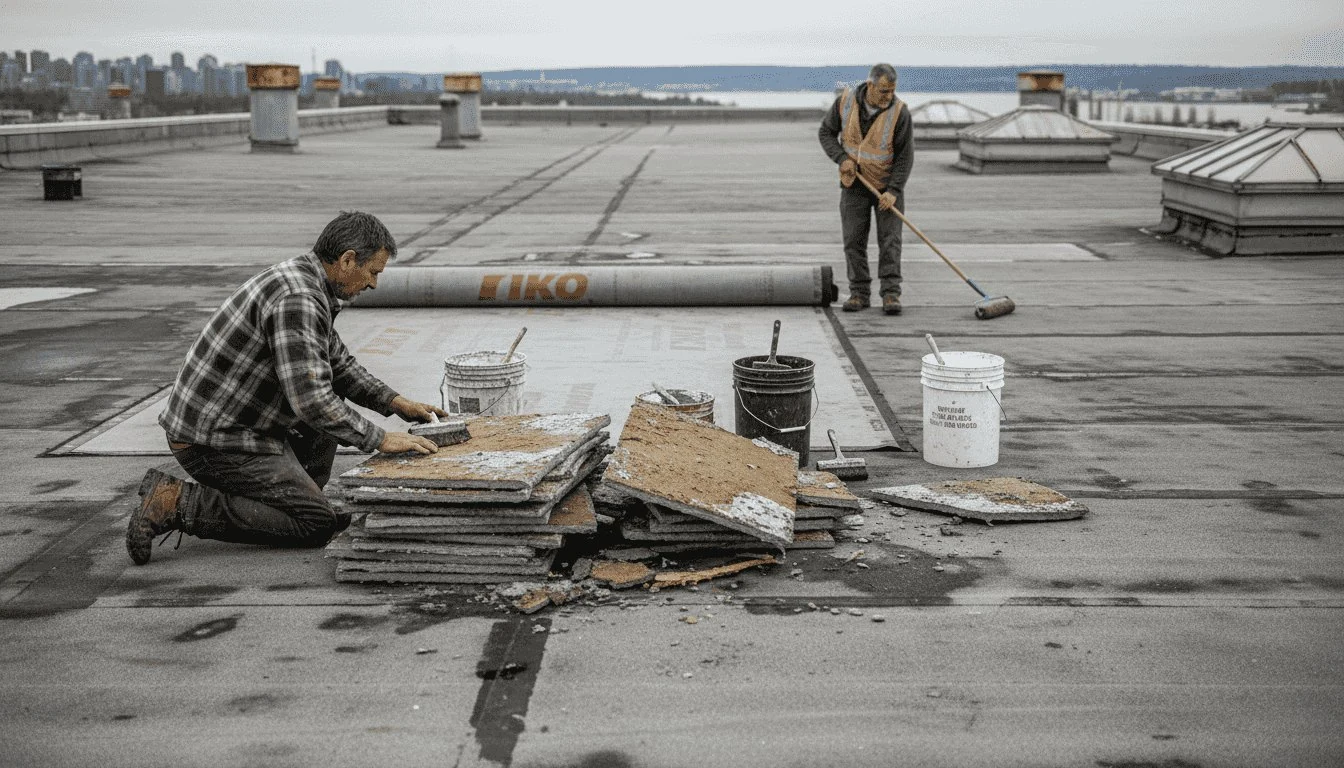
What a Roof Recover Can Hide - and When It Shouldn't
View project -
Mason Roofs Range From the Ingham County Courthouse to Dart Container's Production Floors
View project