
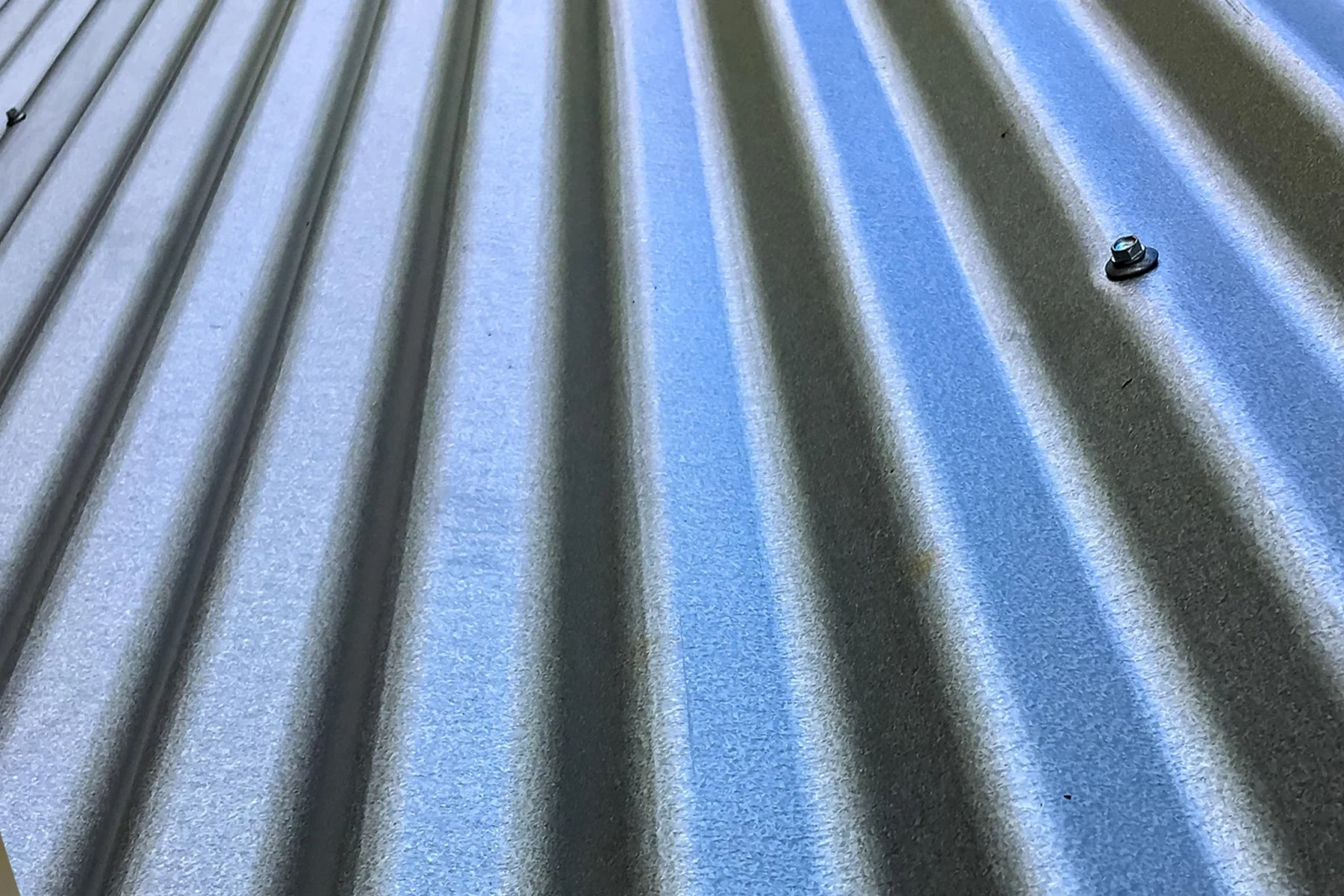
Metal R-Panel Roofing in Lansing, MI
Lansing, Michigan
R-Panel Metal for Warehouses and Light Manufacturing
R-panel is the exposed-fastener metal system we see most often on straightforward warehouse and light-manufacturing buildings around Mason, Charlotte, Grand Ledge, and the smaller industrial pockets along I-96 and I-69. It's a legitimate, cost-effective choice for the right building. The tradeoff owners should understand going in is maintenance, not installation quality.
Why R-Panel Gets Chosen
R-panel costs meaningfully less to install than standing seam, largely because the panels fasten directly through the surface into the structure rather than relying on a concealed clip system. For a simple warehouse or ag-adjacent industrial building with a straightforward roof plane and a modest budget, that installed cost difference is real money, and R-panel performs perfectly well for buildings in that category.
We spec it regularly on light-industrial buildings around Mason and Charlotte, and on some of the smaller distribution and storage buildings out toward Webberville and Fowlerville along I-96, where the roof is functional rather than architectural and the owner's priority is keeping the building dry at a reasonable price.
We also see it on ag-adjacent buildings around Perry, Webberville, and Stockbridge, where the roof covers equipment storage or light processing space rather than finished office area, and the owner's main concern is straightforward weather protection rather than appearance or long-term hands-off maintenance.
The Fastener Maintenance Tradeoff Owners Need to Know
Every exposed fastener on an R-panel roof is a potential leak point, and every one of them needs periodic attention. The neoprene washers under each fastener degrade with UV exposure and temperature cycling over time, and once they harden and crack, water finds its way in at that specific point rather than across a broad membrane failure. This isn't a defect - it's how the system is designed - but it does mean R-panel roofs need a maintenance rhythm that standing seam roofs largely avoid.
We tell owners this directly before they choose R-panel over standing seam: the lower installed cost comes with an ongoing maintenance obligation that has to be budgeted for, not skipped, if the roof is going to perform for its full expected life.
We put this in writing as part of the proposal itself, with a suggested inspection interval, rather than leaving it as a verbal aside during the sales conversation. An owner who signs off on R-panel should know exactly what the maintenance commitment looks like before the roof goes up, not five years later when the first fastener starts backing out.
What Freeze-Thaw Does to Exposed Fasteners
Michigan's freeze-thaw cycling is particularly hard on exposed fastener systems. As the metal panel and the fastener expand and contract at different rates through repeated temperature swings, the fastener hole can enlarge slightly over years, and a washer that's already stiffened with age loses its ability to seal that slightly larger hole. That's the mechanism behind most of the R-panel leak calls we get in late winter and early spring, right as the freeze-thaw cycle has been running hardest.
We see this pattern reliably on older R-panel buildings around Grand Ledge and the smaller industrial parks along I-69, where roofs installed fifteen to twenty years ago are now at the point where washer degradation shows up across the whole field at once rather than at isolated spots. A single maintenance visit at that stage can address most of it before individual leaks start appearing one at a time.
Owners who skip that window usually end up calling us for leak repair anyway, just spread across several separate visits instead of one planned maintenance stop. The total labor cost ends up higher, and the roof spends longer with active leaks doing damage before anyone catches the pattern.
What a Proper R-Panel Maintenance Visit Covers
- Fastener and washer inspection across the full roof field, beyond the areas already showing problems
- Re-torquing or replacing fasteners that have backed out or show washer degradation
- Sealant condition at ridge caps, eave trim, and penetration flashing
- Panel lap condition at side and end seams
- Rust or coating breakdown at cut edges and fastener heads
- Gutter and downspout condition, since R-panel sheds water fast and needs functioning drainage
A five-year fastener maintenance check on an R-panel roof is inexpensive compared to what it prevents. Skipping that check is the single most common reason we see R-panel roofs fail earlier than the panel material itself would justify.
We schedule these checks proactively for owners who ask us to, rather than waiting for a leak call, since a planned maintenance visit costs a fraction of an emergency repair call and lets us catch fastener wear before it becomes an interior water problem.
Questions About R-Panel Roofing
Is R-panel a bad choice compared to standing seam?
Not at all, for the right building. It's a lower-cost system with a real ongoing maintenance obligation. Standing seam trades a higher installed cost for lower long-term maintenance. Both are legitimate choices depending on the owner's budget and how the building is used.
How often do fasteners need to be checked on an R-panel roof?
We generally recommend an inspection every few years, more often on older roofs or ones that have already shown fastener-related leaks, given how hard the freeze-thaw cycle here is on exposed fastener systems.
Can a leaking R-panel roof be repaired without full replacement?
Usually yes. Most R-panel leaks trace back to specific fastener or flashing failures rather than a failure of the panel material itself, which means targeted repair is often the right first step rather than a full tear-off.
Does R-panel handle Michigan snow load as well as standing seam?
Both systems shed snow effectively when specified correctly for the building's load requirements. The bigger practical difference between the two is long-term maintenance, not snow performance.
Ready to review the roof scope?
Related Commercial Roofing Services
-
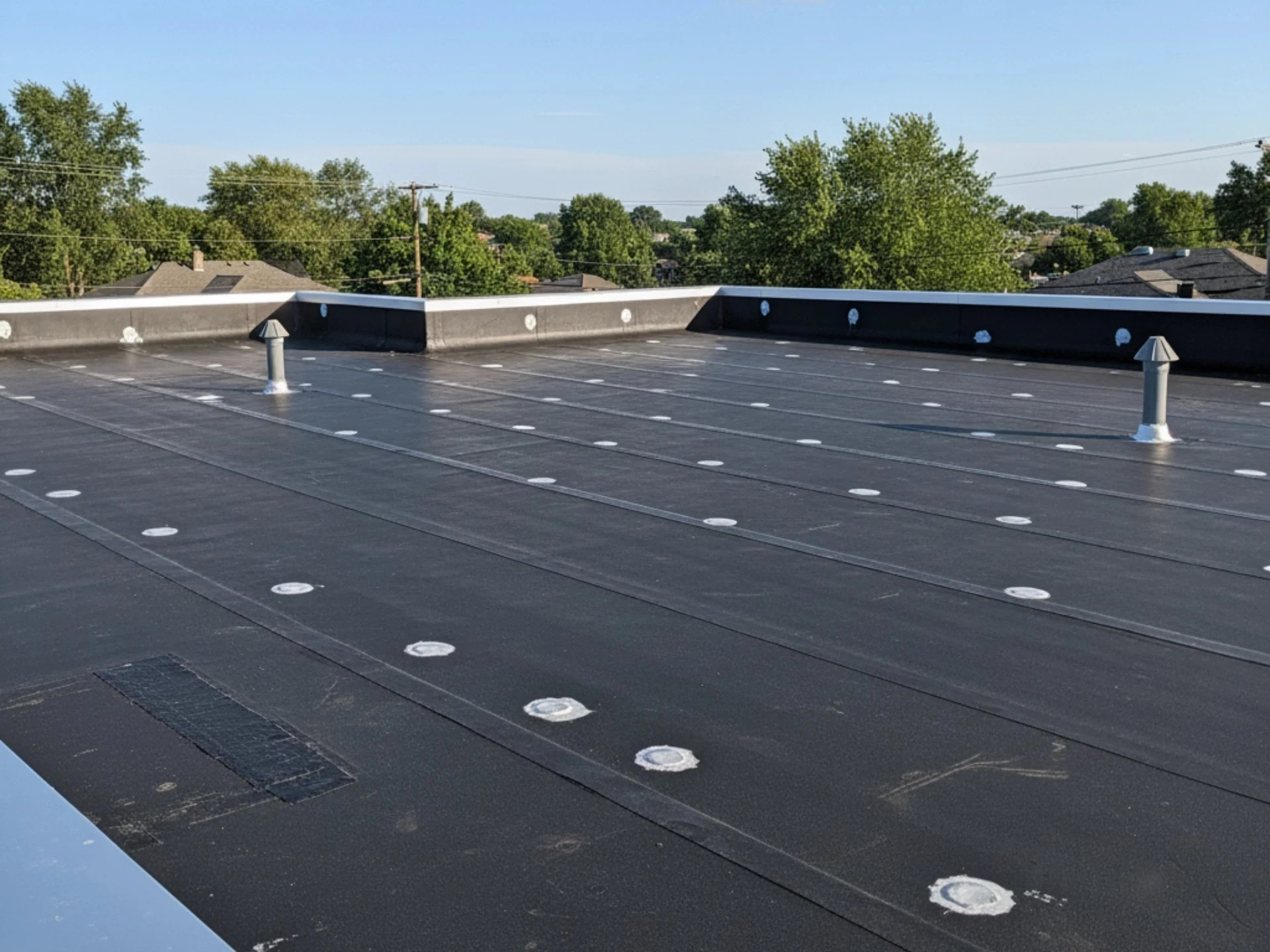
EPDM Roofs on Lansing's Older Industrial and Institutional Buildings
View project -
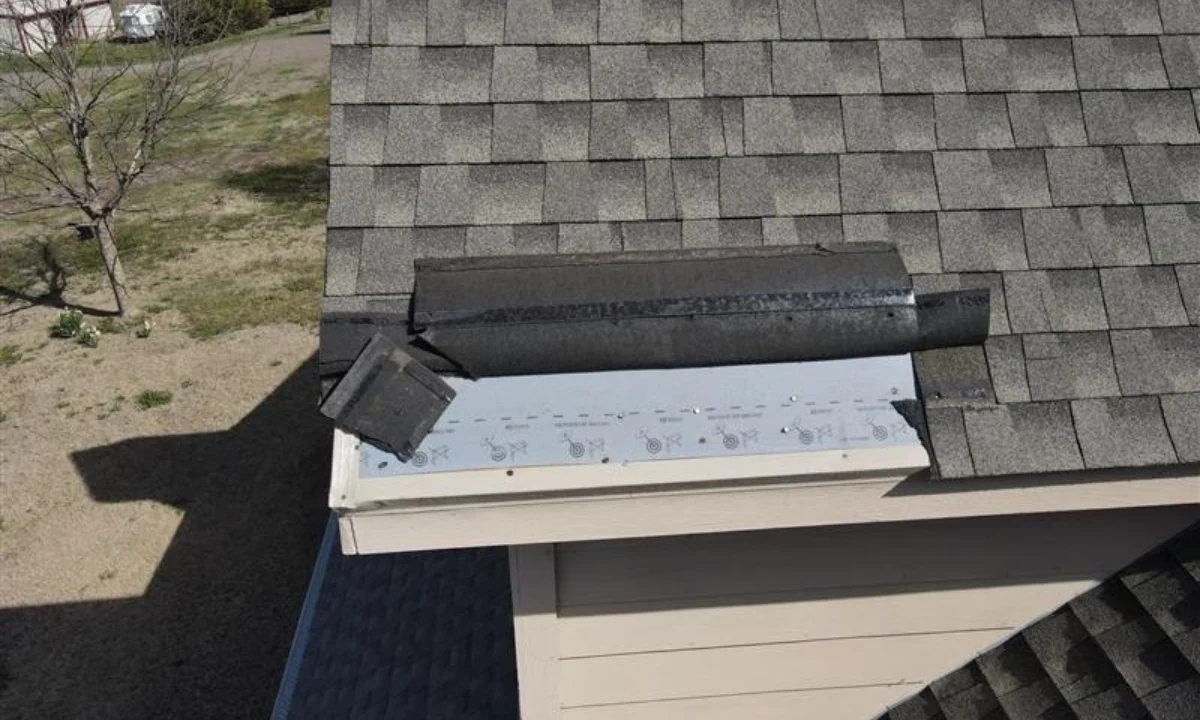
Documenting Storm Damage for a Claim, Not Promising the Outcome
View project -
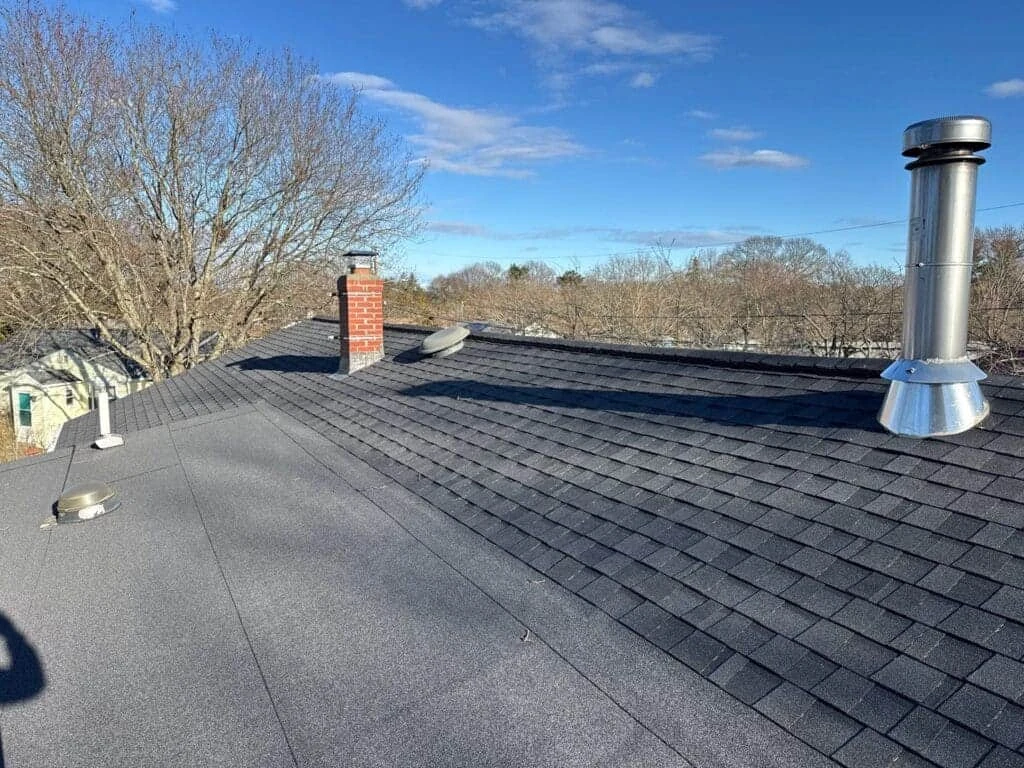
Modified Bitumen on Older State and Campus Buildings
View project -
A Maintenance Schedule That Matches Lansing's Freeze and Storm Calendar
View project -
PVC Roofing Where Exposure, Not Price, Should Drive the Decision
View project -
REO Town's Converted Brick Buildings Need a Different Roof Read Than Its New Construction
View project