
Roof Drains and Scuppers in Lansing, MI
Lansing, Michigan
Keeping Drains and Scuppers Working Through a Lansing Winter
A blocked drain does more than cause ponding. It turns a normal Michigan freeze-thaw cycle into an ice dam that backs water up under the membrane. Most of the drainage problems we get called about started weeks earlier as a routine clog that nobody cleared before the first freeze locked it in place.
Why Drainage Failure Hits Harder in a Freeze-Thaw Climate
In a warmer climate, a partially blocked drain mostly means slow-draining ponding water and the algae or debris problems that come with standing water. In mid-Michigan, that same partially blocked drain freezes solid during a cold snap, and the next thaw sends meltwater across the roof with nowhere to go, finding every marginal seam and flashing detail on its way to somewhere it can escape. That is why we treat drain clearing as the highest-priority item on any pre-winter maintenance visit, beyond a routine housekeeping task.
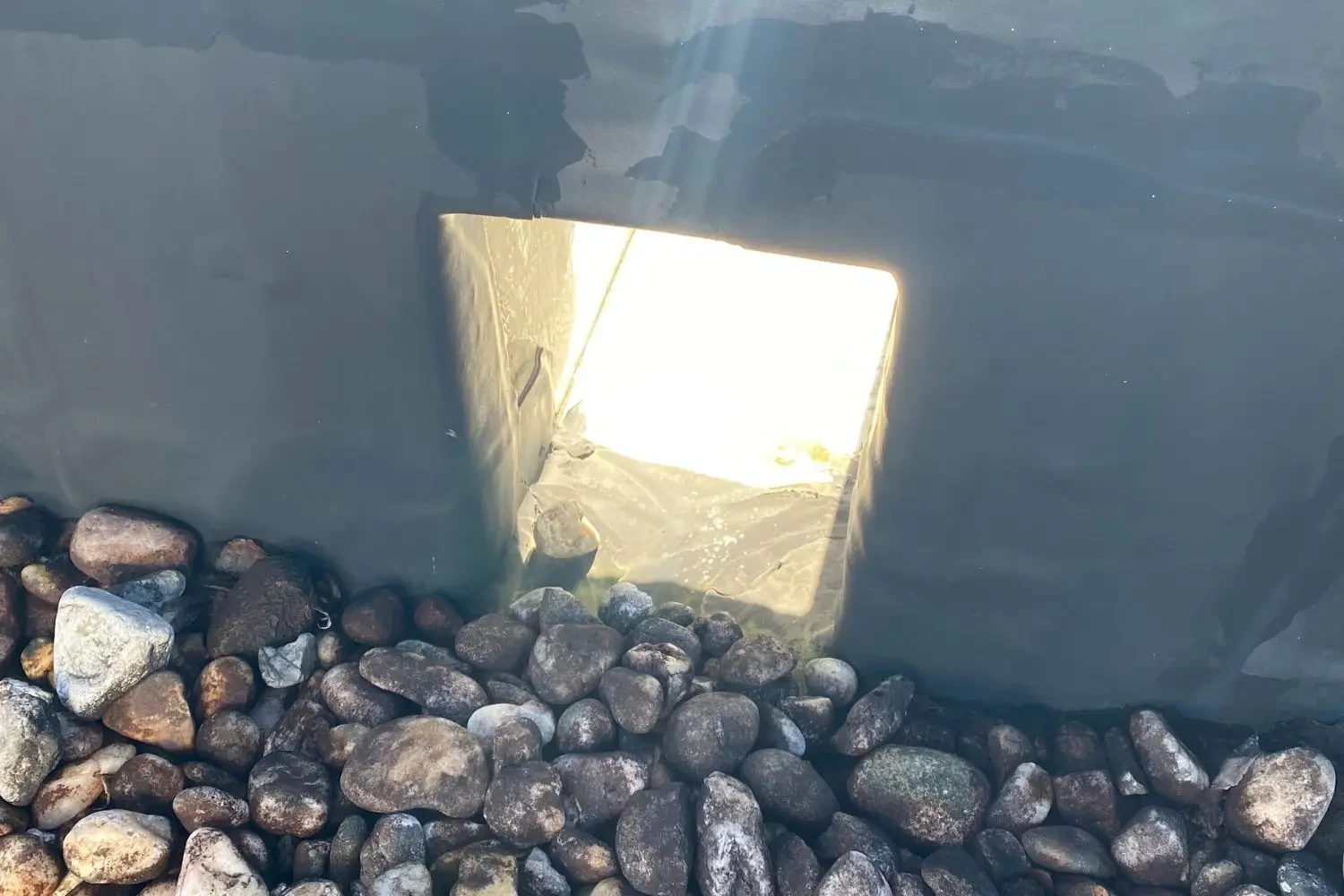
Scuppers, which drain through the parapet wall rather than down through the roof deck, have their own freeze risk: ice can form right at the scupper opening and seal it shut, even when the drain line behind it is clear.
Ponding Water and What It Actually Costs a Roof
Standing water that takes longer than 48 hours to drain after a rain event accelerates membrane aging in that area far faster than the rest of the roof, and it adds real structural load that most low-slope roofs were not designed to carry indefinitely. On flat institutional and plant roofs across the Lansing area, we regularly find low points that have been ponding for years without anyone tracking it as a problem, because it never quite produced a visible interior leak - until it does, usually during a wet snow season when the extra weight from meltwater sitting on top of already-ponded water pushes a marginal deck section past its limit.
Diagnosing a Drainage Problem
We start by mapping where water actually sits after a rain event, rather than trusting the original roof plan's slope design, since roofs settle and shift over the years in ways drawings do not capture. Low points get flagged, drain and scupper capacity gets checked against the actual roof area they serve, and we look for undersized or clogged drain lines that were adequate when the building was new but are now handling a roof area that has grown through additions or rooftop equipment changes.
What a Drainage Correction Involves
- Clearing existing drains, scuppers, and gutter lines of accumulated debris
- Tapered insulation crickets built to redirect ponding toward existing drain points
- Additional drain or scupper capacity where the existing count is undersized for the roof area
- Drain bowl and strainer replacement where corrosion or damage is restricting flow
- Heat cable installation at scuppers or drain lines in locations with a repeated freeze-shut history
- Documentation of ponding locations and duration to support future capital planning
Not every ponding issue requires a major tapered insulation project. Sometimes clearing and upsizing a single undersized drain solves a low point that looked like it needed a full re-slope.
Scupper-Specific Problems on Parapet Buildings
Buildings with parapet walls around the roof perimeter - common on downtown Lansing commercial structures - drain primarily or partially through scuppers rather than interior drains. Scupper liners corrode over time, and the through-wall opening itself can develop gaps that let water into the wall assembly rather than out of it. We check scupper liner condition as its own item, separate from general drain clearing, because it is a different failure mode with different consequences.
Drain Capacity as a Roof Ages
A drainage system that was adequate when a building was constructed does not necessarily stay adequate as roofs get recovered, rooftop equipment gets added, or additions change how much roof area feeds into the same drain lines. We calculate whether existing drain and scupper capacity still matches current roof area whenever we are scoping a reroof or major repair, since undersized drainage on a newly recovered roof just repeats the same ponding problem the old roof had, dressed up in new membrane. That check is inexpensive compared to correcting a drainage shortfall after the new membrane is already installed and warrantied.
Drainage Questions From Owners
How often do roof drains need to be cleared?
At minimum during pre-winter and spring maintenance visits, with additional clearing after major storms that bring debris onto the roof, like heavy leaf drop or storm wind carrying material from nearby trees.
What does it mean if water is still standing 48 hours after a storm?
That is generally considered excessive ponding and points to either a drainage capacity problem or a low point that needs correction, not something to leave unaddressed.
Can heat cable actually prevent scuppers from freezing shut?
Yes, in locations with a documented history of repeated freeze-shut problems, heat cable at the scupper opening and drain line is an effective fix that avoids repeating the same emergency every winter.
Do we need more drains than our roof currently has?
Sometimes. If the roof area has grown through additions or the original drain count was undersized to begin with, adding capacity is often cheaper than repeatedly repairing ponding-related membrane damage.
Is ponding water always a sign of a structural problem?
Not always, but persistent ponding does add load the roof structure has to carry, and we recommend a structural review if ponding has been present for an extended period without correction.
Ready to review the roof scope?
Related Commercial Roofing Services
-
Repairing Lansing Roofs After Wind, Ice, and Derecho Damage
View project -
TPO Roofing for Lansing's State and Auto-Plant Buildings
View project -
Acrylic Coatings: The Right Tool When Ponding Isn't the Problem
View project -
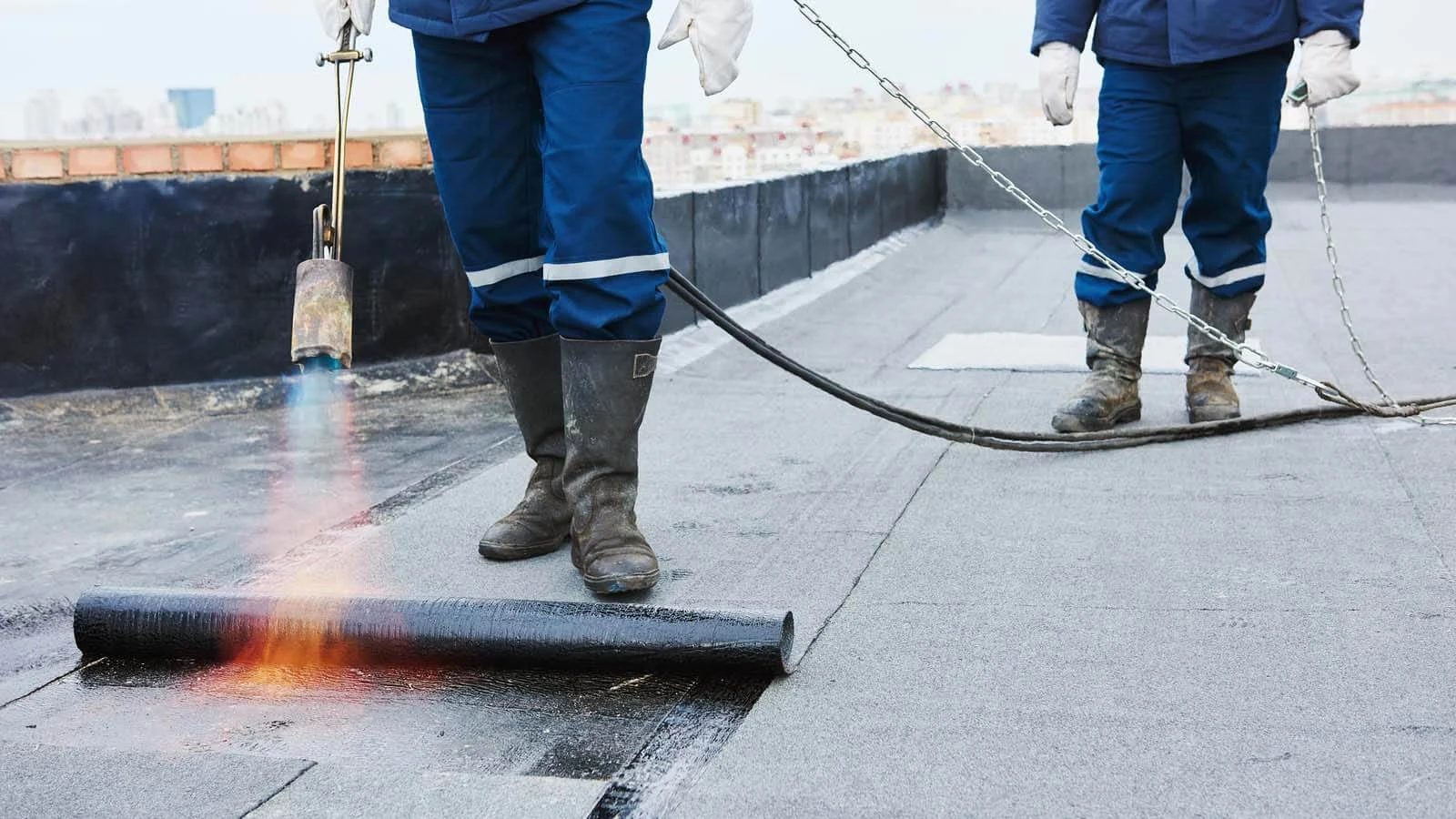
Legacy Gravel Roofs Still in Service Downtown and on Campus
View project -
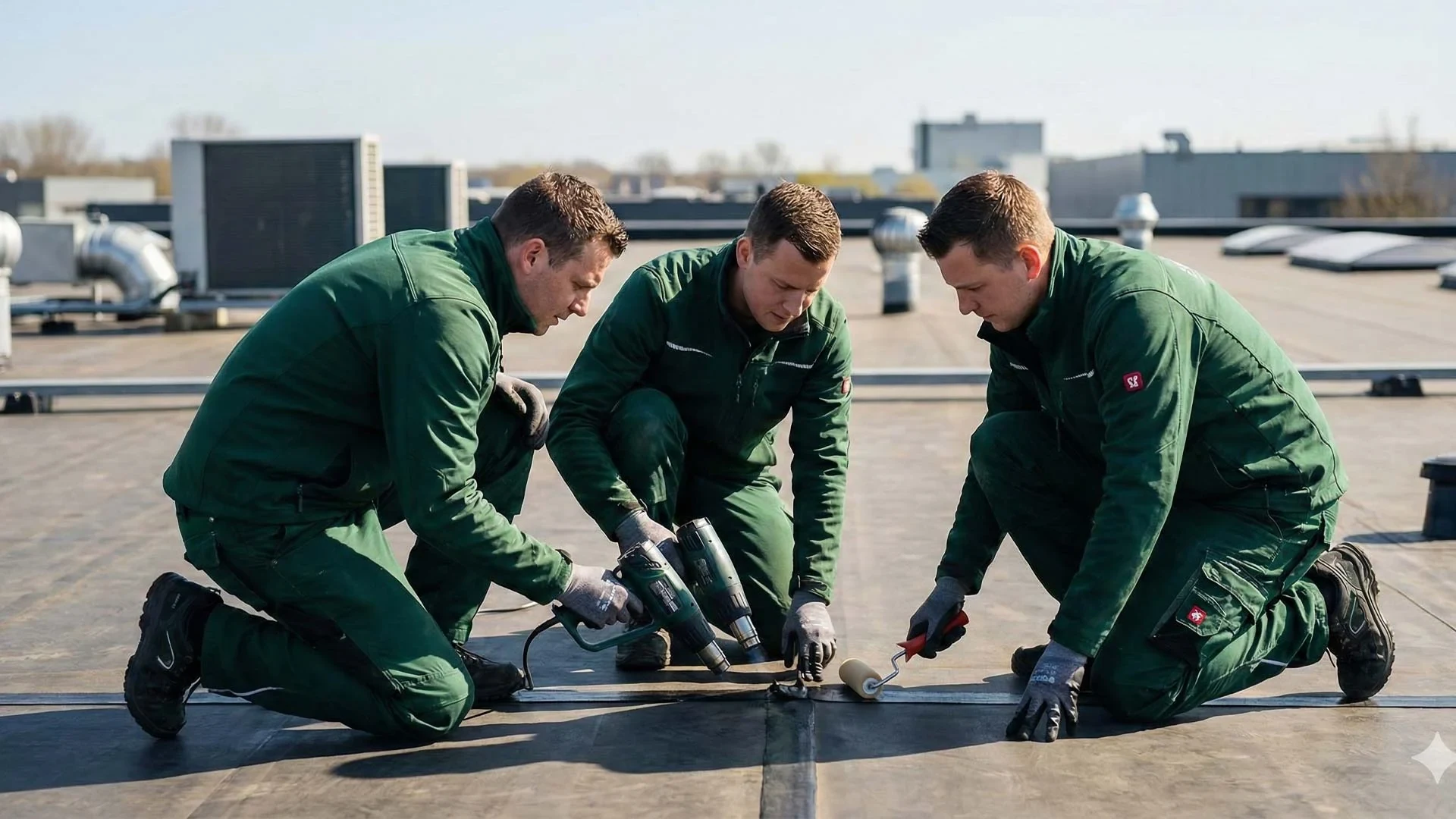
Reroofing Decisions for Lansing's State, Auto, and Campus Roofs
View project -

Honest Roofing Help for a Village the Size of Dansville
View project