
Built-Up Roofing (BUR) in Lansing, MI
Lansing, Michigan
Legacy Gravel Roofs Still in Service Downtown and on Campus
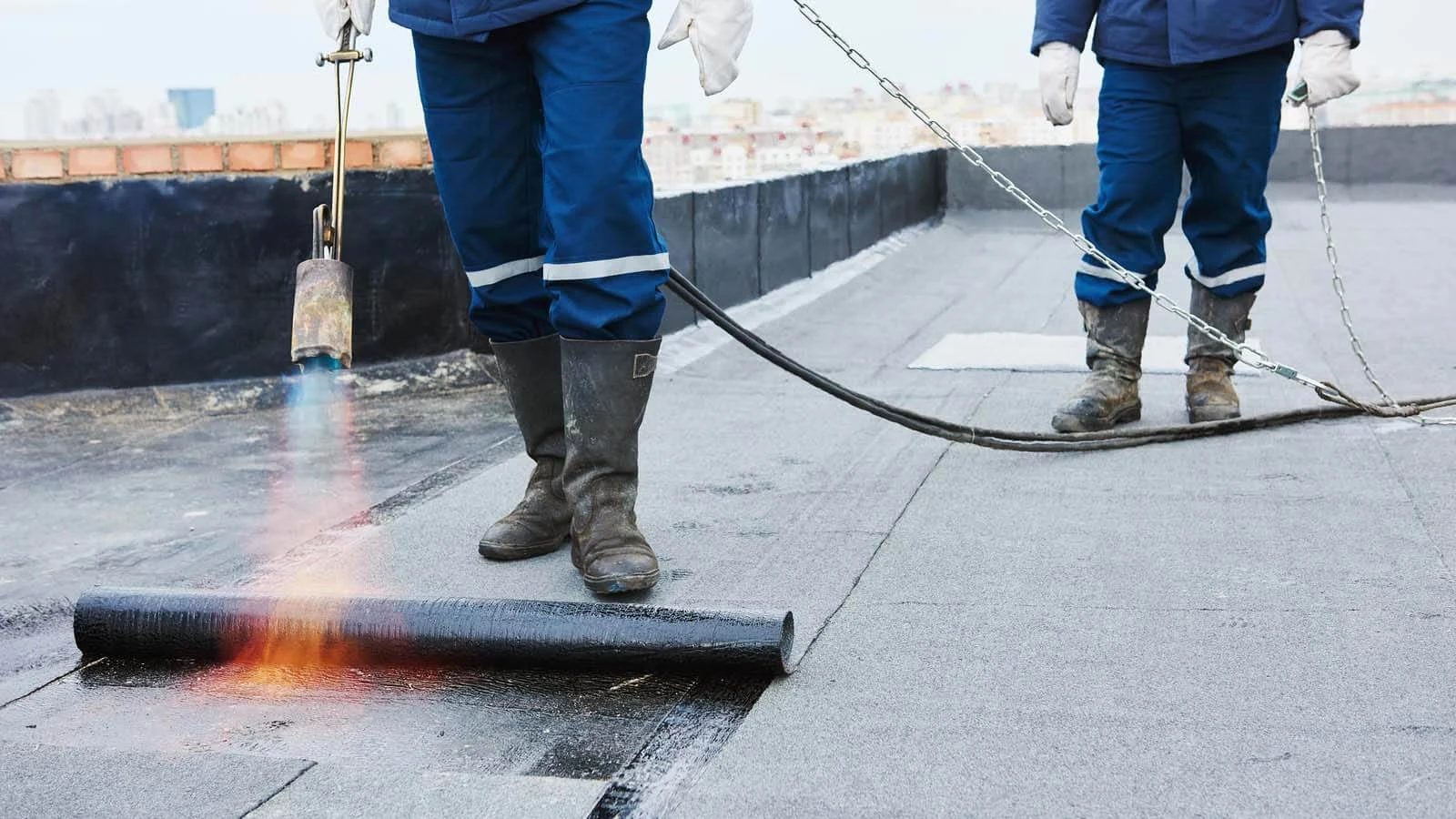
Walk the older sections of downtown Lansing or the original academic core at Michigan State and you'll still find built-up roofs under the gravel - layers of asphalt and felt that were standard practice for decades before single-ply membranes took over. Some of these roofs are forty, fifty, even sixty years old. A surprising number of them are still functionally sound, which is exactly why the maintain-versus-replace decision on a BUR roof deserves more thought than a reflexive tear-off.
Why Some of These Roofs Are Still Working
Built-up roofing's redundancy comes from sheer mass - multiple plies of felt saturated with asphalt, capped with gravel ballast that shields the membrane from UV and mechanical damage. A well-maintained BUR roof with intact flashings and functioning drains can outlast a lot of newer single-ply installations, simply because there's more material standing between the weather and the deck. We inspect these roofs on their actual condition, not their age on paper, before recommending anything.
That said, a lot of downtown Lansing's older commercial buildings and some of the state's legacy office stock are approaching or past the point where continued patching costs more than it saves.
Reading the Real Condition Under the Gravel
Gravel ballast hides a lot. A roof can look intact from a casual walk while the felt underneath has already delaminated in multiple spots. We pull gravel back at several sample locations, check for blistering and ply separation, and probe suspect areas rather than relying on a surface-level walk, because the gravel is specifically designed to protect - and conceal - what's underneath it.
On a typical inspection we'll pull gravel back at a dozen or more locations spread across the roof field, well beyond the area of the reported leak, since a BUR roof's failure pattern rarely stays confined to one spot once ply separation has started.
What We Evaluate on a Legacy BUR Roof
- Ply separation and blistering at sample cuts across the field
- Flashing condition at parapets, which fail before the field membrane usually does
- Drain bowl condition and whether ponding has become chronic
- Structural load capacity, since gravel ballast adds real weight over a large roof
- Interior ceiling and structural steel for signs of long-term moisture intrusion
- Whether prior patch work addressed the cause of a leak or just its symptom
Weight matters more on BUR roofs than on almost any other system we work on. A roof that's been re-covered once or twice already, with gravel ballast on top of it all, can be carrying more dead load than the original structural design accounted for - worth confirming with a structural review before adding anything else.
We've seen this specifically on older downtown Lansing commercial buildings where a second BUR layer was added decades ago without anyone revisiting the structural math. The roof performed fine for years, right up until a heavy wet snow load exposed how little margin was actually left.
A structural review before adding any layer is a modest cost next to what a roof collapse or a partial deck failure would mean for a downtown commercial building or a state office structure still in active use. We treat that review as a standard step on any BUR project involving a building more than a few decades old, not an optional add.
The same logic applies to buildings on Michigan State's older academic campus, where several structures still carry original built-up roofs from well before current load codes were adopted. A structural review there isn't about distrust of the original design - it's about confirming decades of accumulated repairs haven't quietly pushed the roof past what that design assumed.
The Owner's Cost Calculation
For a building an owner plans to hold for the long term - which describes a lot of downtown Lansing and state-held property - the real question isn't whether BUR is an old technology. It's whether the specific roof in front of us still has functional redundancy left, or whether continued patching is just delaying a tear-off that's already necessary. We try to answer that plainly rather than defaulting to either "replace everything" or "it'll be fine," because both defaults have cost an owner money in this market.
For state-held buildings specifically, we try to time any recommended tear-off to align with the facilities team's budget cycle where possible, rather than forcing an emergency decision. A roof that's degrading slowly, without active interior leaks, usually gives an owner enough runway to plan the replacement properly instead of scrambling.
Common Questions About Built-Up Roofs
Is a fifty-year-old built-up roof automatically a replacement candidate?
No. Age alone doesn't determine condition. We've inspected BUR roofs from the 1970s that were still performing, and BUR roofs half that age that had already failed structurally underneath. Condition drives the decision, not the install date.
Why does gravel ballast make inspection harder?
Because it sits on top of the membrane by design, protecting it from UV and impact - but that same layer also hides blistering, ply separation, and early leak points from a casual visual inspection.
Can a built-up roof be re-covered with a single-ply membrane instead of more BUR?
Often yes, if the deck is dry and structurally sound and the layer count is within code limits. This is one of the more common upgrade paths we recommend on legacy downtown buildings.
Does the weight of gravel ballast ever become a structural problem?
It can, particularly on roofs that have been re-covered more than once. We recommend a structural review before adding any additional layer to a gravel-ballasted BUR roof.
Ready to review the roof scope?
Related Commercial Roofing Services
-
Reroofing Decisions for Lansing's State, Auto, and Campus Roofs
View project -
What a Roof Inspection Should Actually Tell a Lansing Owner
View project -
Tracing a Lansing Roof Leak Back to Its Actual Source
View project -
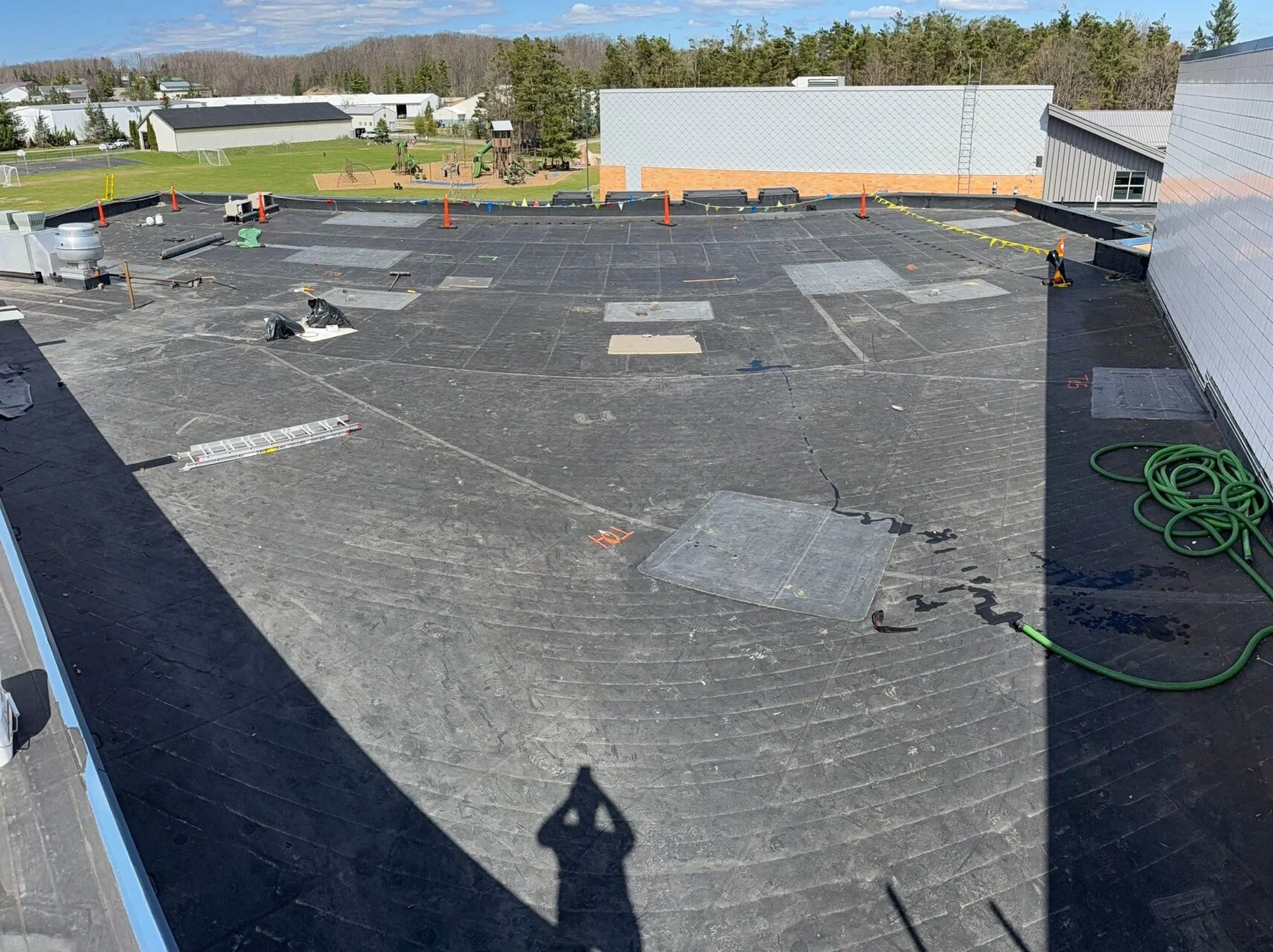
When a Lansing Roof Stops Being a Repair and Becomes a Replacement
View project -
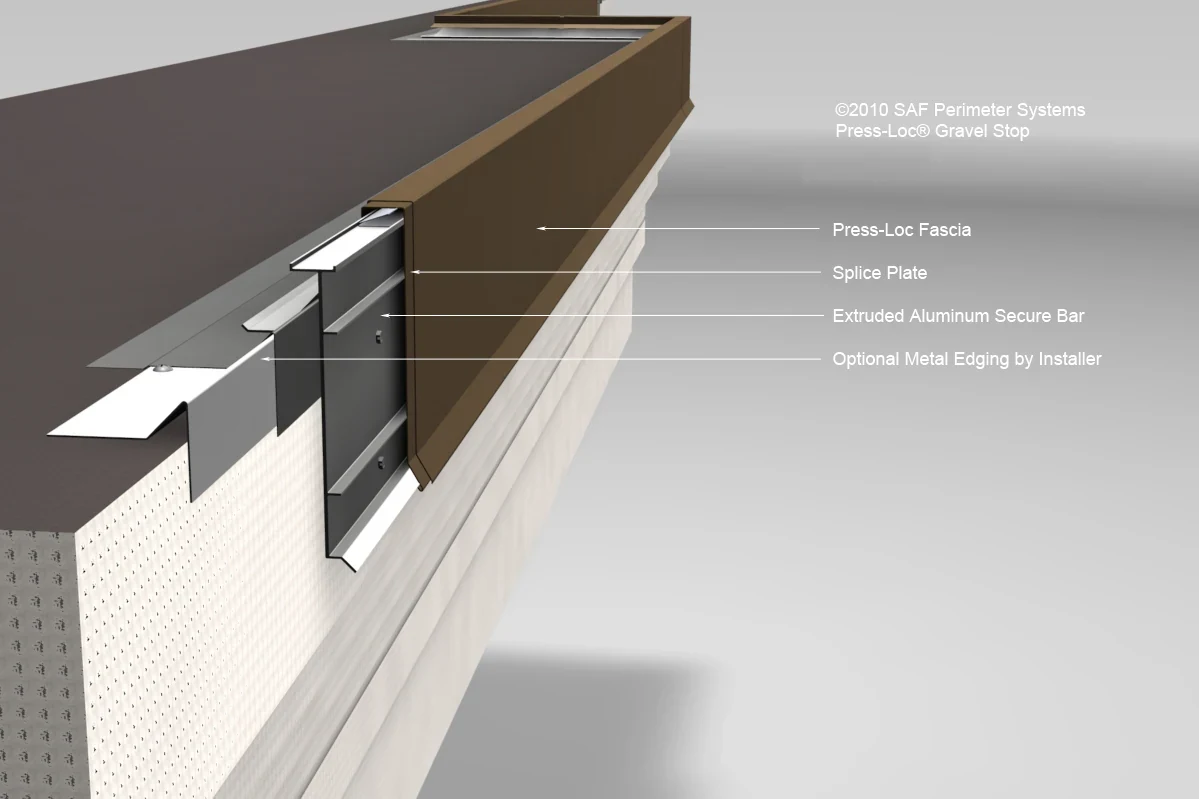
Edge Metal and Coping Are Where Most Lansing Roof Failures Actually Start
View project -
Grand Ledge Splits Between Riverside Manufacturing and a Historic Main Street
View project