
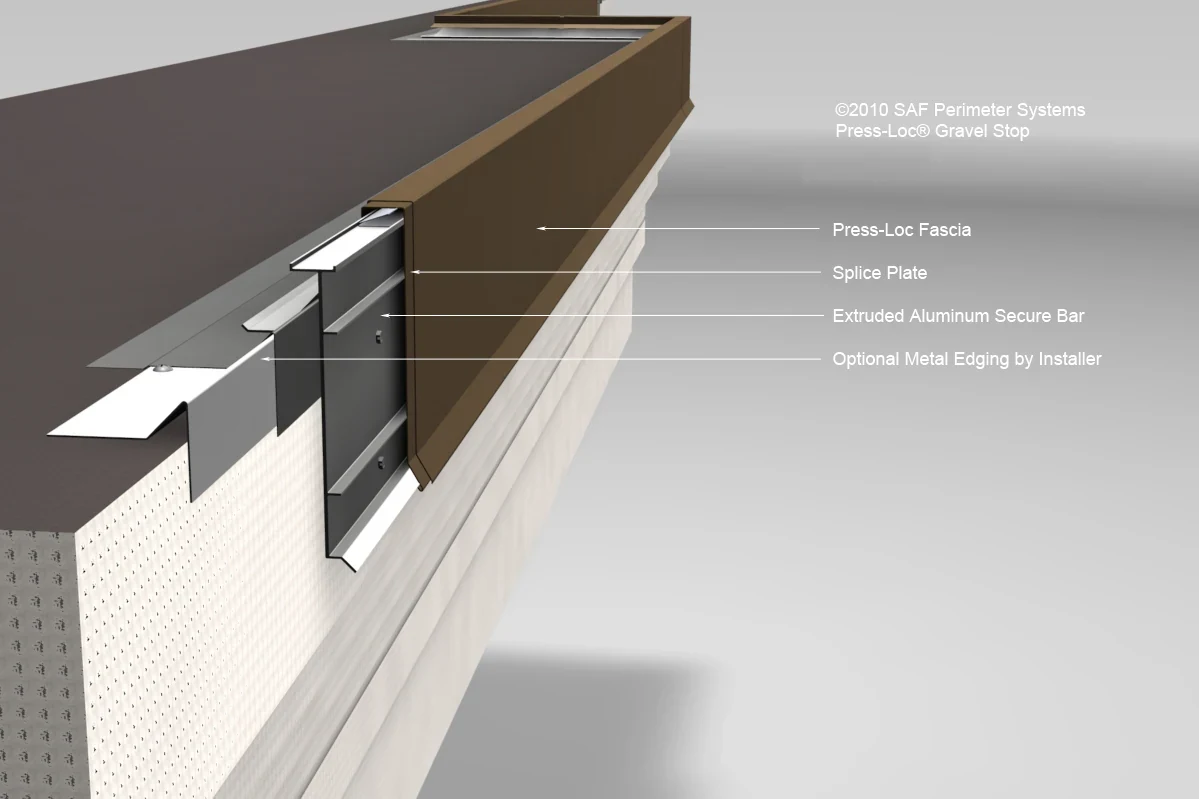
Edge Metal, Coping, and Gutters in Lansing, MI
Lansing, Michigan
Edge Metal and Coping Are Where Most Lansing Roof Failures Actually Start
Owners tend to focus on the membrane in the field of the roof, but the edges are where wind gets its first grip and where freeze-thaw movement does the most repeated damage. A parapet coping joint that has opened a half-inch, or edge metal fastened with a pattern that predates current wind-uplift standards, is often the real cause of a leak an owner is chasing somewhere else on the roof.
Why Edges Fail Before the Field of the Roof Does
Wind does not push evenly across a roof, it concentrates uplift force at corners and edges, which is exactly why building codes specify tighter fastening patterns in those zones than in the field. Older Lansing commercial buildings - plenty of them near downtown, around REO Town, and around the original GM plant corridors - were built to wind standards that have since been revised upward. Edge metal fastened to an outdated pattern is the first thing to move in a strong spring thunderstorm or a derecho-level wind event, and once it starts working loose, the membrane behind it becomes vulnerable too.
Freeze-thaw cycling adds a second stress that has nothing to do with wind. Coping joints and edge metal seams expand and contract through repeated freezing and thawing all winter, and a joint that was sealed tight in October can be visibly open by March if the sealant or mechanical connection was not built to handle that movement.
Coping Joint Failures on Downtown and Institutional Buildings
Parapet walls on older downtown buildings and civic structures near the Capitol commonly use metal coping caps that rely on lap joints and sealant to stay watertight. Once that sealant fails from age and thermal cycling, water gets behind the coping and runs down inside the wall assembly, which can produce interior damage well below the roof line, beyond the roof deck itself. We check coping condition on every inspection specifically because this failure mode is easy to miss from the roof surface alone.
Gutters and Downspouts on Sloped Sections
Not every commercial building in the Lansing area is flat-roofed. Standing seam and metal panel sections on some retail and light-industrial buildings drain through gutters and downspouts, which have their own seasonal failure points: ice buildup that pulls a gutter section loose from its hangers, and debris blockage that causes overflow right at the fascia line where water damage is expensive to repair. We size and space gutter hangers for the actual snow and ice load the building sees, not a generic residential spec, and we check hanger spacing against the roof's actual drainage volume rather than assuming the original installation accounted for it correctly.
What an Edge and Coping Repair Scope Covers
- Fastening pattern review against current wind-uplift requirements for the building's height and exposure
- Coping joint resealing or replacement where lap joints have opened
- Gutter and downspout hanger inspection, with reinforcement where ice loading has stressed the attachment
- Termination bar and membrane edge securement check where the membrane meets the metal
- Corner and transition detailing, since these are the highest-stress points on any roof edge
- Documentation of any prior repair work that was not integrated properly into the original system
A full edge metal replacement is not always necessary. Sometimes reinforcing the fastening pattern and resealing coping joints extends the life of the existing system by years at a fraction of full replacement cost, and we say so when that is the honest recommendation.
What Happens When Edge Failure Goes Unaddressed
Edge metal and coping problems rarely stay small. A single loose section of edge metal in a storm can peel back a run of membrane behind it, turning what would have been a minor resealing job into a membrane repair or replacement conversation. We have seen a single open coping joint on a downtown parapet wall lead to interior water damage two floors below the roof, well after the point where a straightforward reseal would have solved the whole problem for a fraction of the eventual cost.
Edge and Coping Questions From Owners
How do I know if my roof's edge metal is undersized for current wind standards?
We check the fastening pattern and spacing against current code requirements for your building's height and location during an inspection. Many older buildings were built to a lower standard that is now out of date.
Can a coping joint be repaired without replacing the whole coping run?
Often yes, if the failure is isolated to specific joints rather than widespread deterioration across the whole parapet. We assess joint by joint rather than assuming a full replacement is required.
Why did our gutters pull loose during a recent ice storm?
Ice adds significant weight to a gutter system, and hangers spaced or sized for a lighter load can fail under that stress. We reinforce hanger spacing when replacing or repairing storm-damaged gutters.
Is edge metal failure covered by our roof warranty?
That depends on the specific manufacturer warranty and how the original edge metal was installed. We review warranty documentation as part of any edge repair assessment to clarify what is and is not covered.
How often should coping and edge metal be inspected?
At minimum during the standard pre-winter and spring inspection visits, with an additional check after any high-wind event, since edge and coping damage from wind is not always visible from ground level.
Ready to review the roof scope?
Related Commercial Roofing Services
-
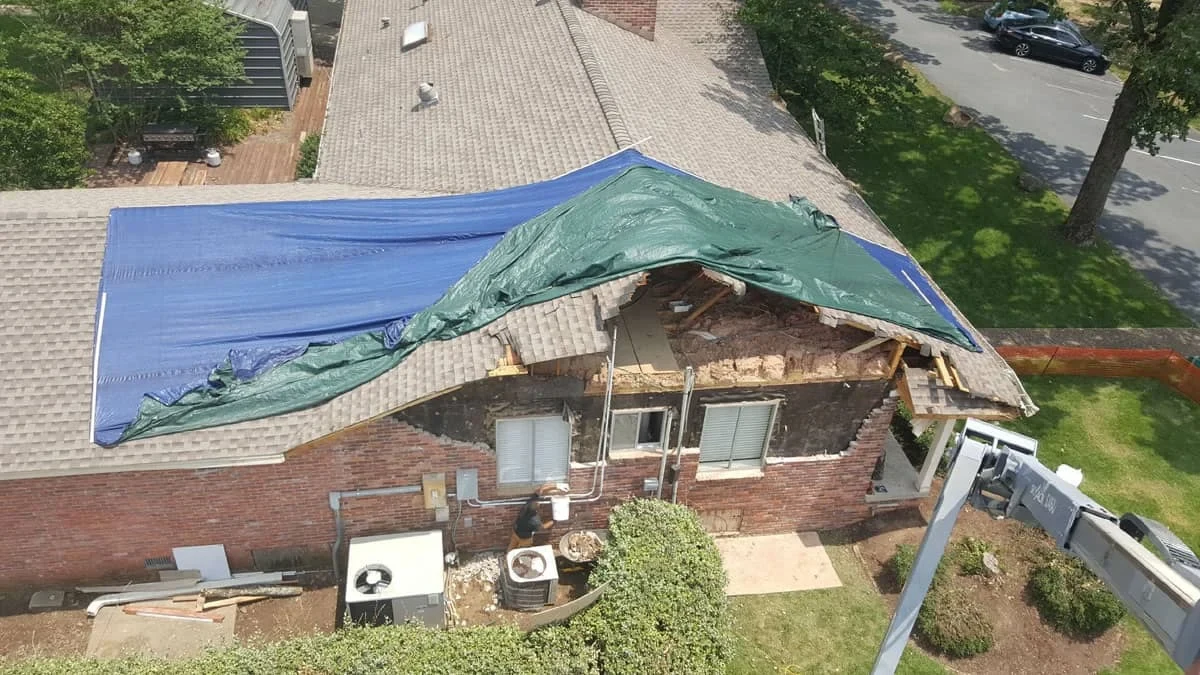
Repairing Lansing Roofs After Wind, Ice, and Derecho Damage
View project -
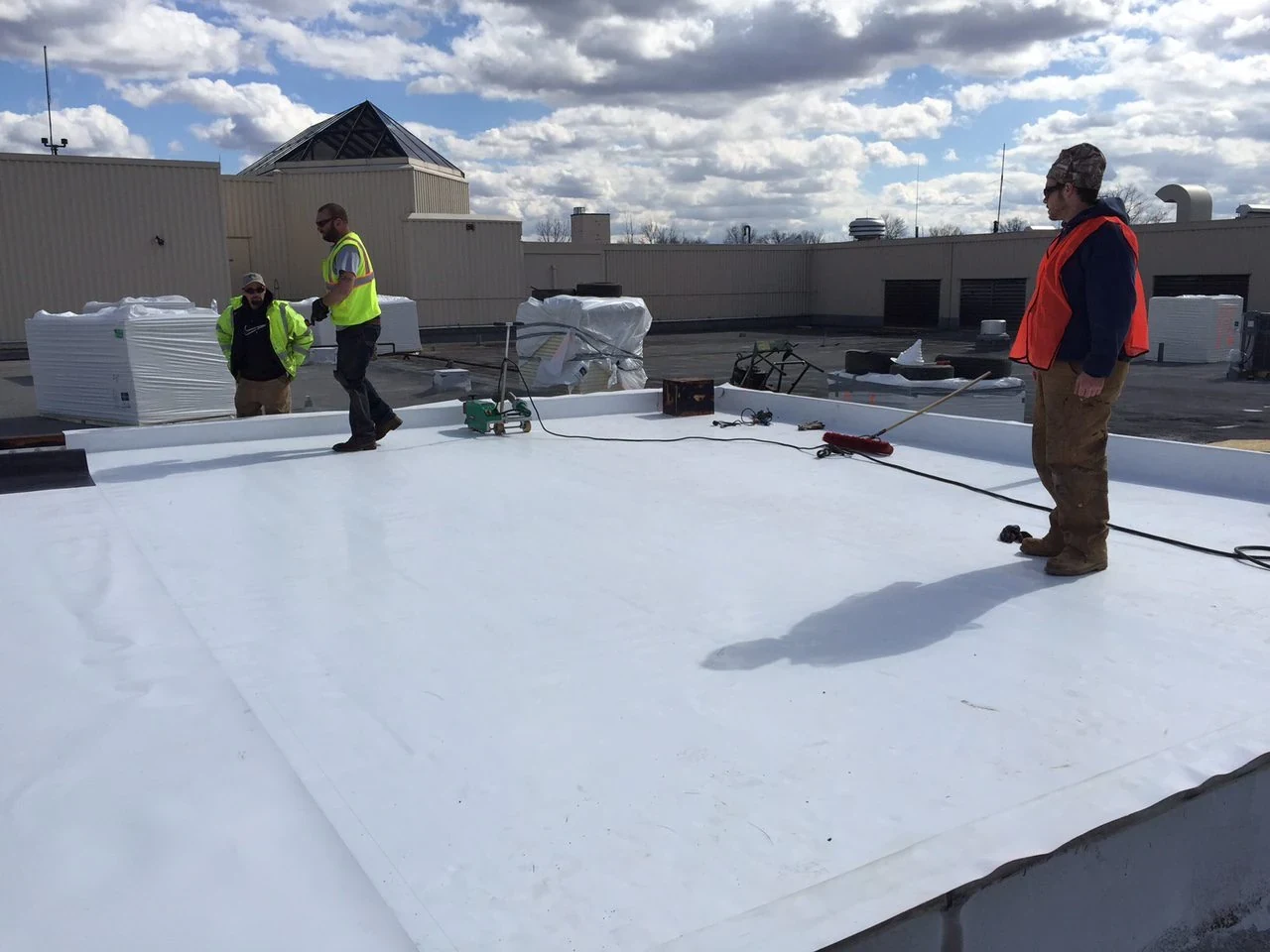
TPO Roofing for Lansing's State and Auto-Plant Buildings
View project -
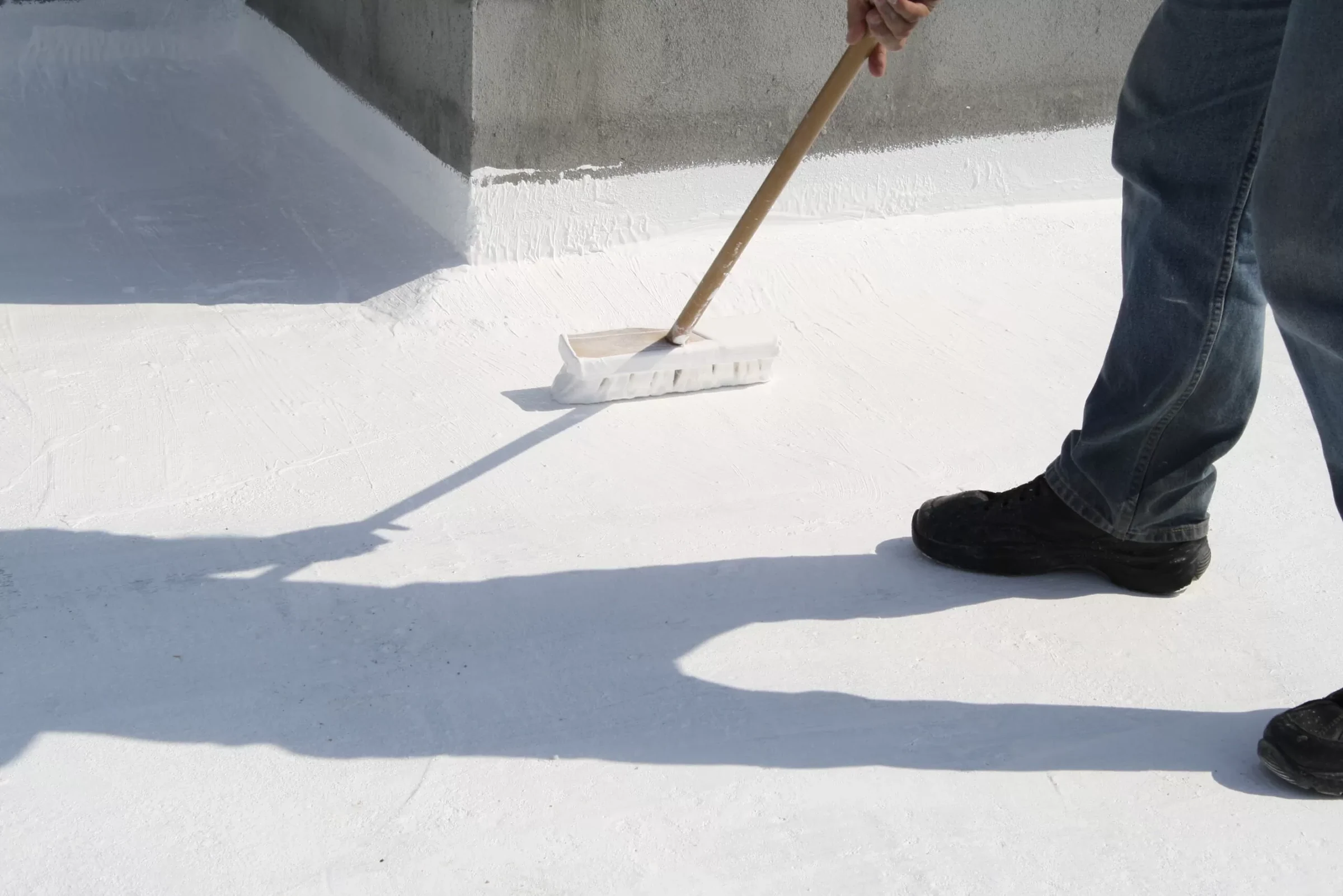
Acrylic Coatings: The Right Tool When Ponding Isn't the Problem
View project -
Legacy Gravel Roofs Still in Service Downtown and on Campus
View project -
Reroofing Decisions for Lansing's State, Auto, and Campus Roofs
View project -

Cedar Street and MLK Corridor Big-Box Roofs Age Differently Than People Assume
View project