
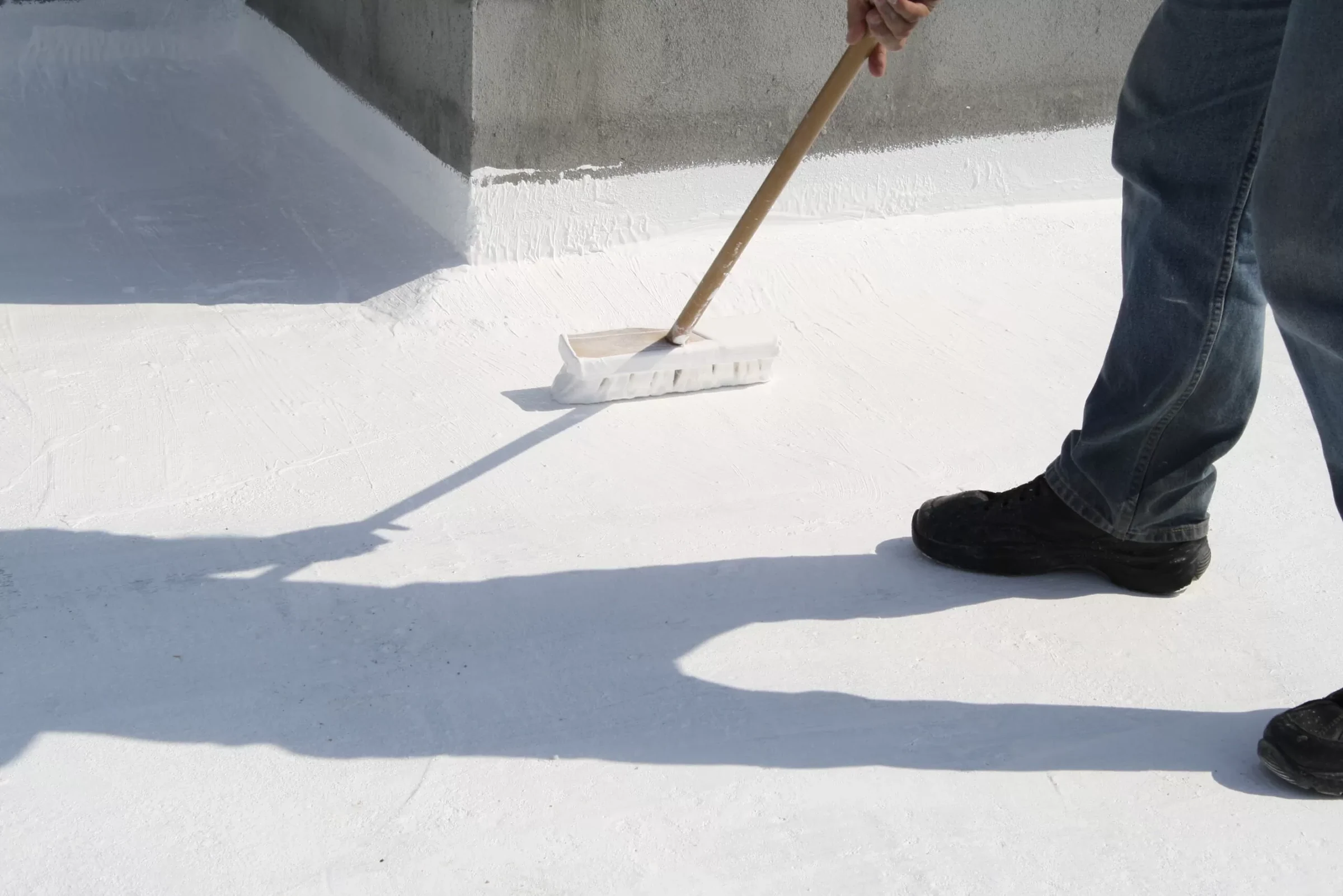
Commercial Roof Coatings in Lansing
Lansing, Michigan
Acrylic Coatings: The Right Tool When Ponding Isn't the Problem
A coating recommendation starts with adhesion, moisture, drainage, membrane condition, detail preparation, and warranty eligibility-not every existing roof is a restoration candidate. Acrylic coating gets recommended too often on roofs where it's the wrong material, usually because it's cheaper than silicone and a contractor is pricing to win the bid rather than fit the roof. Used correctly, on the right roof, it's a genuinely cost-effective way to extend service life and cut cooling load. Used on a roof with standing water, it fails early and an owner ends up paying twice.
Where Acrylic Is a Sound Choice
Office buildings, retail strips along Cedar Street and Saginaw Highway, and well-drained warehouse roofs without ponding issues are good acrylic candidates. On roofs with adequate slope and functioning drainage, acrylic's high reflectivity does real work reducing summer cooling load, which matters on buildings with rooftop HVAC units already working hard through mid-Michigan's humid summer stretch. It's also considerably less expensive per square than silicone, which makes it attractive for owners managing multiple properties on a set restoration budget.
We see this most often with retail chain operators and property management firms holding several buildings across the Lansing area, where a per-square cost difference across multiple roofs adds up fast. For a portfolio without chronic ponding issues, acrylic can meaningfully stretch a restoration budget further than committing every roof to silicone.
Where Acrylic Is the Wrong Choice - and Why It Still Gets Sold
Acrylic coatings are water-based and simply aren't built to withstand sustained standing water. On a roof with chronic ponding - common enough on older flat roofs across this market where drains have settled slightly over the decades - an acrylic coating will soften, degrade, and fail well ahead of its expected service life. We've inspected acrylic-coated roofs less than five years old with visible coating breakdown concentrated exactly where water was standing, on roofs where silicone would have been the correct spec from the start.
The reason this keeps happening is straightforward: acrylic costs less per square, so it wins price-driven bids even on roofs where it's the wrong material. An owner comparing two coating bids without knowing this distinction has no way to catch the problem until the coating is already failing.
We walk every coating candidate roof specifically looking for ponding before quoting acrylic, and we'll say so directly if a roof isn't a fit, even though silicone costs more per square. Losing that portion of the bid is a better outcome for us than watching a coating fail in eighteen months and having our name attached to it.
What We Check Before Recommending Acrylic Over Silicone
- Drainage survey confirming no chronic ponding areas across the full roof
- Roof slope and drain spacing relative to typical mid-Michigan storm volume
- Existing membrane condition and remaining flexibility
- Rooftop equipment and foot traffic patterns that could wear a thinner coating faster
- Owner's priority - cooling load reduction versus maximum weather resistance
If that drainage survey turns up ponding, we recommend silicone instead, even though it costs more, because an acrylic coating on a ponding roof is money spent on a system that won't hold up.
We run this same survey even on roofs where the owner has already decided they want acrylic for the lower price, because that decision only makes sense once we've confirmed drainage actually supports it. An owner who insists on acrylic over a ponding roof after being told the risk is one we'll still work with, but only after that conversation happens in writing.
Reflectivity and Summer Cooling Load
Mid-Michigan summers bring enough sustained heat and humidity that rooftop HVAC load matters on office and retail buildings, particularly ones with flat black membrane absorbing heat all day. A reflective acrylic coating on a well-drained roof can measurably ease that load on the mechanical system, which is a real, tangible benefit for an owner beyond just weatherproofing.
We factor this into recommendations for retail and office buildings along Saginaw Highway and around Frandor, where older rooftop units are already working at close to capacity through Michigan's humid late-summer stretch. A reflective coating won't replace an aging HVAC system, but it measurably reduces how hard that system has to run on the hottest days.
We check the age and condition of the rooftop units themselves before pitching the energy angle too hard, since a coating's cooling benefit matters most to an owner who's trying to stretch the life of existing equipment rather than one who's already planning an HVAC replacement. Framing the benefit accurately keeps the recommendation useful instead of oversold, and we also factor building orientation into it - a roof with a large unshaded southern exposure gets more practical benefit from a reflective coating than one tucked between taller neighboring buildings.
Common Questions About Acrylic Coatings
How do I know if my roof has ponding water that would rule out acrylic?
The clearest way is a roof walk 48 hours after a rain event - if water is still standing anywhere on the field, that's a ponding area, and it's worth having assessed before choosing a coating.
Is acrylic coating a permanent fix?
No coating is permanent. Acrylic extends the service life of a sound underlying roof and typically needs recoating on a maintenance cycle to keep performing.
Can acrylic coating help lower my energy bills?
On a building with significant rooftop HVAC load and a dark existing membrane, a reflective acrylic coating can meaningfully reduce cooling demand during Michigan's warmer months, though the exact impact depends on the building and system.
What happens if acrylic is applied to a roof with ponding anyway?
The coating typically softens and breaks down at the ponding location well ahead of schedule, requiring premature recoating or repair in exactly the areas that needed the most protection.
Ready to review the roof scope?
Related Commercial Roofing Services
-
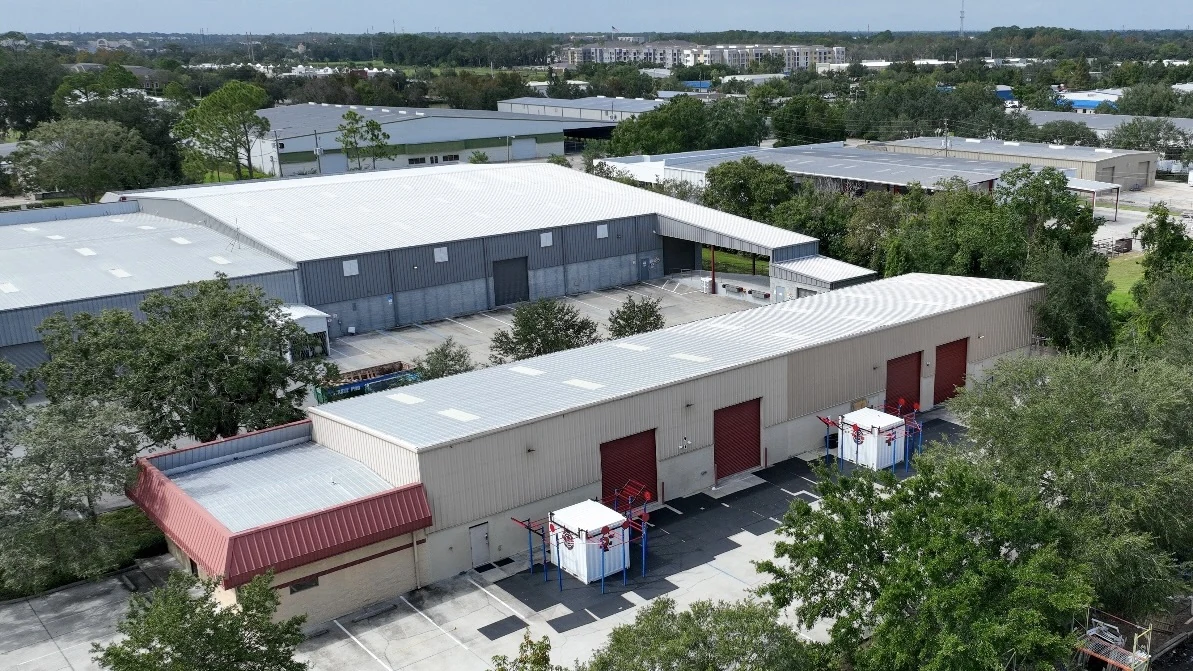
What a Roof Inspection Should Actually Tell a Lansing Owner
View project -
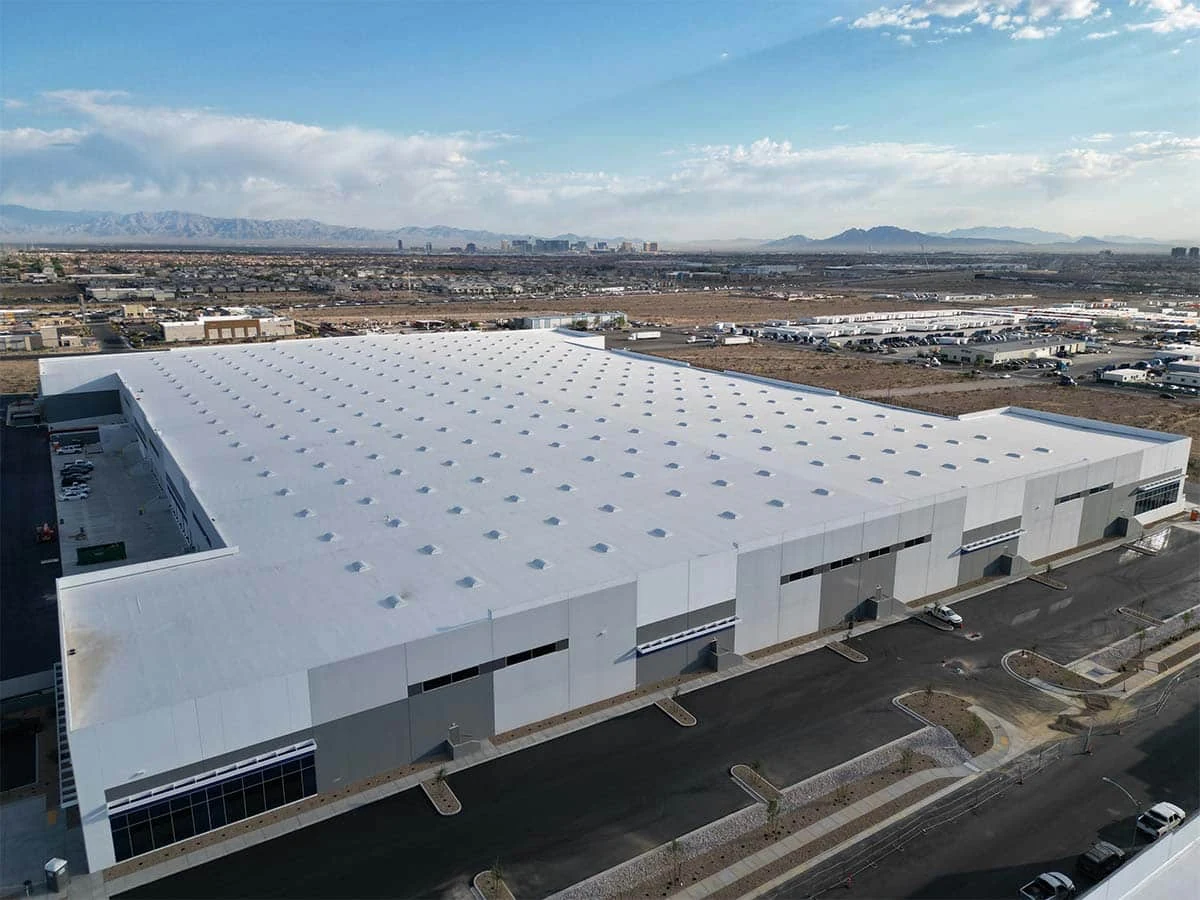
Tracing a Lansing Roof Leak Back to Its Actual Source
View project -
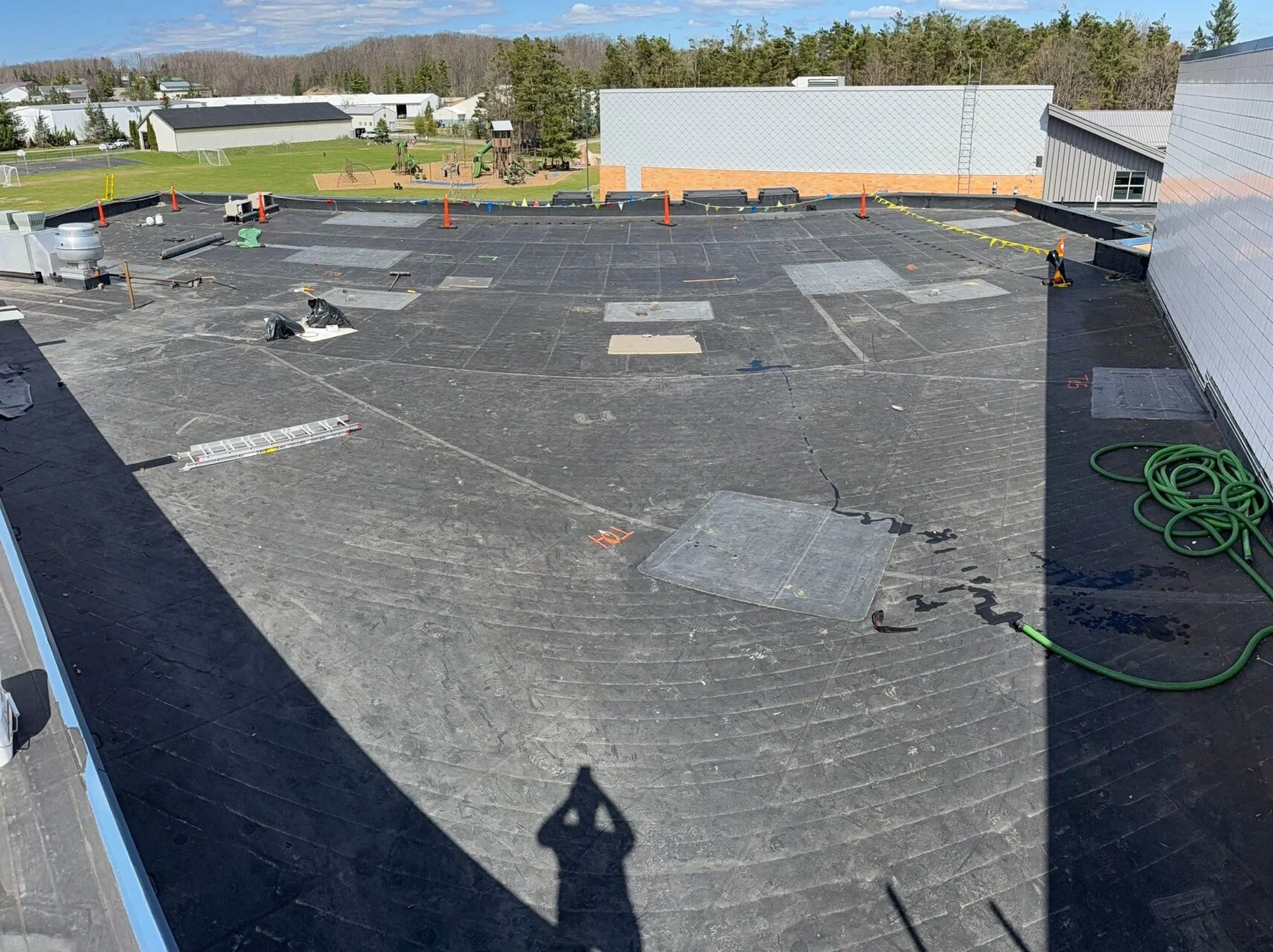
When a Lansing Roof Stops Being a Repair and Becomes a Replacement
View project -
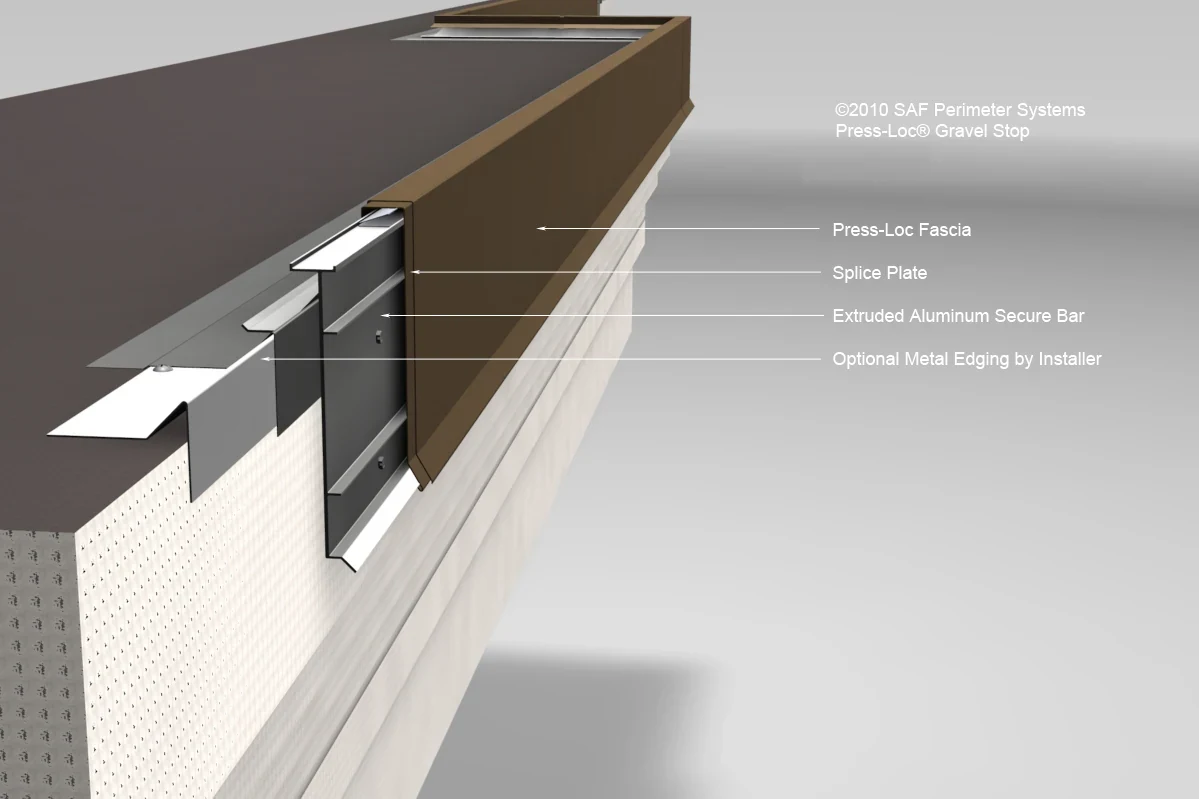
Edge Metal and Coping Are Where Most Lansing Roof Failures Actually Start
View project -
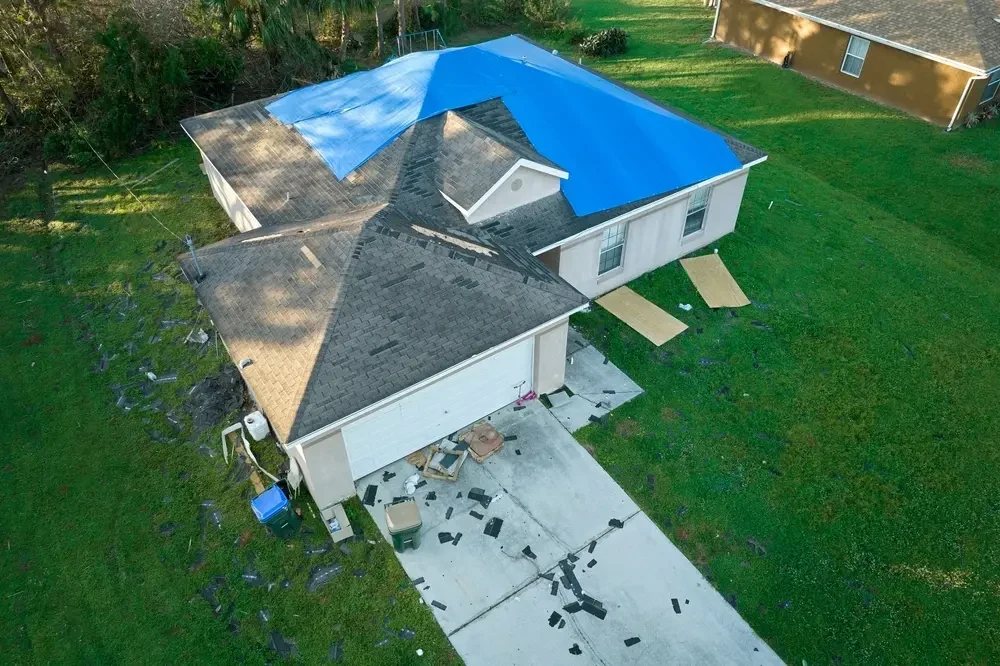
Stopping Water Before It Costs More Than the Roof Damage Itself
View project -
Waverly Road Retail and Office Roofs West of Downtown Lansing
View project