
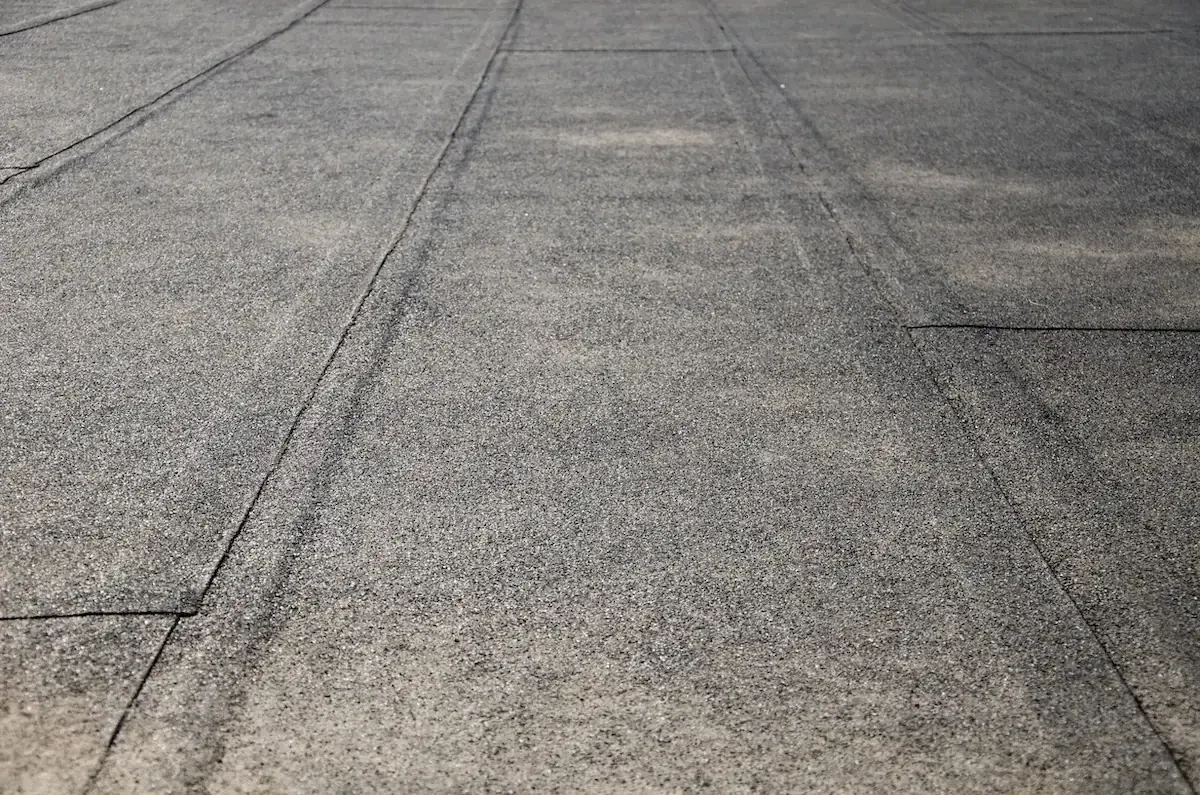
Silicone Roof Coatings in Lansing, MI
Lansing, Michigan
Silicone Coatings as a Capital-Budget Alternative to Replacement
When a state agency or a school district facilities team tells us their roof capital budget won't cover a full replacement this cycle, silicone coating is often the honest answer - not because it's cheap, but because it's one of the few restoration options that actually stands up to standing water, and standing water is the specific problem on a lot of older flat roofs in this market.
Where a Coating Genuinely Solves the Problem
Aging EPDM, modified bitumen, and built-up roofs across state office buildings and older school and institutional stock frequently develop chronic ponding as drains settle or roof slope shifts slightly over decades. Silicone coating is one of the only restoration products that holds up under standing water rather than degrading from it, which makes it a legitimate option - not a stopgap - for a roof with ponding that's otherwise structurally sound.
We recommend it most often on roofs that have years of useful service life left in the underlying membrane or deck, where the problem is surface degradation and ponding-related wear rather than structural failure underneath.
This comes up often on Michigan State facilities and older school district buildings in the surrounding townships, where a roof replaced two or three decades ago is showing surface wear and chronic ponding but the underlying structure has held up. Coating that roof buys the facilities team real years without committing the current budget cycle to a full replacement.
We put a realistic timeline on that extension when we propose it, rather than implying the coating resets the roof's clock to zero. An honest estimate of the added years lets a facilities director plan the eventual full replacement into a future capital cycle instead of being caught off guard by it.
How We Decide Coat vs. Replace
This is the decision where owners get oversold most often in this industry, in both directions - some contractors push coatings on roofs that are genuinely past saving, and others push full replacement on roofs that had years of life left in them. We base the recommendation on what the moisture scan and core samples actually show, not on which service is more profitable to sell.
- Deck and insulation moisture content - a coating over wet insulation just traps the problem
- Existing membrane elasticity and seam condition beneath the surface
- Extent and chronicity of ponding, and whether drainage can realistically be corrected first
- Remaining structural life of the deck itself
- How many capital budget cycles the owner needs the roof to last
A coating applied over a roof with wet insulation underneath doesn't fix anything - it just delays the visible symptom while the underlying problem keeps getting worse. We won't recommend coating a roof that fails that moisture check, even if it's the answer the budget wants to hear.
We put the moisture scan results in writing, roof zone by roof zone, so a facilities director can see exactly where a coating is appropriate and where it isn't. On a large state or campus roof, the answer is sometimes both - a coating over the sound majority of the field, paired with targeted repair or partial tear-off over a wet section.
Silicone's Ponding Water Advantage
Most restoration coatings, including acrylic, break down under sustained standing water. Silicone doesn't have that weakness, which is exactly why it's the right choice for the ponding-prone flat roofs common on older state and institutional buildings where drainage was never quite right to begin with and correcting the slope isn't in the current budget.
We've coated roofs across state office buildings and older school stock in this market that had ponding for as long as anyone on the facilities team could remember. Correcting the slope outright would mean tapered insulation and a much larger project; silicone coating let the owner protect the roof now and revisit the drainage question on a future capital cycle.
What a Silicone Coating Project Actually Involves
A proper silicone coating job involves more than spraying material over an old roof. It starts with pressure washing and surface prep, addressing any active leaks and deteriorated flashing before coating goes down, and applying at a manufacturer-specified thickness that actually delivers the warranted performance. Skipping surface prep to save a day of labor is the most common reason a silicone coating underperforms its expected service life.
We photograph and document surface prep and flashing repair work before coating goes down, specifically for owners who need that record for a facilities file or a public procurement audit trail. It's a small step that protects the owner if a warranty question ever comes up years later.
Questions About Silicone Coatings
Will a silicone coating fix a roof that already has interior leaks?
Only if we address the underlying leak sources and flashing issues before coating - the coating restores and protects the field membrane, it doesn't fix an active penetration or flashing failure on its own.
How long does a silicone-coated roof typically last before recoating?
It depends on the coating thickness applied, existing membrane condition, and traffic on the roof, but a properly specified system can extend a roof's service life by a meaningful number of years before a follow-up coat or replacement is needed.
Is silicone better than acrylic for our roof?
If your roof has ponding water, yes - acrylic isn't rated for sustained standing water and silicone is. If ponding isn't an issue, acrylic can be a more cost-effective option worth considering.
Can you tell if a roof is a good coating candidate before doing a full inspection?
Only roughly. A real answer requires moisture scanning and, usually, core samples to confirm the deck and insulation are dry enough for a coating to make sense rather than just delaying an eventual tear-off.
Ready to review the roof scope?
Related Commercial Roofing Services
-
Reroofing Decisions for Lansing's State, Auto, and Campus Roofs
View project -
What a Roof Inspection Should Actually Tell a Lansing Owner
View project -
Tracing a Lansing Roof Leak Back to Its Actual Source
View project -
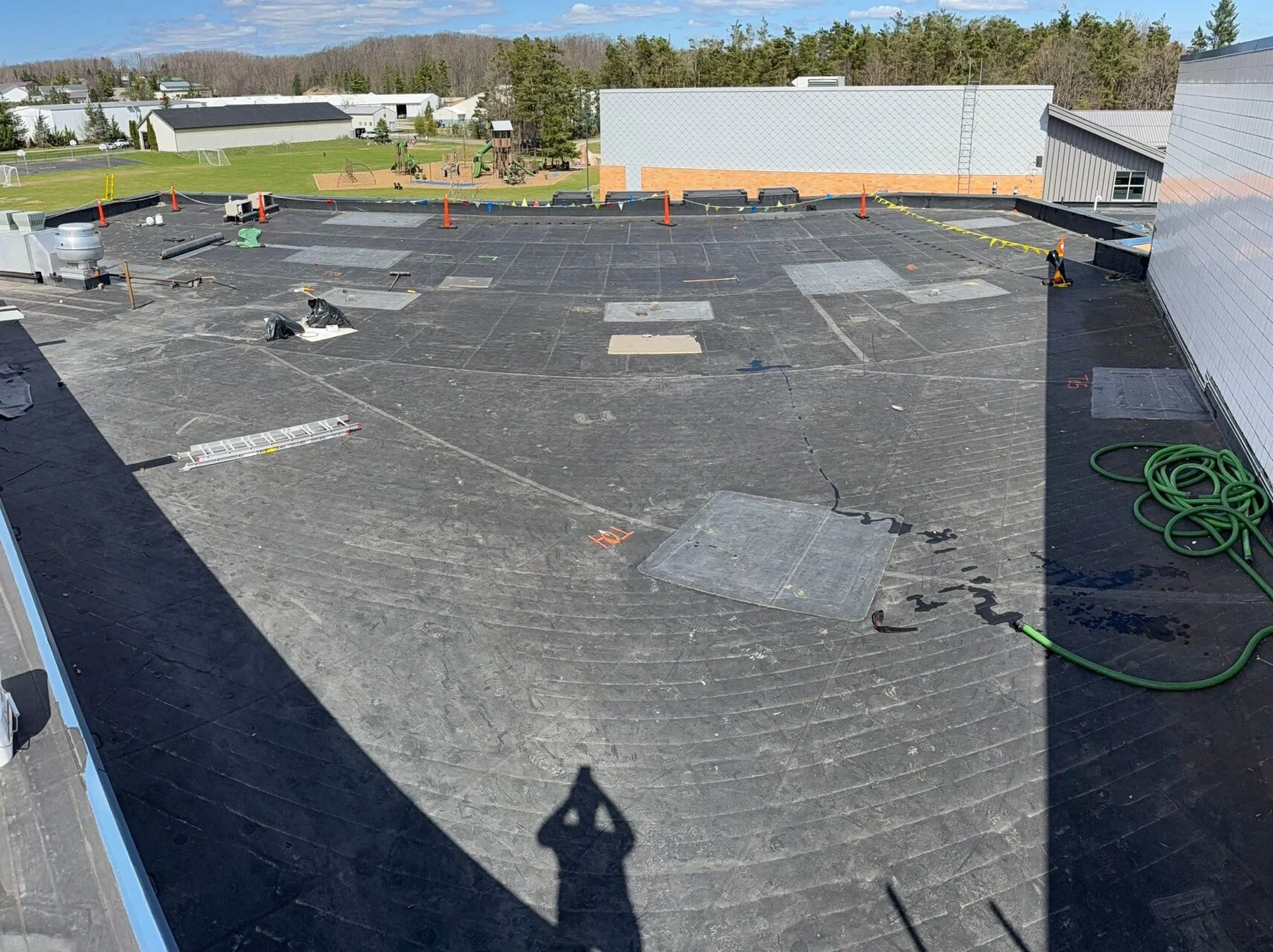
When a Lansing Roof Stops Being a Repair and Becomes a Replacement
View project -
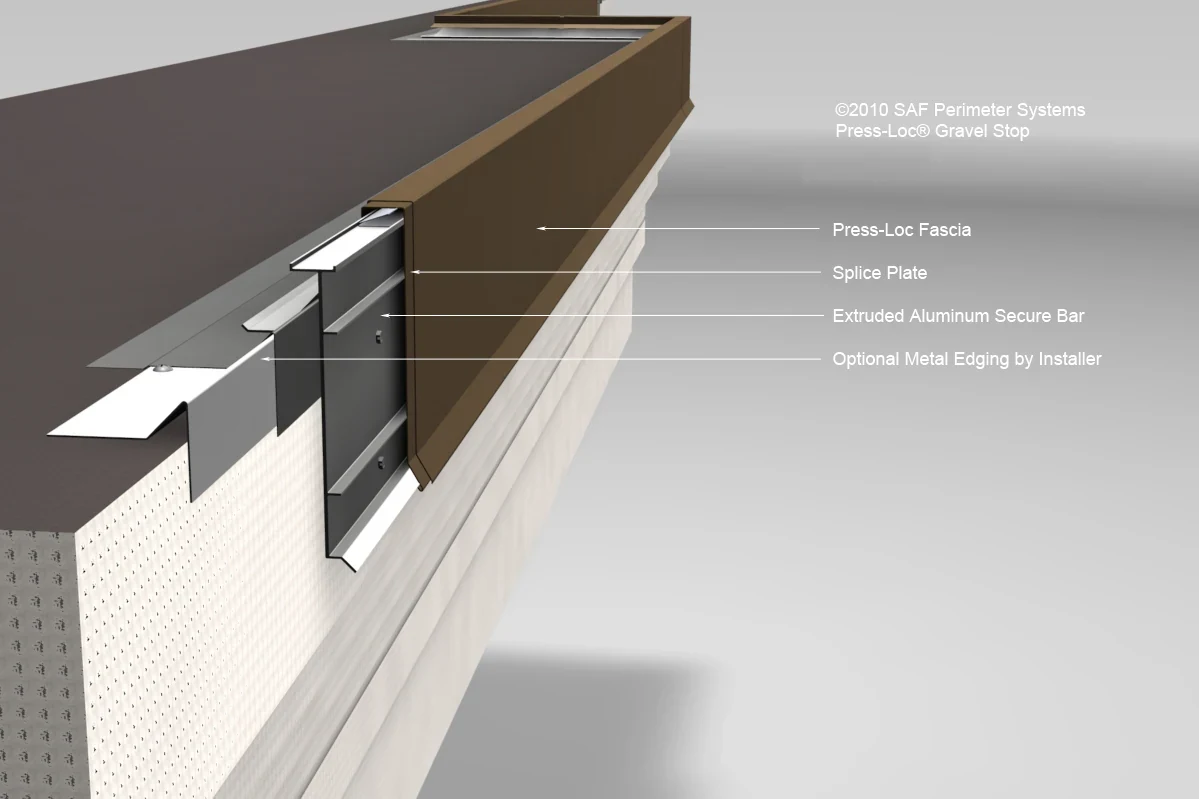
Edge Metal and Coping Are Where Most Lansing Roof Failures Actually Start
View project -

MSU Sets the Roofing Calendar for East Lansing's Grand River Corridor
View project