
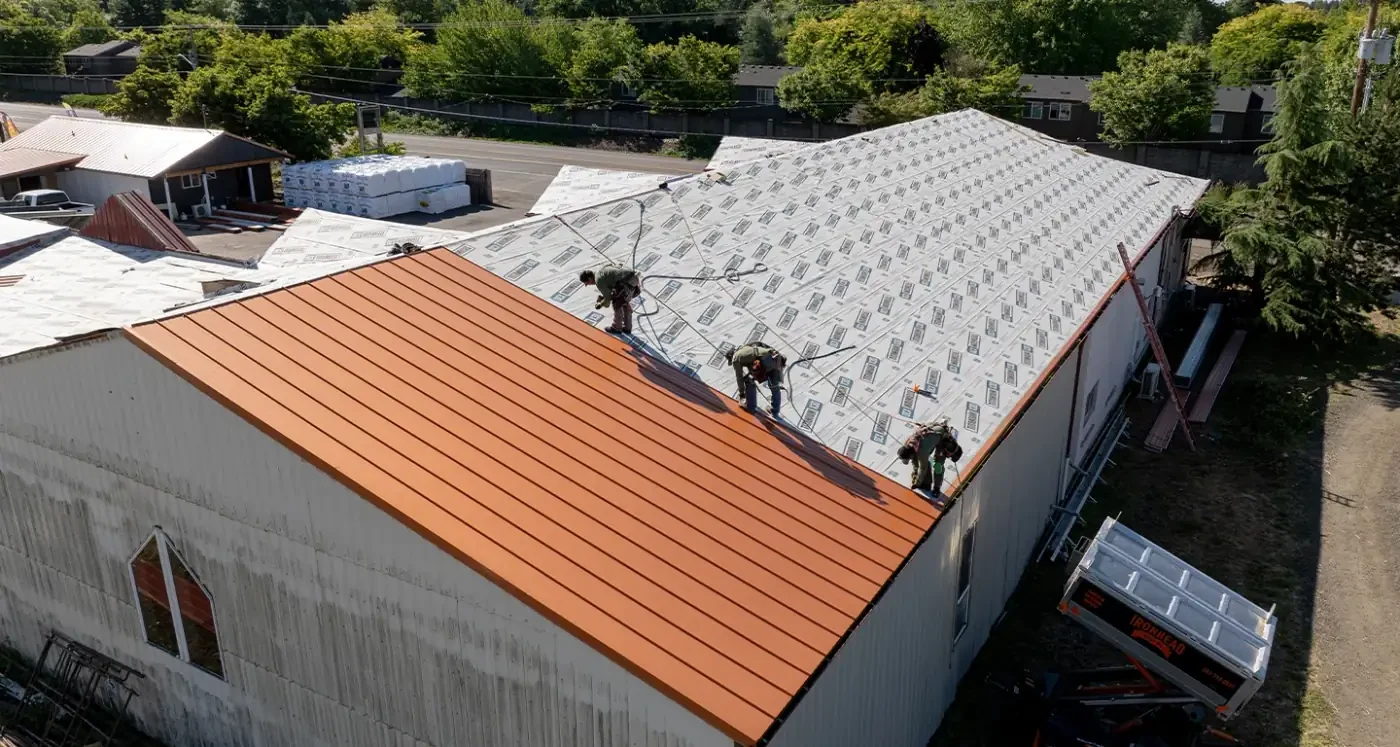
Standing Seam Metal Roofing in Lansing, MI
Lansing, Michigan
Standing Seam Metal for Distribution and Plant Buildings
Standing seam metal has become the default choice for a lot of new industrial and distribution construction along the I-96, I-69, and US-127 corridors around Lansing, and for good reason - it sheds Michigan's heavy wet snow better than almost any low-slope alternative, if the clip system and panel gauge were actually specified for our snow load, not a generic regional minimum.
Where Standing Seam Fits Best in This Market
New distribution buildings near the I-96/I-69 interchange, expanded warehouse space around Delta Township and DeWitt Township, and plant additions tied to the auto supply chain increasingly go up with standing seam roofs rather than flat single-ply. Owners like the reduced long-term maintenance and the clean water-shedding profile, especially on buildings with steeper roof pitches where standing water was never going to be the concern that snow load and wind uplift are.
It's less common on older downtown and campus buildings, most of which were built flat and would require a structural retrofit to accept a pitched metal system - that's a bigger project than most re-roofs and usually only makes sense during a larger building renovation.
We've fielded this question most often from owners of older flat-roofed buildings near Delta Township and the US-127 corridor who saw a neighboring plant addition go up in standing seam and wondered if their own building should follow. In most of those cases, a well-specified single-ply system on the existing flat roof made more financial sense than a structural retrofit to accept a pitched metal system.
Why Clip Specification Is the Decision That Actually Matters
Standing seam performance comes down to the concealed clip system more than almost any other component. A clip system underspecified for our snow and wind load can allow panels to walk under thermal expansion and contraction - Michigan's temperature swing between a January cold snap and a summer heat wave is significant - leading to seam separation years before the panel material itself would have failed. We've inspected relatively new standing seam roofs with premature seam problems traced directly back to a clip system chosen to hit a price point rather than the actual load requirements for the building.
Panel gauge matters too, but it's usually the more visible spec on a bid. Clip spacing and float allowance are the ones that get quietly value-engineered out, and they're the ones that determine whether the roof performs for thirty years or needs seam repairs in year eight.
We ask every standing seam bidder for their clip spacing and float allowance in writing before comparing prices, the same way we push on TPO fastening patterns. It's a small ask that catches most of the corner-cutting before a contract is signed rather than after a panel starts walking.
Snow-Shedding and Roof Design
Mid-Michigan gets heavy, wet snow more often than the light powder some other regions see, and wet snow is heavier per inch and more prone to sliding in sudden sheets once a roof surface warms slightly. On buildings near loading docks, walkways, or parking, snow guard placement matters as much as the roof system itself - a standing seam roof without snow retention over an entrance or dock area can turn a normal winter storm into a liability problem the first time a slab of wet snow releases at once.
We see this most on newer distribution buildings along I-96 and I-69, where loading dock traffic runs through the winter regardless of conditions. A snow guard system at the eave over those dock doors is a modest add during construction and a genuine headache to retrofit correctly after the fact.
What We Specify Before Recommending a System
- Clip type and spacing rated for the building's actual wind uplift and snow load zone
- Panel gauge appropriate to span and expected foot traffic for maintenance access
- Underlayment suited to condensation risk on unconditioned warehouse space
- Snow retention system placement at entrances, docks, and walkways
- Fastener-free field seam detail to eliminate the exposed-fastener failure points common on cheaper systems
- Expansion joint placement on longer roof runs to manage thermal movement
Most of those items are invisible on a finished roof and easy to skip on a bid that's competing on price. We spell them out in writing before a contract is signed so the owner knows exactly what they're paying for.
Owners evaluating competing bids on a new distribution building should ask each contractor to walk through this same list line by line rather than comparing a single lump-sum number, since two bids that look close on price can represent very different roofs once these details are accounted for.
Questions About Standing Seam in This Climate
Is standing seam worth the added cost over a flat single-ply system for a new warehouse?
For a pitched roof, generally yes - the reduced long-term maintenance and superior snow-shedding usually justify the higher installed cost over the building's life, though the comparison only makes sense on buildings designed for a pitched roof to begin with.
Do I need snow guards on a standing seam roof here?
If there's a walkway, entrance, loading dock, or parking area beneath any part of the roof, yes. Wet Michigan snow can release in large sheets, and snow retention is a straightforward way to manage that risk.
How does temperature swing affect standing seam performance?
Panels expand and contract significantly between winter and summer here, which is why clip systems need enough float allowance to accommodate that movement without stressing the seams. This is a spec detail, not something fixed after installation.
Can standing seam be installed on an existing flat roof building?
Only with a structural retrofit to create the necessary pitch and support, which is a substantially bigger project than a typical re-roof. We evaluate this on a case-by-case basis tied to a larger renovation.
Ready to review the roof scope?
Related Commercial Roofing Services
-
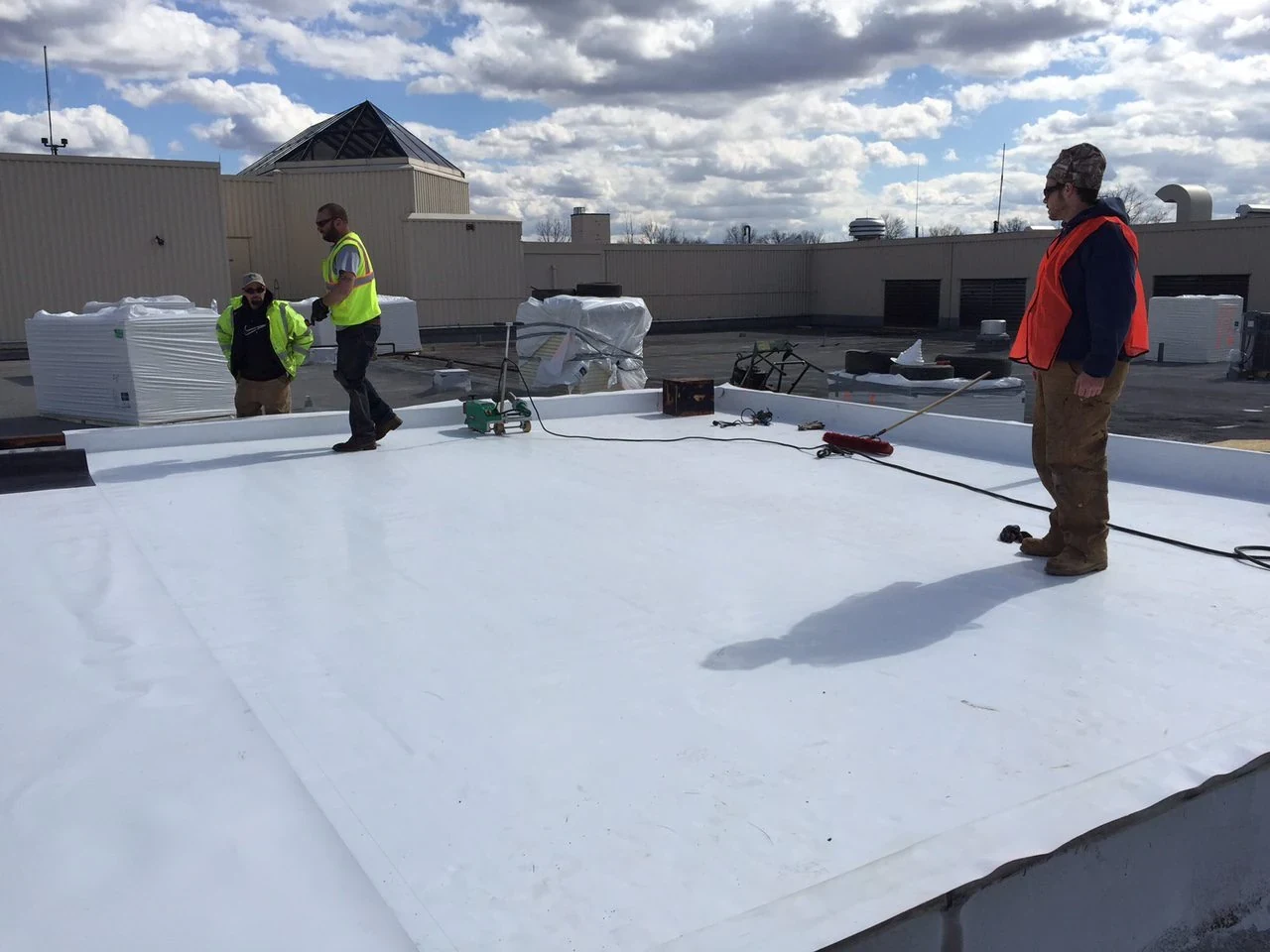
TPO Roofing for Lansing's State and Auto-Plant Buildings
View project -
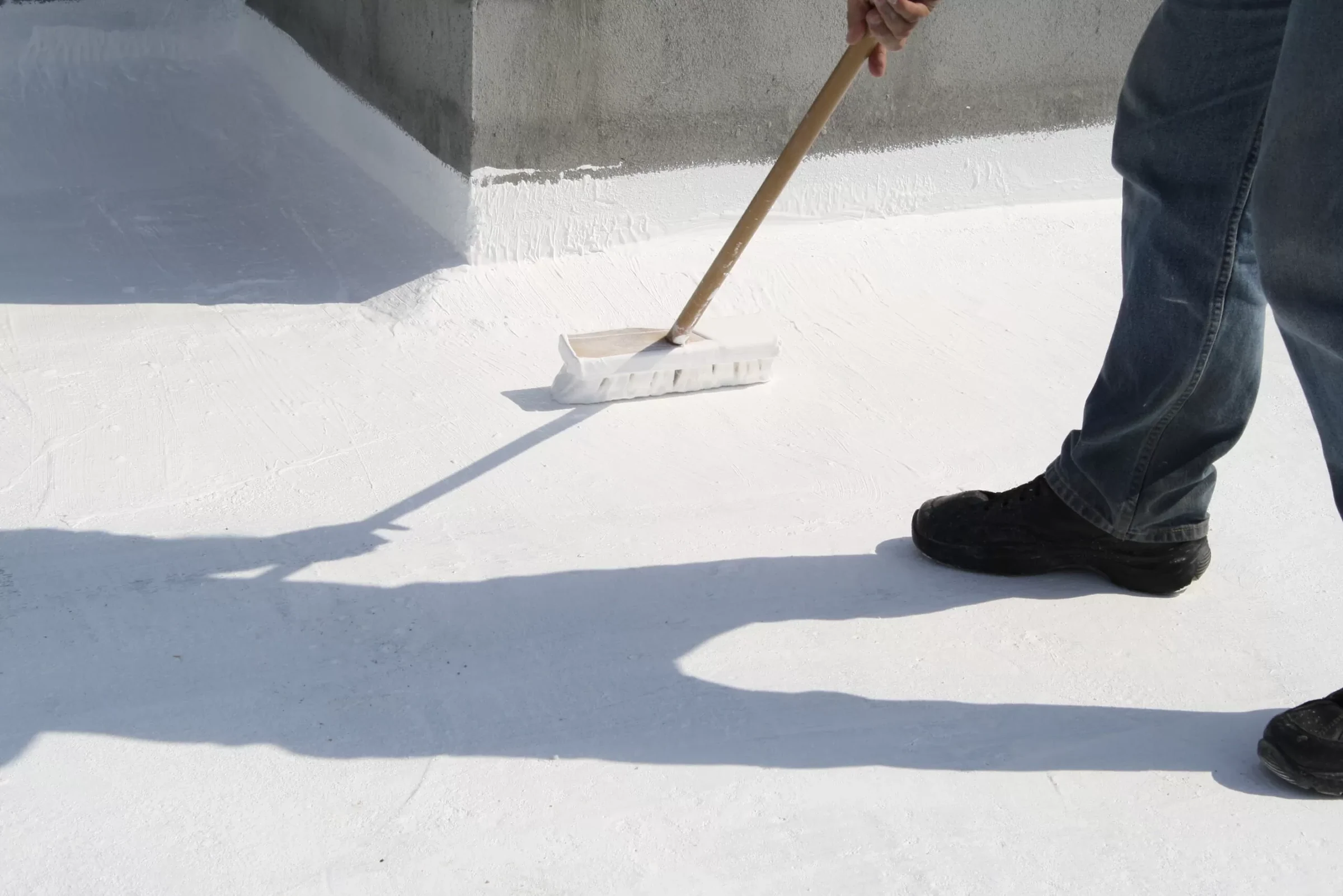
Acrylic Coatings: The Right Tool When Ponding Isn't the Problem
View project -
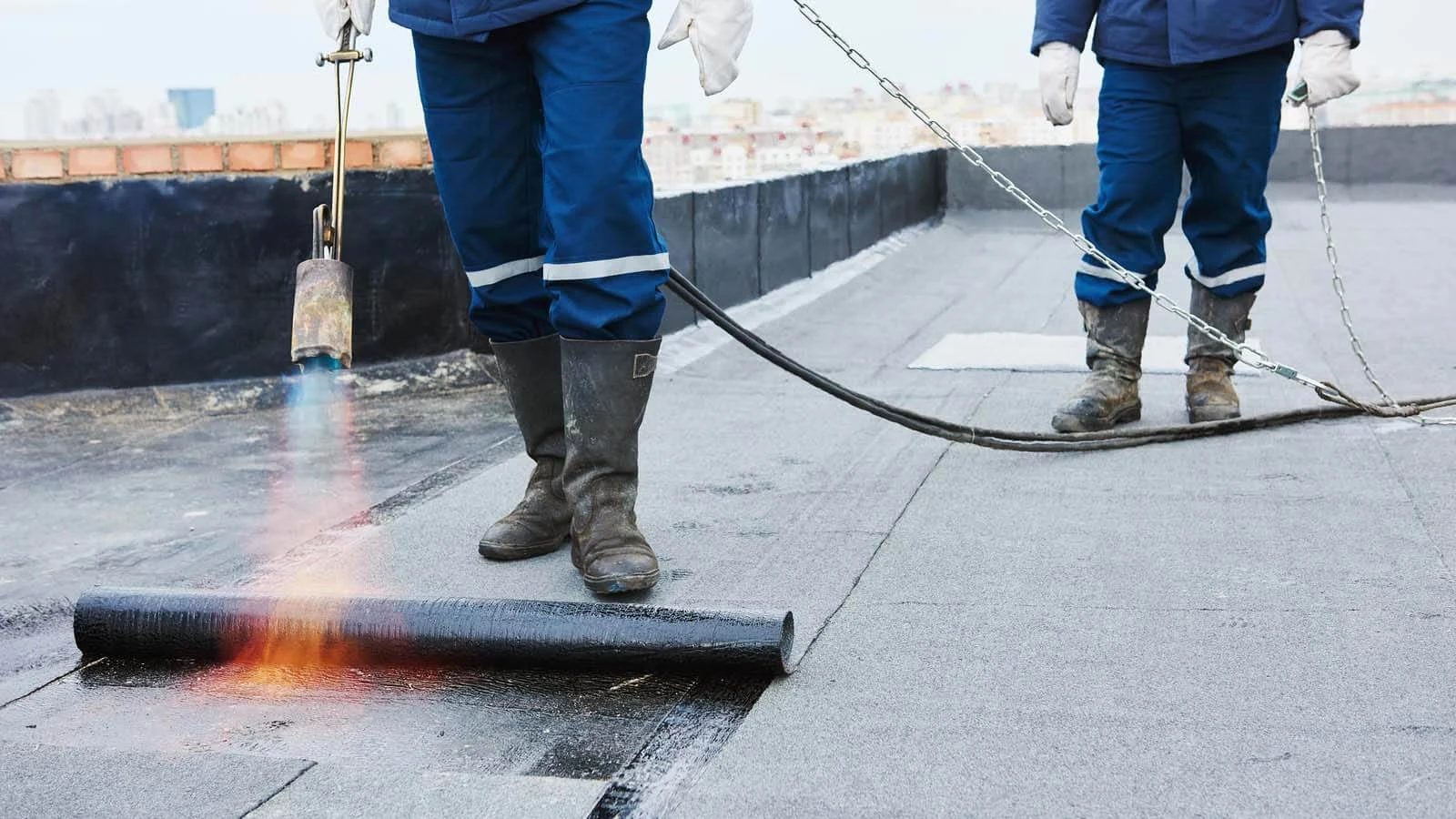
Legacy Gravel Roofs Still in Service Downtown and on Campus
View project -
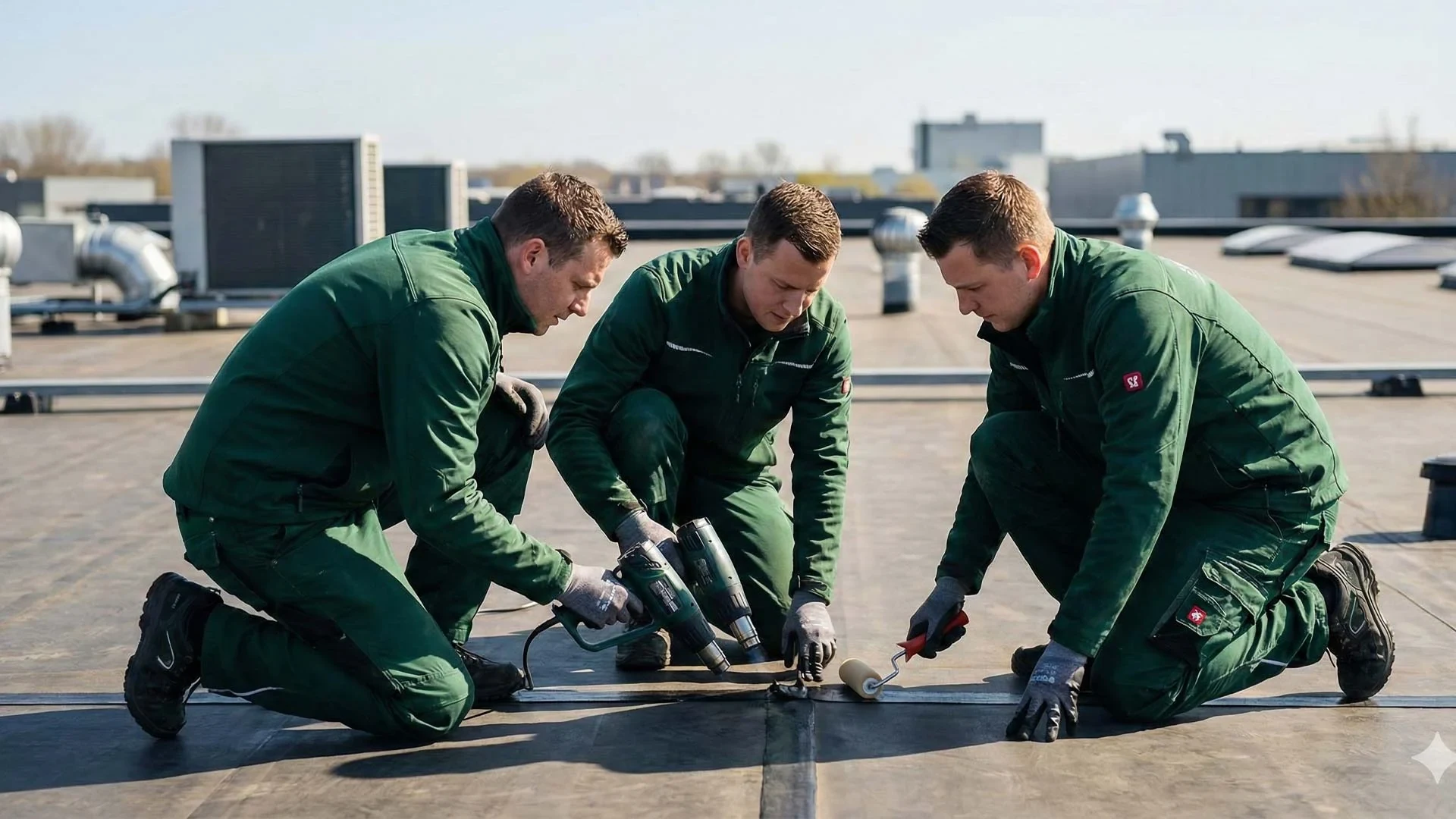
Reroofing Decisions for Lansing's State, Auto, and Campus Roofs
View project -
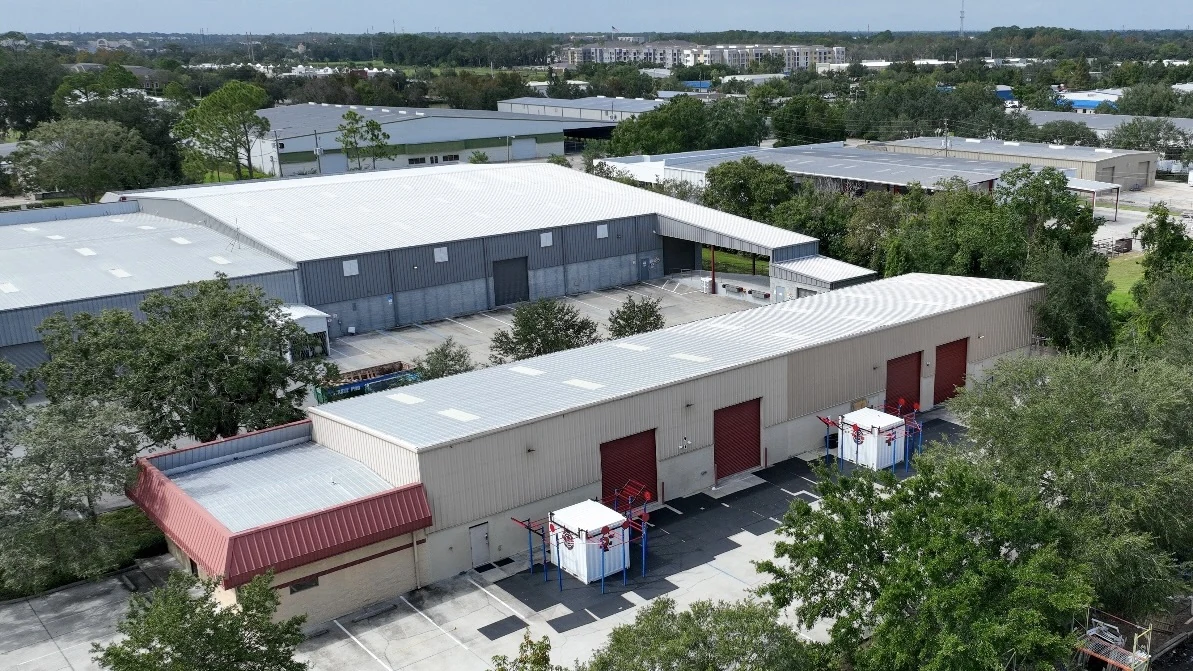
What a Roof Inspection Should Actually Tell a Lansing Owner
View project -
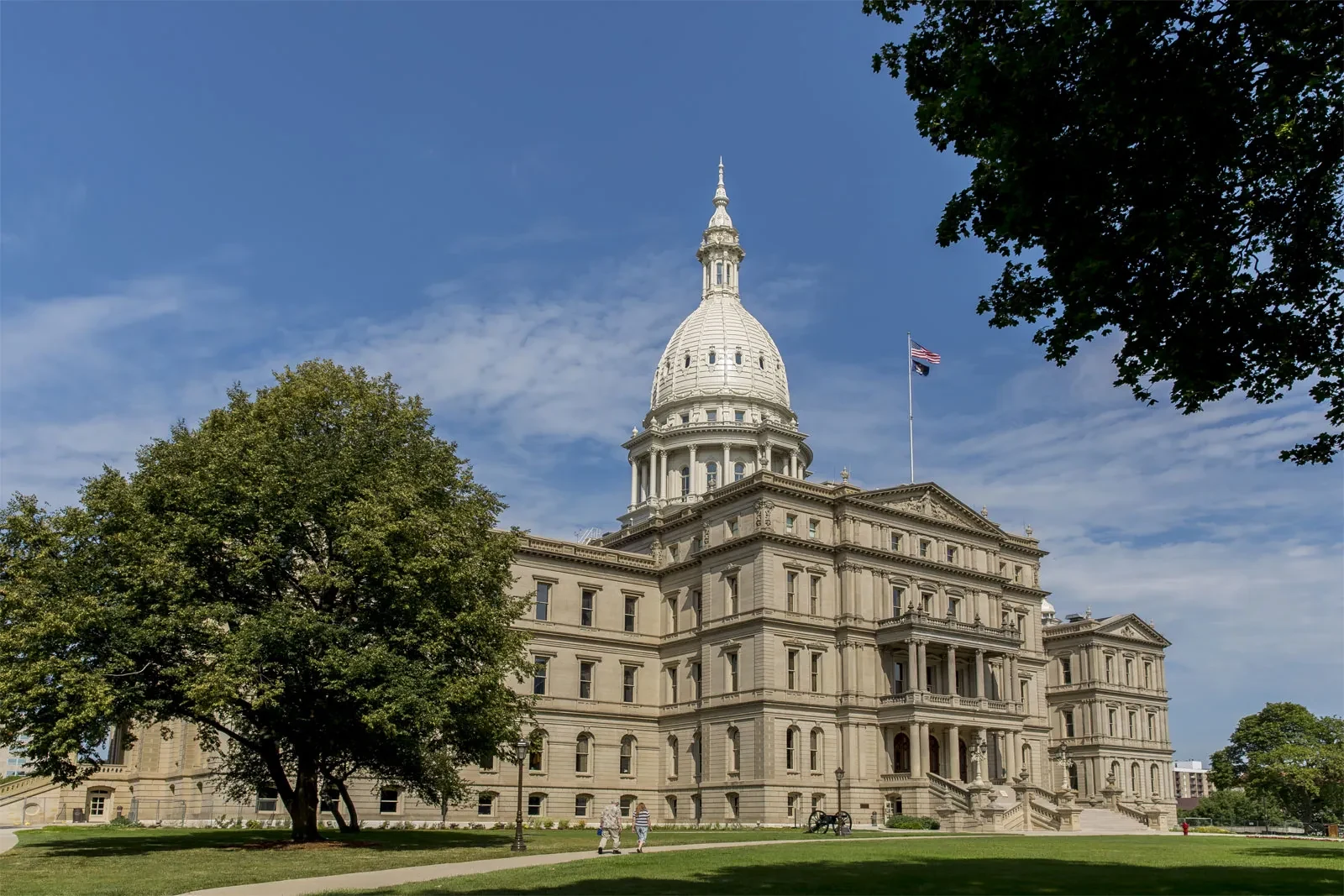
Holt's Roofs Are Smaller and the Repair-vs-Replace Math Is Tighter
View project