
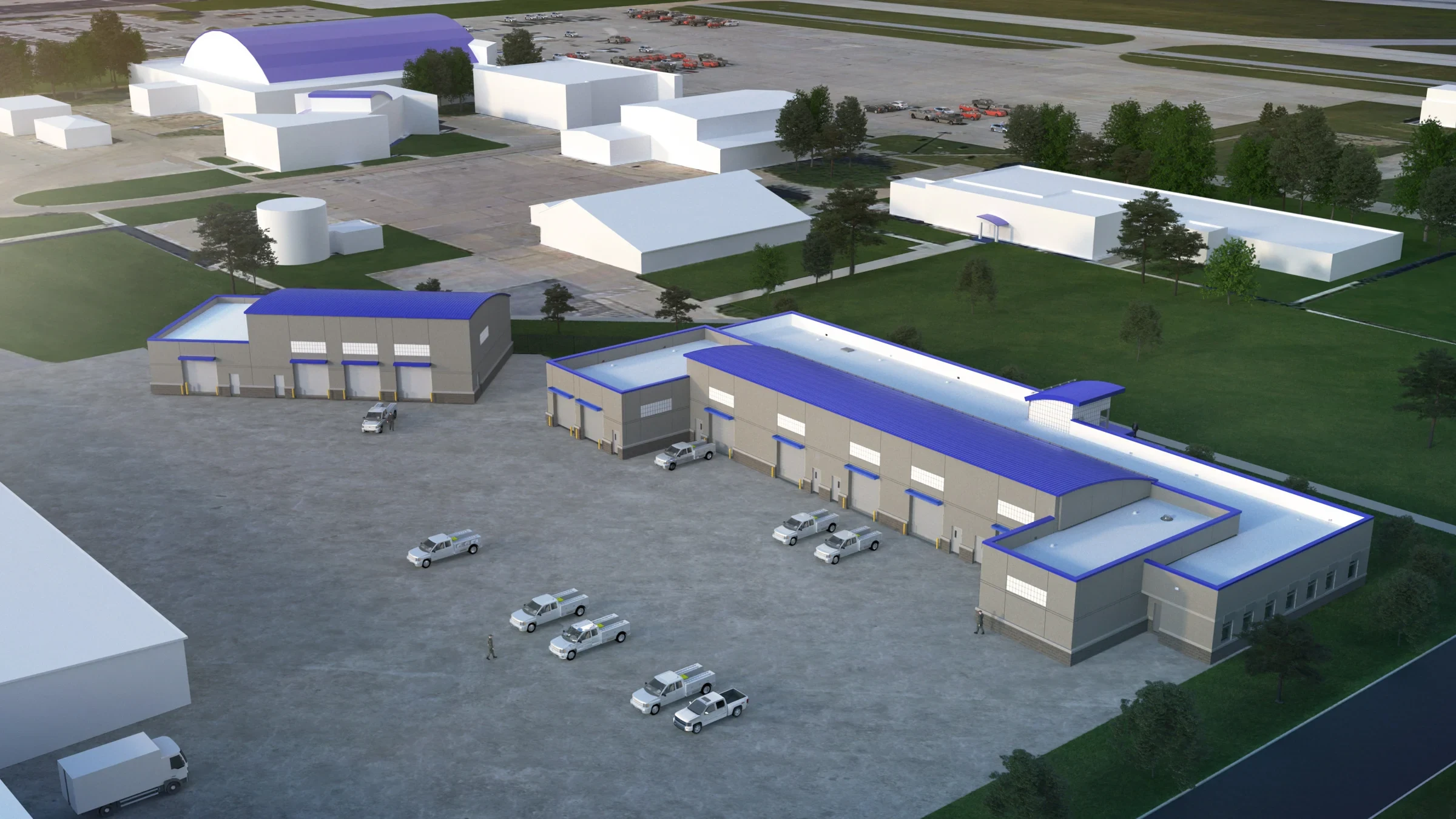
Government & Public-Sector Roofing in Lansing, MI
Lansing, Michigan
Roofing State, County, and City Buildings Through Michigan's Budget Calendar
Lansing is the state capital, which means the local roof stock includes state office buildings, an Ingham County courthouse and annex complex, city fire and police stations, and every Secretary of State branch and public library in between. Public roofs answer to a bid file and a budget line before they answer to anything else, and the freeze-thaw winters here are hard on the flat and low-slope systems that cover most of them.
The Capital Outlay Cycle Sets the Real Timeline
State building projects in Michigan move through a capital outlay process tied to multi-year appropriation cycles, not a phone call and a signature. A roof that needs replacing on a state office building along Ottawa or Allegan Street often shows up in a facilities condition report years before funding is approved, and the roofer who gets the work is the one who can produce a defensible condition assessment early, not the one who shows up after a leak.
County and city capital budgets move faster than the state's but still run on an annual or biennial planning calendar. Ingham County and the City of Lansing both work from a capital improvement plan that ranks projects by urgency and available funding, and a roof section that slips off this year's list has to wait for next year's unless it becomes an emergency.
We build our proposals to fit inside that process instead of around it. That means remaining-life estimates broken out by roof section, unit pricing that survives a line-item budget review, and phasing options that let a facilities director fund a project across two fiscal years if that's what it takes to get approved.
Bid Packages, Unit Pricing, and Prevailing Wage Documentation
Public agencies solicit formal bids, and the roofing scope in that bid package has to hold up against three or four competing proposals reviewed by staff who may not be roofing specialists. We write scope documents with manufacturer data sheets, wind uplift ratings, and insulation R-values spelled out, so the comparison between bidders is actually apples to apples.
Projects that require prevailing wage rate documentation get payroll records and certified wage forms submitted on the schedule the contracting agency sets, not chased down after the fact. A vague scope is where public roof projects go wrong. Change orders on a public contract are harder to approve than on a private job because the extra money usually has to go back through the same budget process that approved the original number, so we scope the work tight before it ever goes out to bid.
Freeze-Thaw Stress on Flat Roofs Across the Capitol Complex
Michigan winters put flat and low-slope membrane through repeated freeze-thaw cycling, and older built-up and modified bitumen systems on state and county buildings downtown show the wear from decades of it. Ponding water that sits on an aging roof freezes, expands, and works seams and flashing loose faster than a system with proper positive drainage.
Ice damming at parapet walls and roof drains is the other recurring issue on this building stock. When meltwater backs up behind an ice ridge and refreezes, it finds every weak seam and pushes water into the deck below, which on a records room, a server closet, or a courtroom is a much bigger problem than the roof repair itself.
Buildings That Cannot Close to the Public
A Secretary of State branch office, a courthouse, and a fire or police station cannot shut their doors while a roof gets replaced. We phase these projects section by section, staging material and equipment away from public entrances and scheduling the loudest work outside peak counter hours where the building's operations allow it.
Secured buildings add another layer of coordination. A courthouse or a Michigan State Police post may require credential checks, escorted access, or advance notice before a crew can get on the roof at all, and we build that lead time into the schedule instead of treating it as a surprise the morning work is supposed to start.
- State office buildings and agency headquarters
- County courthouse and administrative annex buildings
- City fire and police stations
- Secretary of State branch offices
- Public libraries
- Senior and community centers
- County health department and human services buildings
What a Deferred Roof Costs a Public Budget
A leak that reaches records storage, IT infrastructure, or a courtroom costs far more to fix than the roof section that let the water in. Emergency repairs pulled from a contingency line also tend to cost more per square foot than the same work planned and bid a year ahead, because there's no time to competitively price it.
We document roof condition on a recurring basis specifically so a facilities director has the paperwork to request capital funding before a system fails, not after. A dated inspection report with photos and remaining-life estimates is what turns a roof section from a hypothetical future problem into a line item a budget committee can actually approve.
What Facilities Directors and Procurement Staff Ask Us
Can you provide unit pricing broken into repair, recover, and replace line items for a board or council vote?
Yes. We separate those options with individual unit costs so a facilities director or council member can compare the near-term and long-term price difference in the same document.
Do you have experience working within a multi-year capital outlay funding schedule?
Yes. We phase scope and pricing to match how state, county, and city capital budgets actually get approved, including splitting a project across fiscal years when that's the only way it gets funded.
How do you handle site access at secured buildings like a courthouse or a state police post?
We coordinate credential checks, escort requirements, and any advance notice the building requires before scheduling crews, so access isn't a surprise on the day work is supposed to start.
What happens when a leak shows up mid-fiscal-year with no line item budgeted?
We stabilize the roof first with a tarp or emergency patch, then provide the documentation needed to request contingency funding or move the repair into next year's capital plan.
Can roof work be scheduled around a legislative session or court calendar?
Yes. We ask about session dates, docket schedules, and any public events before setting a start date, and we phase noisy work around them where the building's use allows it.
Ready to review the roof scope?
Related Industries We Serve
-
Roof Work Timed to the Academic Calendar, Not the Other Way Around
View project -

Roofing Scope for General Contractors Building in the Capital Region
View project -
Roof Work That Doesn't Interrupt Patient Care
View project -
Roof Documentation That Holds Up Through the Claims Process
View project -
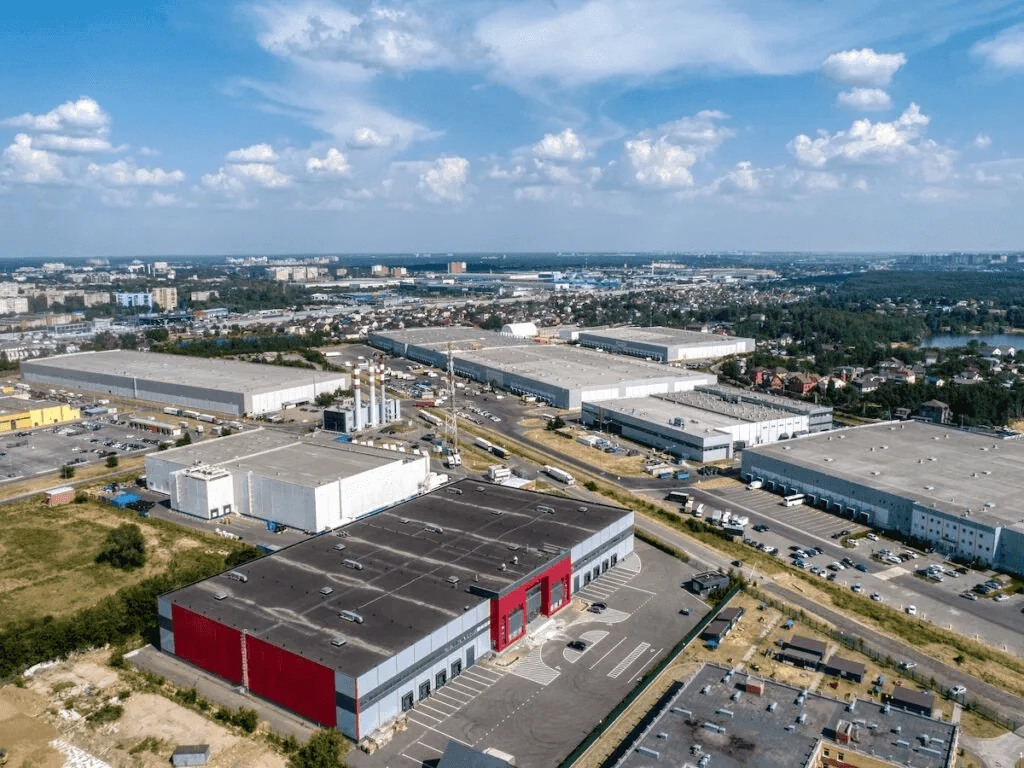
Roofing Over the Supplier Shops and Plants Around Lansing's Auto Industry
View project -
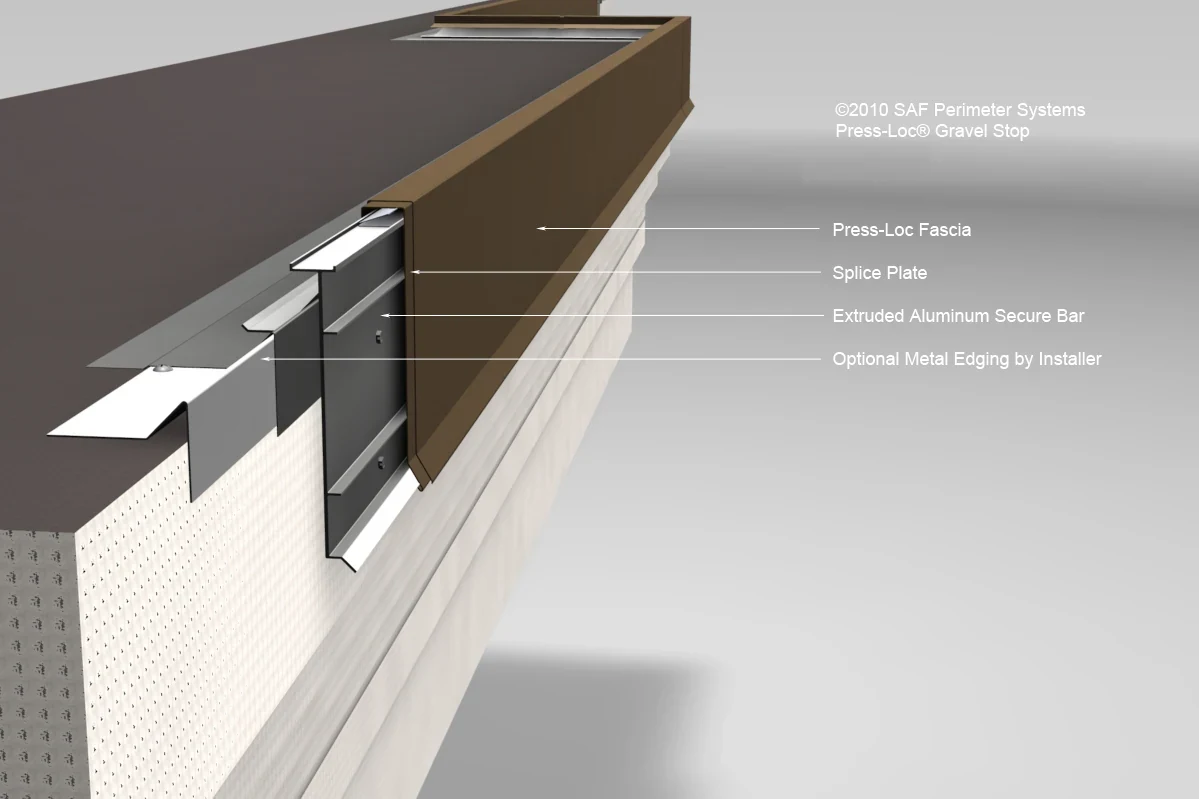
Edge Metal and Coping Are Where Most Lansing Roof Failures Actually Start
View project