
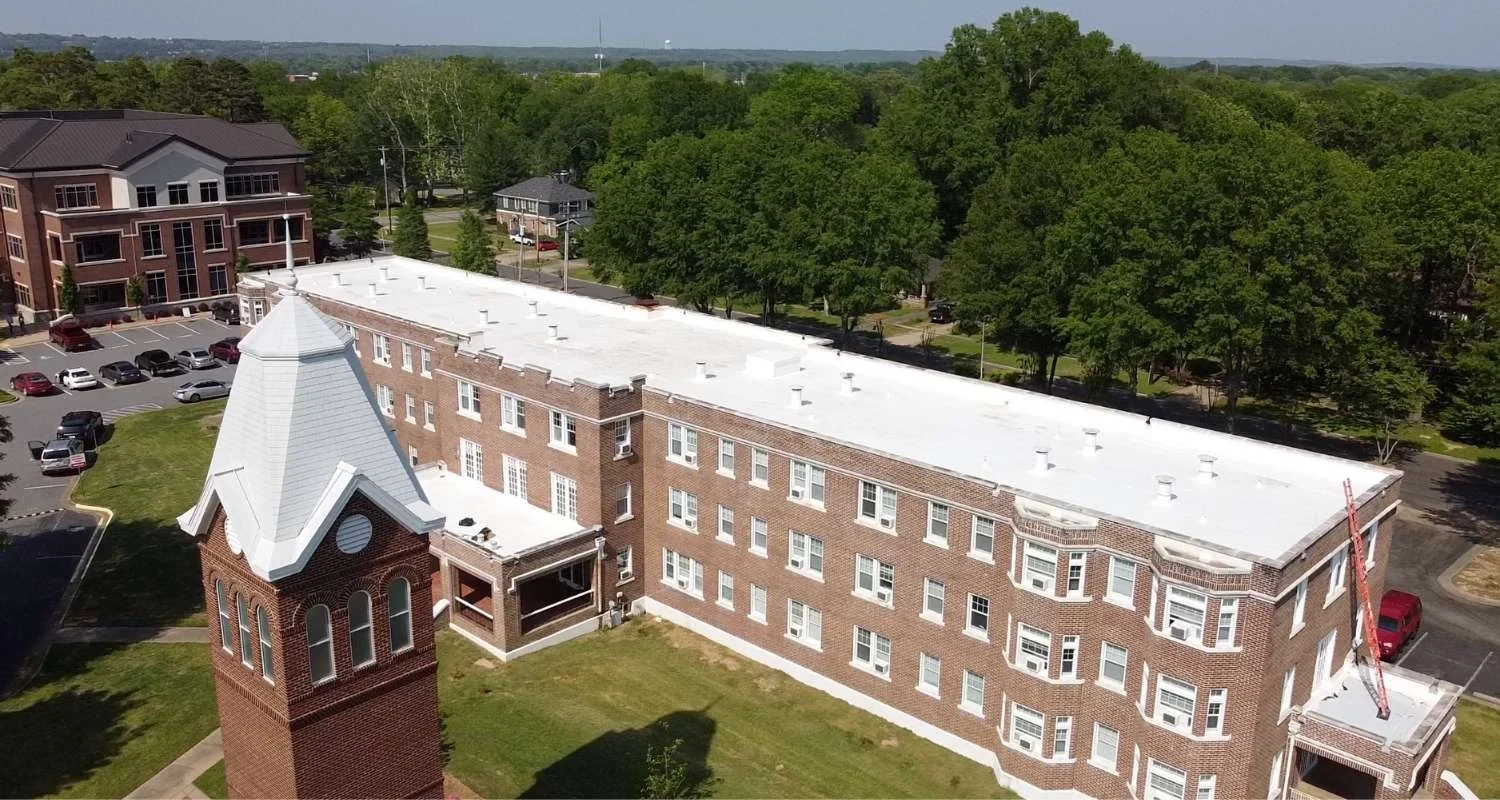
School and Campus Roofing in Lansing, MI
Lansing, Michigan
Roof Work Timed to the Academic Calendar, Not the Other Way Around
Michigan State University in East Lansing, Lansing Community College downtown, and school districts spread across Lansing, East Lansing, Okemos, Holt, Waverly, and DeWitt put a large share of the region's flat roof square footage on education campuses. Summer break is the real construction season for most of this building stock, and the schedule doesn't move for weather delays or a slow material order.
Summer Is a Deadline, Not a Suggestion
The window between the last day of school and the first day back in the fall is fixed, and a roof project that isn't watertight when students and staff return creates problems that go well beyond an unfinished punch list. We plan tear-off and replacement sequencing specifically to hit that date, working backward from the first day of school rather than forward from a contract signing.
A project that slips into the school year causes real friction with the district. Roof crews working over occupied classrooms create noise, dust, and safety concerns that most districts won't accept once students are back in the building, so a phasing plan that finishes on time matters more here than on almost any other type of project we handle.
We order material early specifically to protect that date. A membrane or insulation package that's back-ordered into July eats directly into the installation window, so we confirm availability before a district commits to a summer start date, not after.
Campus Buildings With Roofs That Never Go Empty
MSU's campus doesn't empty out the way a K-12 building does. Dormitories, dining halls, and athletic facilities run summer camps, conferences, and staff operations through the break, which means a roof project on campus needs closer coordination with building schedules than a district that's simply closed for the summer.
We sequence these projects section by section, keeping occupied wings dry and functional while work moves across the rest of the roof, rather than treating the whole building as available at once.
Move-in weekend and the start of fall classes are hard stops on a campus schedule the way the first bell is for a K-12 building. We plan backward from those dates the same way, and we flag early if a project's scope is putting a campus deadline at risk.
Aging Flat Roofs on Mid-Century School Buildings
A lot of the school building stock in the districts around Lansing dates to additions built between the 1950s and 1970s, many of them carrying built-up or modified bitumen roofs that are well past a reasonable service life. Ponding water and saturated insulation are common findings on these older low-slope sections.
Before recommending a full replacement, we run a moisture survey to find out how much of the insulation underneath is actually wet. A roof that tests dry in most areas might only need a recover in those sections, and that distinction matters a lot to a district working within a fixed capital budget.
Budgeting Roof Replacement Against a District's Bond Cycle
Most district capital projects, including roof replacement, get funded through a bond proposal that residents vote on, and roof work often gets bundled into a larger package alongside HVAC or security upgrades. We provide condition assessments districts can use to prioritize which roof sections go into a bond scope and which can wait for the next cycle.
Districts that phase a bond over several buildings need to know which roof is closest to failure and which one has a few more seasons left. We rank sections by remaining life and risk rather than by square footage alone, so limited bond dollars go where they matter most first.
Coordinating With Facilities Staff Who Wear Several Hats
A district facilities director is often managing HVAC, grounds, and security alongside the roof, with far less bandwidth than a dedicated capital projects office. We keep communication direct and infrequent rather than burying a small facilities team in weekly status calls they don't have time for.
We also flag issues that affect other trades working the same summer window, like a roof drain tie-in that needs to happen before a paving crew closes off a section of parking lot, so scheduling conflicts get caught before they cost a week.
- K-12 elementary and middle school buildings
- High school gymnasium and fieldhouse roofs
- District administration and bus garage buildings
- Community college classroom and lab buildings
- University dormitory and dining hall roofs
- Campus athletic facility roofs
What District Facilities Staff and Campus Planners Ask
Can a full roof replacement realistically happen in a single summer break?
For most single-building sections, yes, if the project is scoped and material ordered well ahead of the break. Larger campuses or multiple buildings sometimes need a phased multi-summer plan.
How do you handle noise and dust restrictions on an occupied campus building?
We schedule the loudest work during the hours the building allows and use containment where equipment or debris could affect indoor air quality in occupied wings.
What's involved in a moisture survey before we commit to full replacement?
We scan the roof to identify areas of wet insulation, then map those findings against the roof so a district knows exactly which sections need replacement and which can be recovered.
Can you provide documentation districts need for a bond-funded capital project?
Yes. We provide condition assessments and cost estimates in a format that supports a bond package or a board presentation.
Do you work weekends or nights to avoid disrupting summer camps and events on campus?
We can, and we coordinate that schedule directly with campus facilities staff around whatever camps, conferences, or events are running during the work window.
Ready to review the roof scope?
Related Industries We Serve
-

Roofing Scope for General Contractors Building in the Capital Region
View project -
Roofing State, County, and City Buildings Through Michigan's Budget Calendar
View project -
Roof Work That Doesn't Interrupt Patient Care
View project -
Roof Documentation That Holds Up Through the Claims Process
View project -
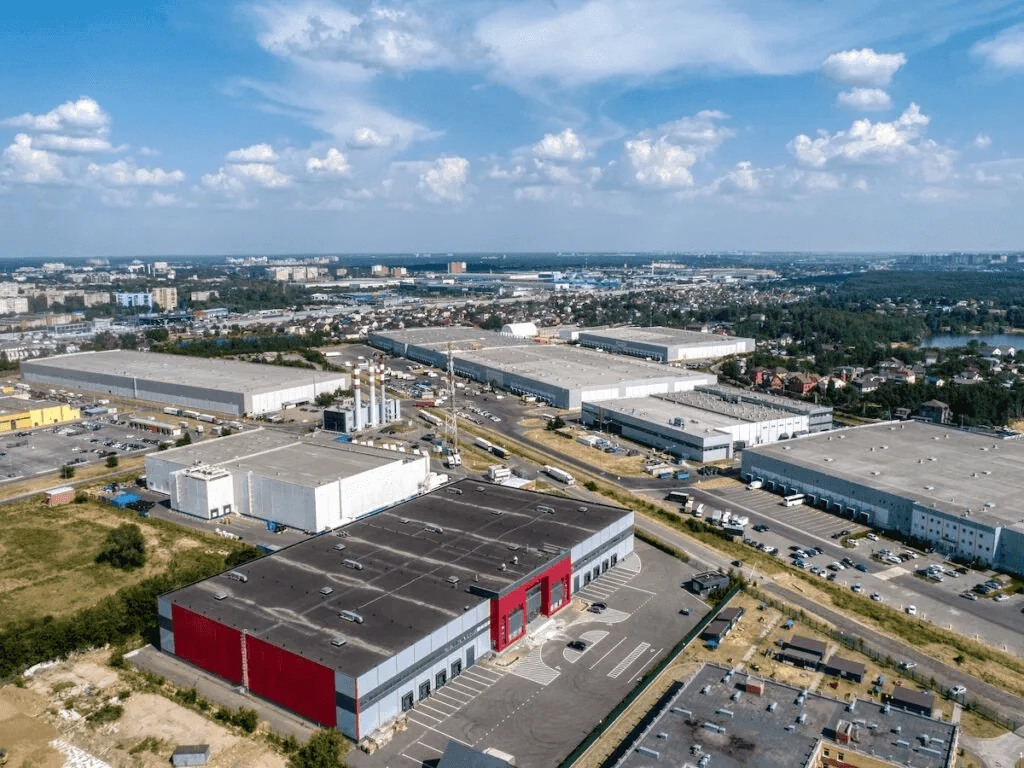
Roofing Over the Supplier Shops and Plants Around Lansing's Auto Industry
View project -
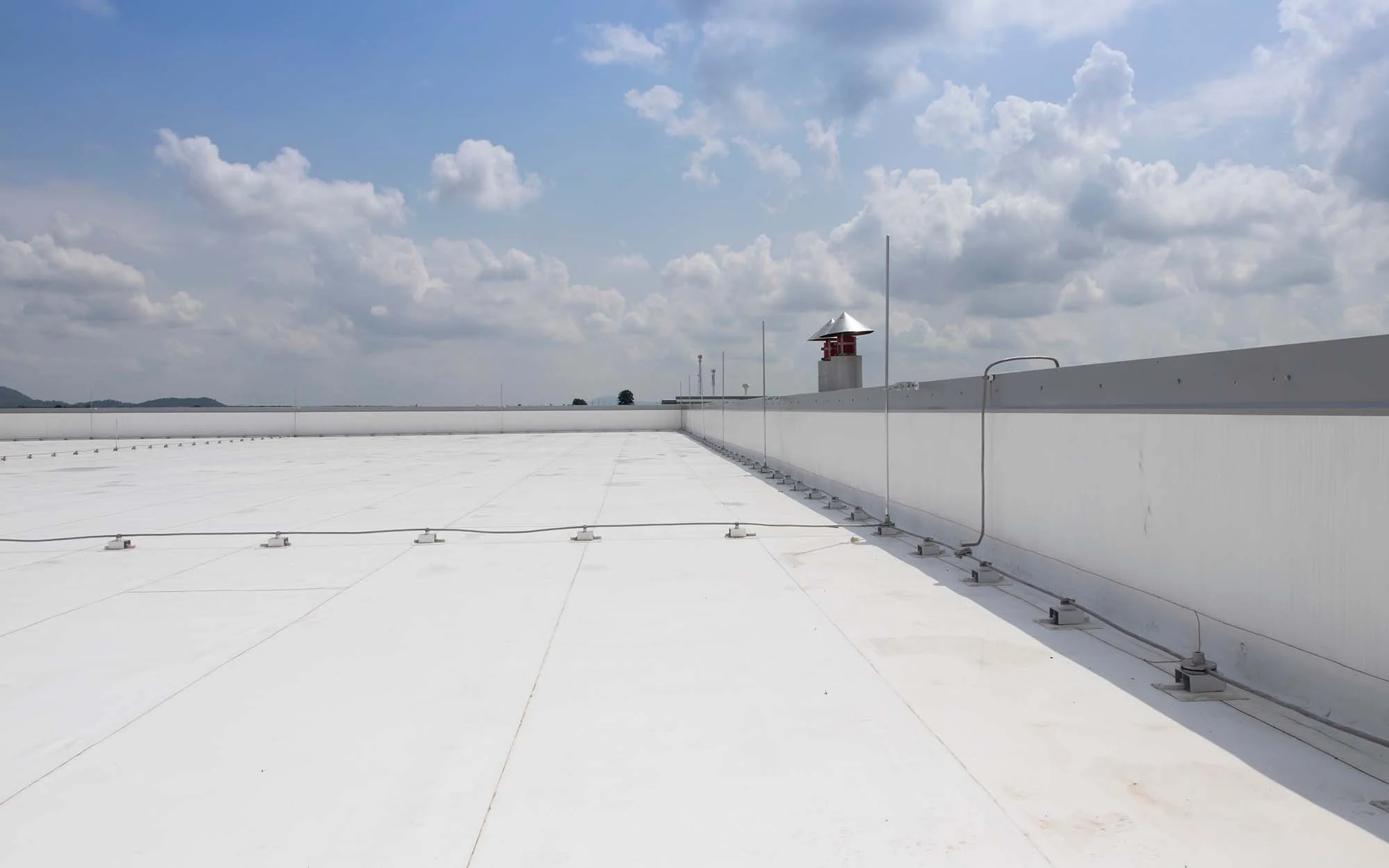
PVC Roofing Where Exposure, Not Price, Should Drive the Decision
View project