

Storm Damage Roof Documentation in Lansing, MI
Lansing, Michigan
Roof Documentation That Holds Up Through the Claims Process
Mid-Michigan takes spring and summer straight-line wind and hail from storm cells moving through the region, and it takes ice damming from freeze-thaw cycling every winter. We document roof damage the way an adjuster needs to see it, and we don't promise a claim outcome, because that isn't ours to promise.
What Actually Damages a Flat Roof Here
Hail bruises and sometimes fractures membrane surfaces, particularly on older systems that have already lost some flexibility. Wind uplift shows up first at parapet edges and around rooftop unit curbs, where the membrane is most exposed to being lifted and torn. Winter brings a different problem: ice dams and ponding water that freezes and refreezes at seams and drains until something splits.
Not every roof problem an owner notices after a storm is actually storm damage. Adjusters draw a hard line between storm-caused damage and ordinary wear that happened to get noticed after a storm, and we make that same distinction before we ever describe something as storm-related in our documentation.
Spring is the season we see the most call volume, when fast-moving storm cells bring both hail and straight-line wind through mid-Michigan within the same afternoon. A roof can take both kinds of damage in a single event, which is part of why the documentation has to be specific about what happened where.
Documentation Before the Adjuster Ever Walks the Roof
We take dated photographs, run a moisture survey where water intrusion is suspected, and sketch the affected area against the specific storm date being claimed. This record exists independent of any insurance company and stands on its own regardless of how the claim proceeds.
We also provide a written scope of damage and repair estimate that an adjuster can compare directly against their own findings, which speeds up the review process more than a vague description of what happened ever does.
Test cuts help settle disputes over hidden damage, particularly on a membrane that looks intact from above but has water trapped in the insulation below. We only pull a test cut where the evidence points to it, and we document the finding either way, whether or not it supports a bigger claim.
Emergency Tarp and Dry-In While the Claim Moves
A claims review can take weeks, and interior damage keeps compounding the entire time a roof stays open to weather. We tarp and dry-in the affected area immediately regardless of where the claim stands, because protecting the building comes first.
This also protects the claim itself. Ongoing, uncontrolled water intrusion after initial damage complicates a coverage review in ways that a documented, mitigated roof does not.
Working With the Building Owner's Adjuster and Public Adjuster
We provide the technical roofing information both a carrier's adjuster and any public adjuster the owner has hired will need, but we don't represent either side in the negotiation. Our job is documenting conditions on the roof accurately.
Our repair or replacement recommendation is grounded in the actual damage we find, not in whatever scope would maximize a claim payout. That's the only way our documentation holds up if a claim gets questioned later.
Repair Versus Full Replacement After a Storm
A storm doesn't always mean the whole roof needs to come off. When damage is limited to a specific area, a targeted repair can be the right call, and we say so even when a full replacement would be the bigger job for us. When damage is widespread across an aging system, we explain why a repair-only approach would likely fail again within a season or two, so the owner can weigh that against the cost difference with real information.
Coverage decisions sometimes hinge on this exact distinction, since a carrier reviewing a claim wants to know whether they're paying to fix storm damage or to upgrade an aging roof that was already near replacement. We keep those two categories separate in our documentation so the claim reflects what the storm actually did, and so an owner isn't surprised later by a coverage dispute over pre-existing wear that got mixed into the original scope.
- Wind-lifted membrane and flashing at parapet edges
- Hail-bruised or fractured membrane surfaces
- Ice-dam splits at drains and field seams
- Rooftop unit curb and duct damage from wind
- Tree limb and wind-borne debris punctures
What Owners Ask When a Claim Is in Process
Will you guarantee my claim gets approved?
No, and we won't tell you otherwise. We document conditions accurately and provide the technical information a carrier needs; the coverage decision belongs to the insurance company.
How fast can you get a tarp on the roof after a storm?
Active leaks get treated as an emergency, and we prioritize getting a temporary tarp or dry-in in place as fast as crew and material availability allow.
What documentation do you provide for the adjuster's file?
Dated photographs, a written scope of damage, and moisture survey results where applicable, organized against the specific storm date being claimed.
Can you work with a public adjuster we've already hired?
Yes. We'll provide the same technical documentation to a public adjuster that we would to a carrier's adjuster.
How do you tell hail damage apart from a roof that was already near the end of its life?
We look at membrane condition, flashing wear, and drainage patterns across the entire roof rather than only the spot an owner points to, and we're direct about what we find either way.
Ready to review the roof scope?
Related Industries We Serve
-

Roofing Over the Supplier Shops and Plants Around Lansing's Auto Industry
View project -
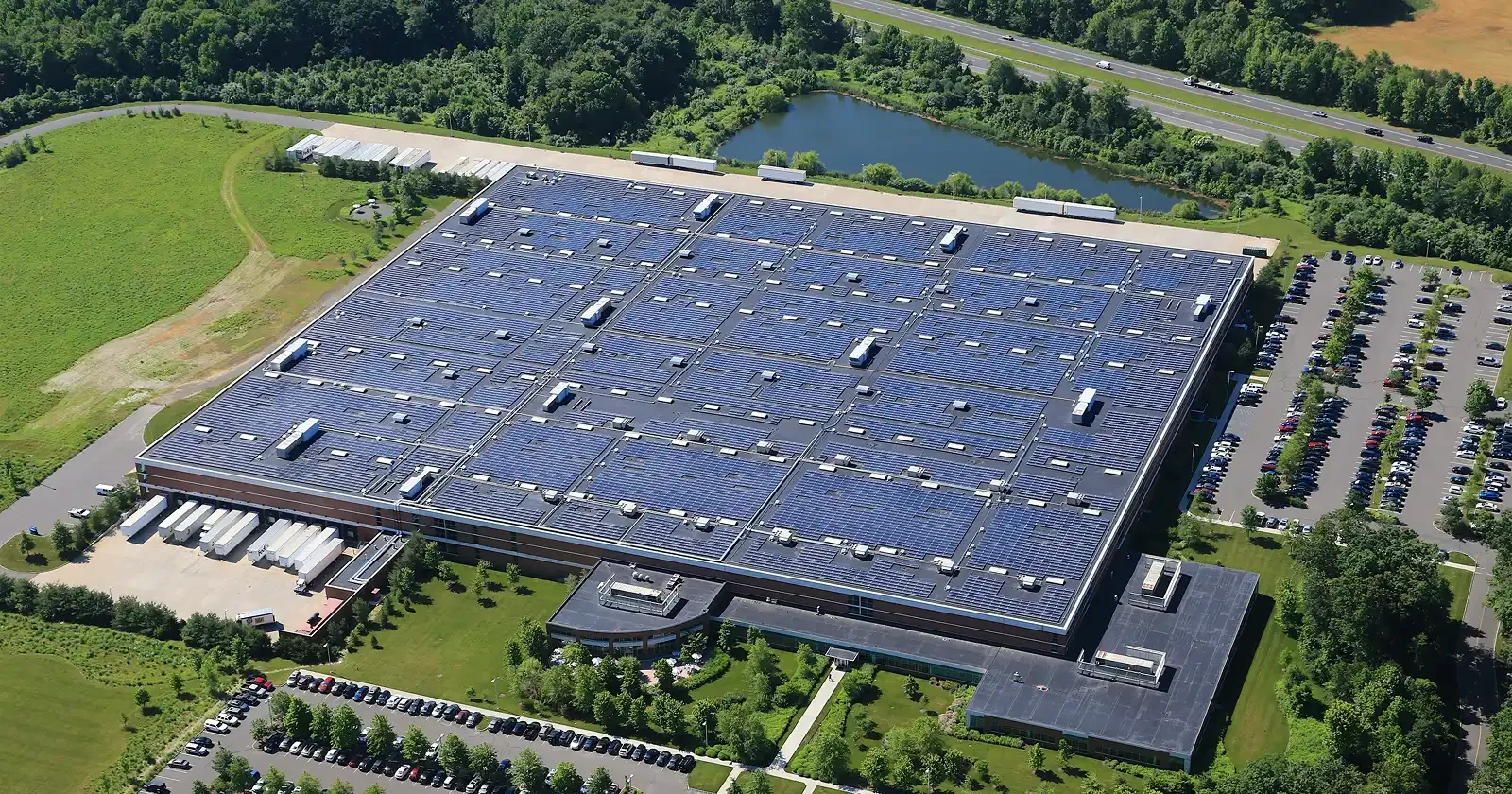
One Roofer Across a Multi-Building Portfolio Instead of Ten
View project -
Keeping Stores Open While the Roof Above Them Gets Fixed
View project -
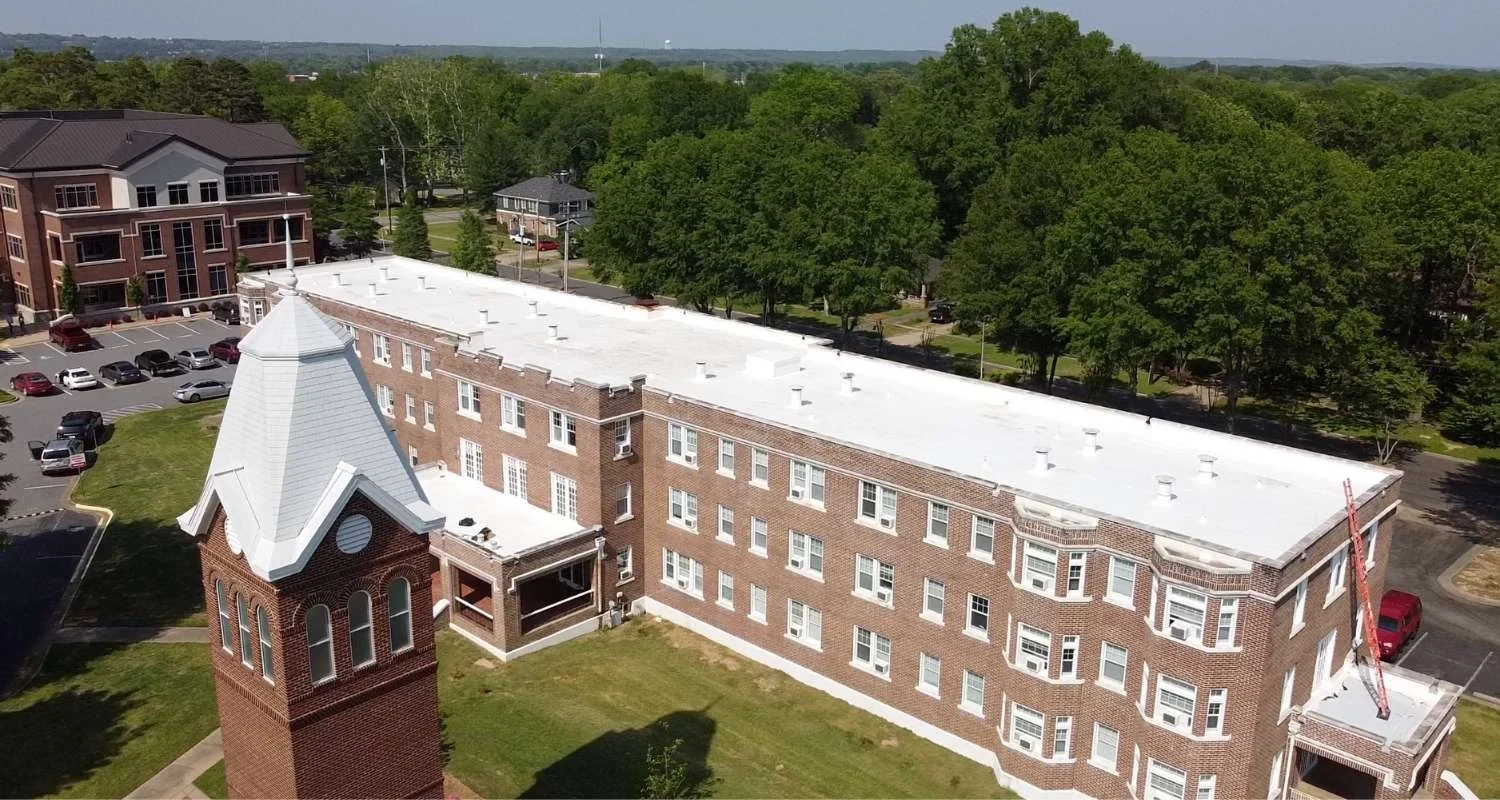
Roof Work Timed to the Academic Calendar, Not the Other Way Around
View project -

Roofing Scope for General Contractors Building in the Capital Region
View project -
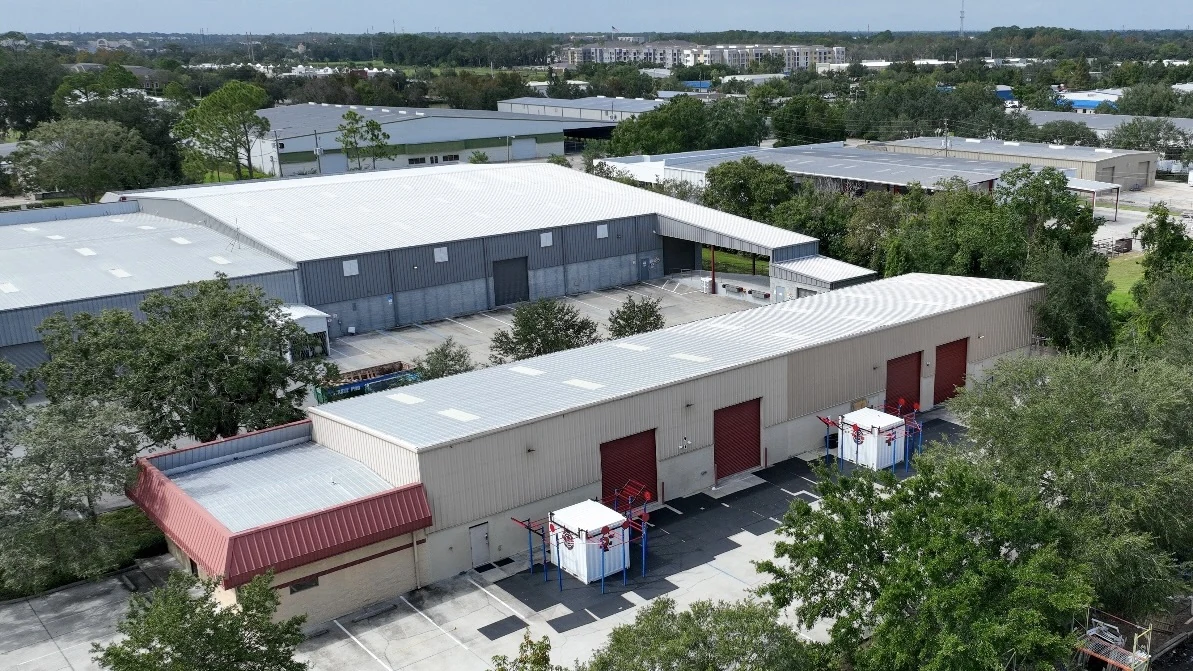
What a Roof Inspection Should Actually Tell a Lansing Owner
View project