
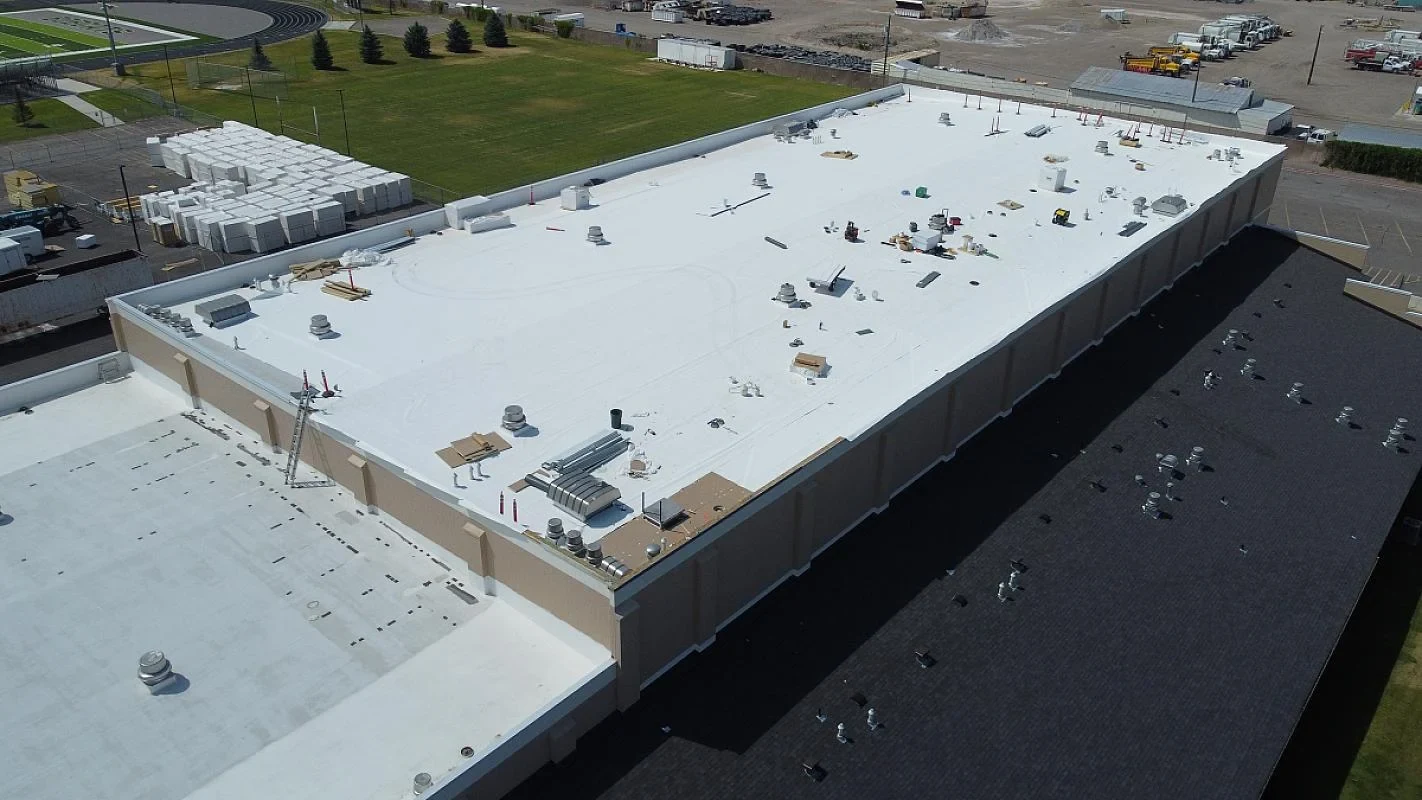
K-12 School Roofing in Lansing, MI
Lansing, Michigan
Fitting a Roof Replacement Into a Ten-Week Summer
School districts across the Lansing area, from Lansing School District to East Lansing and the smaller districts in Haslett and Okemos, all work with the same constraint: a roof project has to fit inside summer break or it doesn't happen at all. We plan school roofing around that calendar first and everything else second.
Summer Break Is a Deadline, Not a Suggestion
A ten-week summer window sounds generous until it's split between multiple maintenance projects competing for the same crews and the same building access. We build school roof proposals with a hard finish date tied to the first day of staff professional development, working backward from that date to set material order deadlines and crew size, rather than starting with how long the job will take and hoping it fits.
Missing that window doesn't mean finishing a week late. It usually means stopping mid-project and returning the following summer, which leaves a building under a temporary roof condition for an entire school year. We treat that outcome as unacceptable and plan accordingly.
Older School Buildings Can Hide Asbestos in the Roof Assembly
A lot of school buildings across the region were built or added onto during decades when asbestos-containing materials were standard in roofing insulation and mastic. Before we open up an older school roof, we check the district's existing hazardous materials survey, and if one doesn't exist or doesn't cover the roof assembly, we recommend testing before demolition starts.
Finding asbestos mid-project doesn't just add cost, it adds an abatement timeline that can blow through the summer window entirely if it's not accounted for from the start. We'd rather find out in the planning phase than during week six of a ten-week job.
Bond Funding Decides Which Buildings Get Fixed First
Most school district roof projects run through a bond or sinking fund vote, which means the roof that gets fixed first isn't always the one leaking worst, it's the one that made it into the approved bond language. We help facilities directors build a roof condition assessment that supports the bond case, ranking buildings by actual remaining service life rather than by which one generated the most recent complaint.
That kind of documentation matters when a district is trying to explain to voters or a school board why one building gets a full replacement while another gets deferred maintenance for another cycle.
We've sat in on board meetings where a facilities director needed to answer pointed questions about why a newer-looking building was skipped in favor of an older one. Having a clear, building-by-building condition ranking in hand turns that into a straightforward explanation instead of a defensive one.
- Elementary school classroom wings
- Middle and high school main buildings
- Gymnasiums and field houses
- Cafeteria and kitchen roof sections
- Portable and modular classroom units
- District administration and bus garage buildings
Gymnasium and Cafeteria Roofs Carry Different Loads Than Classroom Wings
A school gymnasium roof typically spans a wider clear distance than a classroom wing, with less structural support underneath, and a cafeteria roof often carries kitchen exhaust penetrations that need the same careful flashing attention as any commercial kitchen. Treating every section of a school building as one uniform roof spec misses the different structural and mechanical realities of each part.
We break a school roof project into these distinct sections during the assessment phase, since the gym often needs different snow load consideration than the classroom wings next to it, even under the same roof system.
Keeping the Work Contained When Staff Are Back Before Students
Teachers and staff typically return to buildings before students do, which means the last stretch of a summer roof project sometimes overlaps with building occupancy even inside the empty summer window. We coordinate final cleanup, material removal, and any remaining exterior work around that staff return date, keeping walkways, parking, and entrances clear well before the first day back.
A roof crew still finishing punch-list items during staff in-service week creates a bad first impression for the school year, so we build in enough finish-line buffer to avoid that overlap entirely.
We also walk the finished roof with the building principal or head custodian before calling a project complete, since they're the ones who'll be fielding questions from staff about anything left visible from the ground, whether that's staging marks on the lawn or equipment still parked near a loading area.
What School Boards and Superintendents Want to Know
Can a full roof replacement realistically finish in one summer?
For most single-building projects, yes, if material is ordered early and crew size matches the scope. Larger campuses sometimes need a multi-summer phased approach.
How do you handle asbestos in older school roof assemblies?
We check existing hazmat surveys before demolition and recommend testing if the roof assembly hasn't been covered, building any needed abatement into the schedule up front.
What documentation do you provide to support a bond funding request?
A condition assessment ranking buildings by remaining service life and risk, which districts can use directly in bond planning and board presentations.
Do gymnasiums need a different roof system than classroom buildings?
Often, given the wider clear span and different snow load behavior, so we assess gym and classroom sections separately even within the same building.
What happens if the project runs past the start of the school year?
We build enough schedule buffer to avoid that outcome, but if weather or an unexpected condition threatens the timeline, we flag it early rather than at the deadline.
Ready to review the roof scope?
Related Commercial Project Types
-
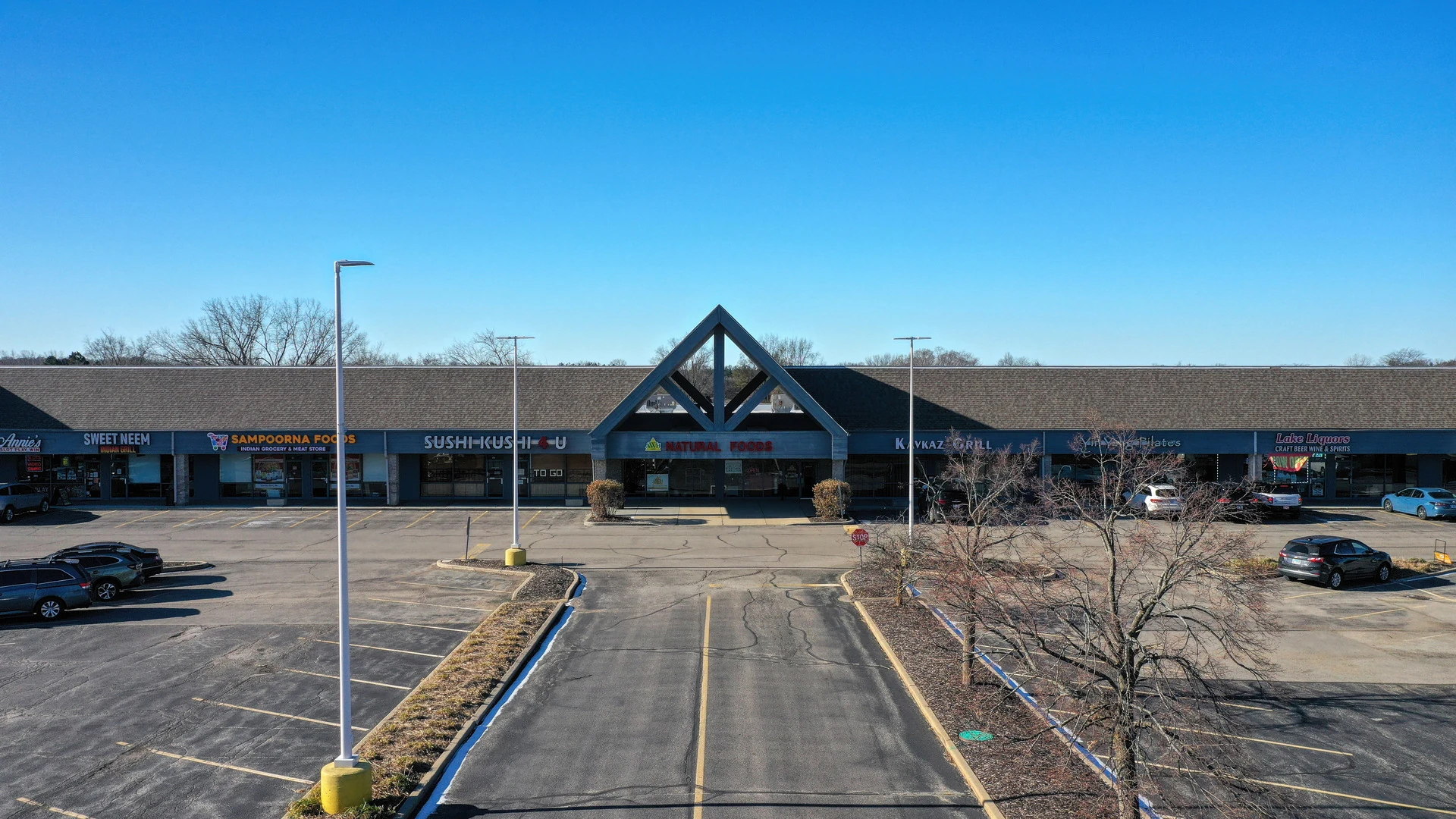
Roofs Carrying More Refrigeration Than Most Retail Buildings Ever Will
View project -
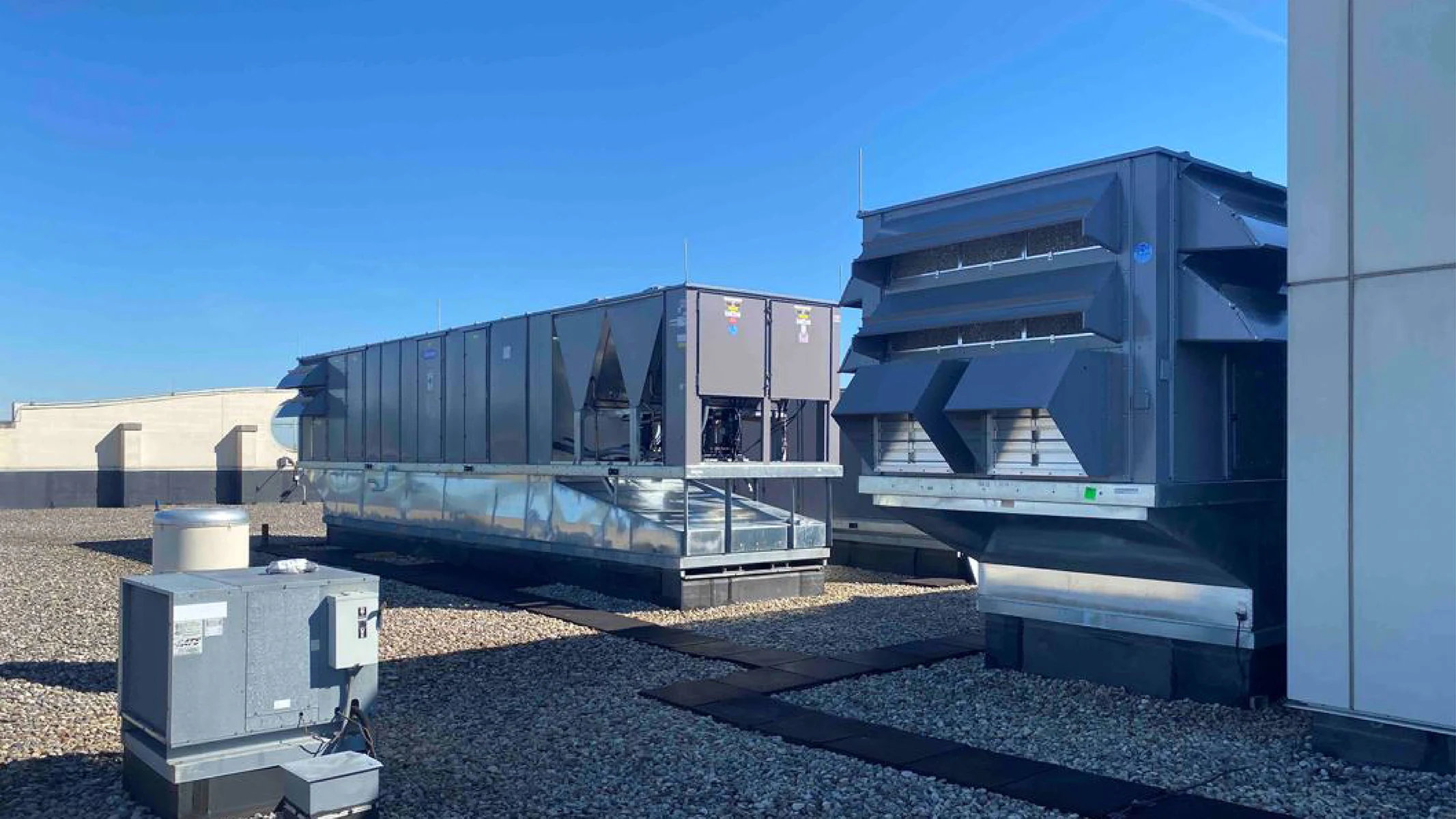
Roofing a Campus the Size of a Small City
View project -
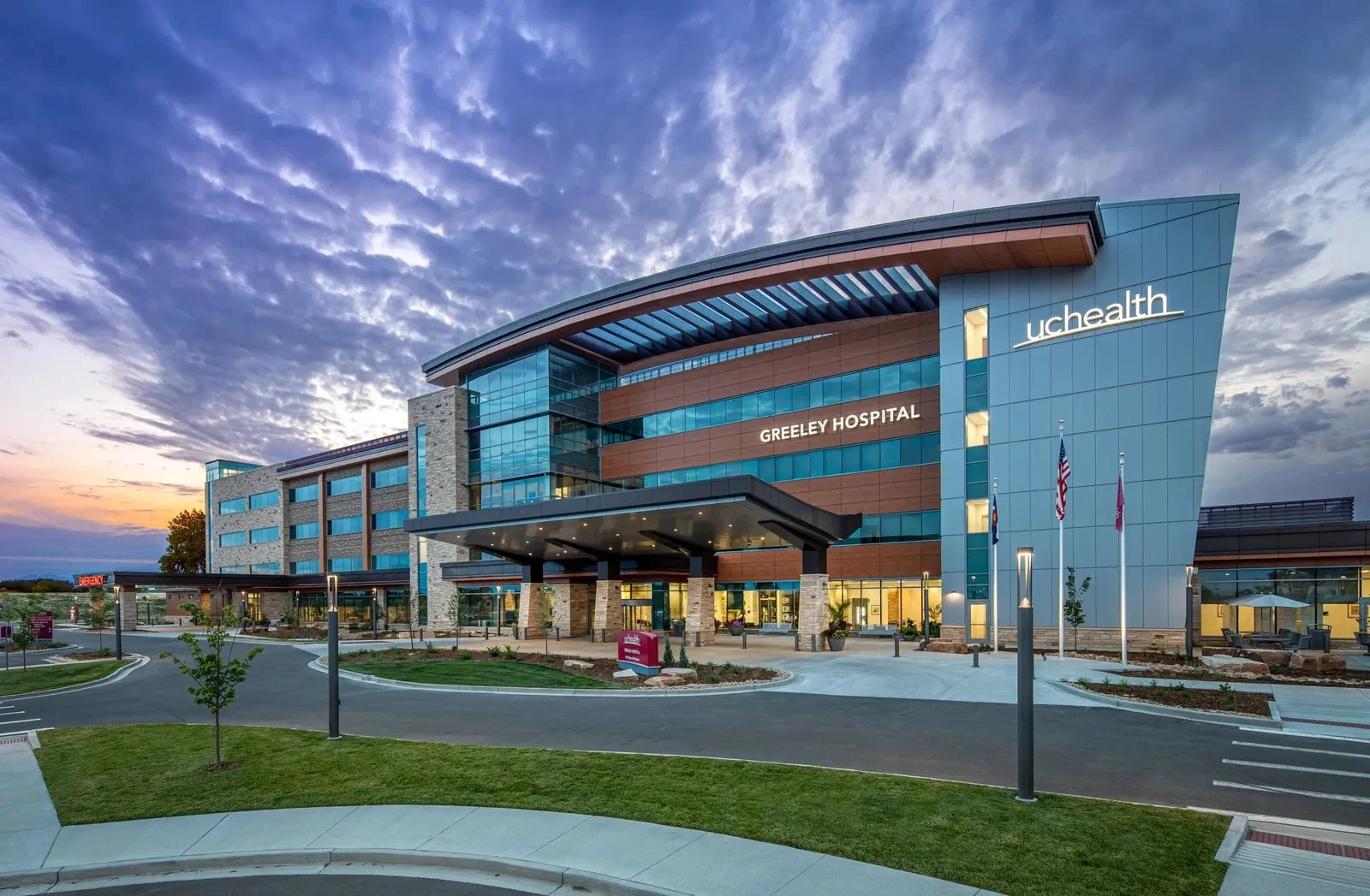
Roof Work Over Buildings That Never Close
View project -
Roofs Over Practices That Can't Reschedule a Full Waiting Room
View project -
Roofing Over People Who Are Home While We Work
View project -
Repairing Lansing Roofs After Wind, Ice, and Derecho Damage
View project