
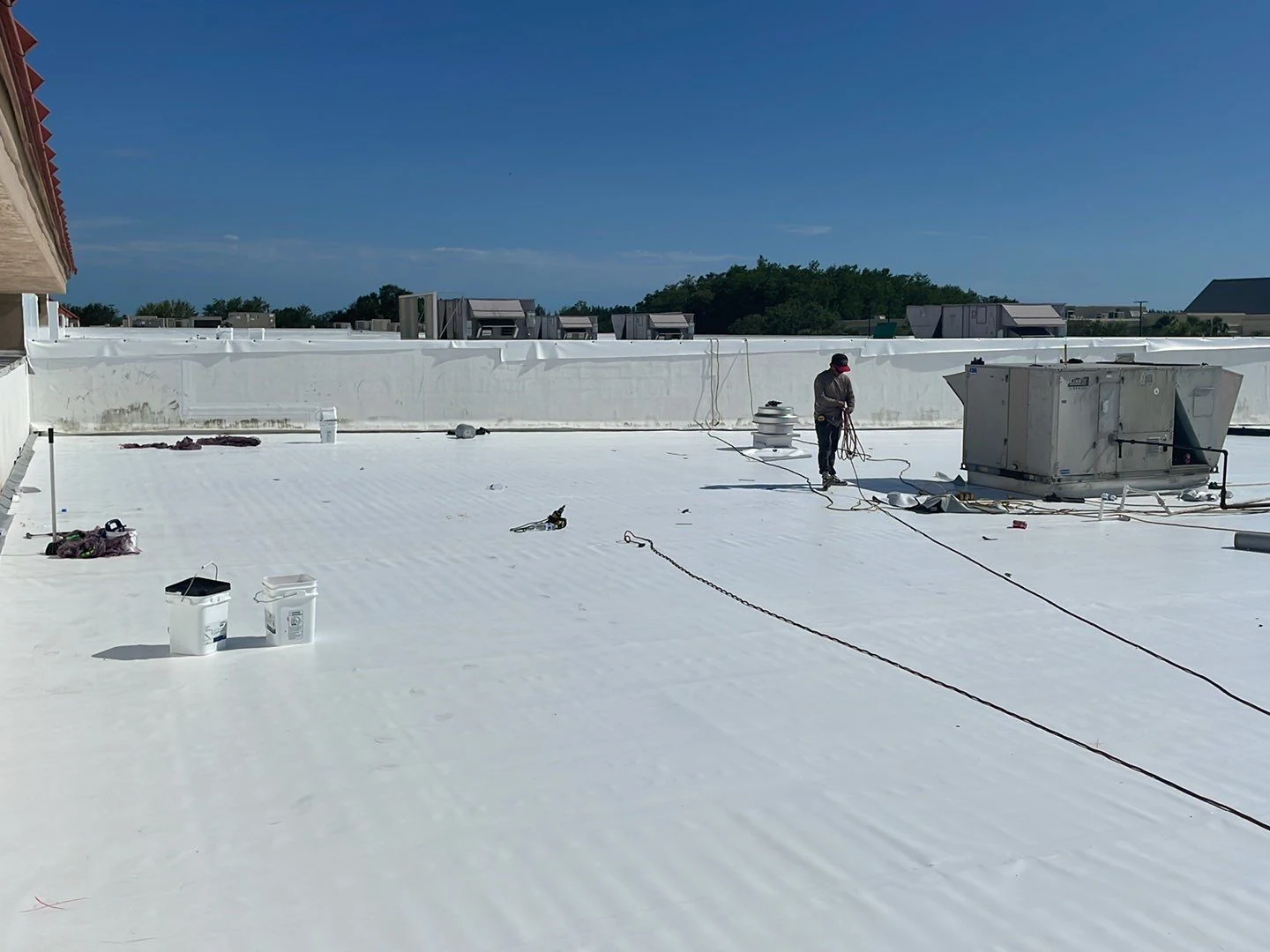
Carlisle SynTec Roof Systems in Lansing, MI
Lansing, Michigan
Specifying Carlisle SynTec Systems for Lansing Commercial Roofs
Carlisle SynTec makes single-ply membrane in TPO, EPDM, and PVC, along with the accessories, fasteners, and coatings that go with a complete roof assembly. When a project calls for a Carlisle system, the decision is more involved than picking a brand off a bid sheet, it's matching the right membrane category and attachment method within that product line to the building, the climate, and the budget.
Why the Membrane Category Matters More Than the Brand
Carlisle offers TPO in multiple thicknesses, EPDM in black and white, and PVC for chemical or grease-exposed roofs, which means the manufacturer name on the spec sheet tells you less than the membrane category underneath it. We start every project by figuring out what the roof actually needs to survive, and then look at which product within a given manufacturer's line meets that need, rather than starting from a brand preference and working backward.
On a school or office roof around downtown Lansing or Okemos, that usually points toward standard TPO. On a grocery or process building, it points toward PVC. The manufacturer's name is the same either way; the product and the installation detail are what actually determine performance.
We also account for how a building's use might change over time. A warehouse converted to light assembly work, for example, can end up with more rooftop equipment and foot traffic than the original spec anticipated, which sometimes means revisiting membrane thickness even within the same manufacturer's product family.
Attachment Method and Freeze-Thaw Performance
Fully-adhered, mechanically-attached, and ballasted attachment methods all behave differently through Michigan's freeze-thaw cycling, regardless of manufacturer. Mechanically-attached systems put more stress on fastening plates as the membrane contracts in cold weather, while fully-adhered systems distribute that movement across the full bonded surface. We choose attachment method based on the building's wind exposure, deck condition, and how the roof has historically performed, ahead of what's cheapest to install.
On older buildings around Grand Ledge and Charlotte with plant-era decking, deck condition often determines attachment method before membrane brand even enters the conversation, since a deteriorated deck may not hold fasteners reliably regardless of which manufacturer's system goes on top.
Ballasted attachment adds a third option on buildings where the structure can support the added weight, particularly on larger flat roofs where mechanical fastening would otherwise mean an unusually high fastener count spread across a wide open field.
Where This Product Line Fits the Local Building Stock
We see single-ply systems across nearly every building type in the region: government offices near the Capitol, retail along Eastwood Towne Center and the Meridian Mall corridor, school campuses, and light-industrial buildings near the US-127 corridor. The right membrane thickness and attachment method varies across all of them even when the underlying product category is the same.
- Building occupancy and how much rooftop traffic it generates
- Existing deck condition and fastener holding capacity
- Wind exposure relative to surrounding structures
- Whether chemical, grease, or process exposure is present
- Drainage design and ponding history on the existing roof
- Budget constraints relative to the building's remaining useful life
Those factors, evaluated together, are what actually drive the specification, not brand loyalty to any one manufacturer.
We put that evaluation in writing before recommending a specific product, so an owner comparing bids from different contractors can see exactly why we landed on a particular membrane, thickness, and attachment method for their building rather than taking a one-line spec on faith.
Warranty Considerations Owners Should Understand
Manufacturer warranties typically require installation by a contractor meeting the manufacturer's program requirements and use of compatible accessories across the whole assembly. We walk owners through what a specific warranty actually covers, including what voids it, before they compare warranty length across competing bids, since a longer warranty on paper doesn't always mean broader coverage in practice.
We also flag which maintenance activities, like rooftop equipment work by other trades, could put warranty coverage at risk if not coordinated properly, since that's a detail owners often only learn about after a claim gets denied. Keeping a simple log of who else works on the roof, and when, protects the owner more than most people expect, and it becomes especially useful if a warranty claim ever needs to be filed years down the road.
Questions Owners Ask About Carlisle Systems
Is Carlisle better than other major single-ply manufacturers?
The major manufacturers all produce comparable membrane categories. Performance differences on a given roof usually come down to installation quality and detailing more than which manufacturer's name is on the roll.
Does the manufacturer matter for repair availability later?
It can, since matching materials for future repairs is easier when the original system and its accessories are documented clearly. We keep that documentation as part of project closeout.
Can different manufacturers' products be mixed on one roof?
Generally not recommended for warrantied assemblies, since manufacturers typically require their own compatible accessories throughout the system for the warranty to remain valid.
How do we know which membrane thickness is right for our building?
We evaluate traffic, mechanical density, and exposure on the specific roof rather than defaulting to a standard thickness across every project.
Does a Carlisle system cost more than comparable alternatives?
Pricing varies by project scope, membrane category, and attachment method more than by manufacturer alone. We provide project-specific numbers rather than general brand comparisons, and we're glad to walk through those line items in person.
Ready to review the roof scope?
Related Roofing Manufacturers
-
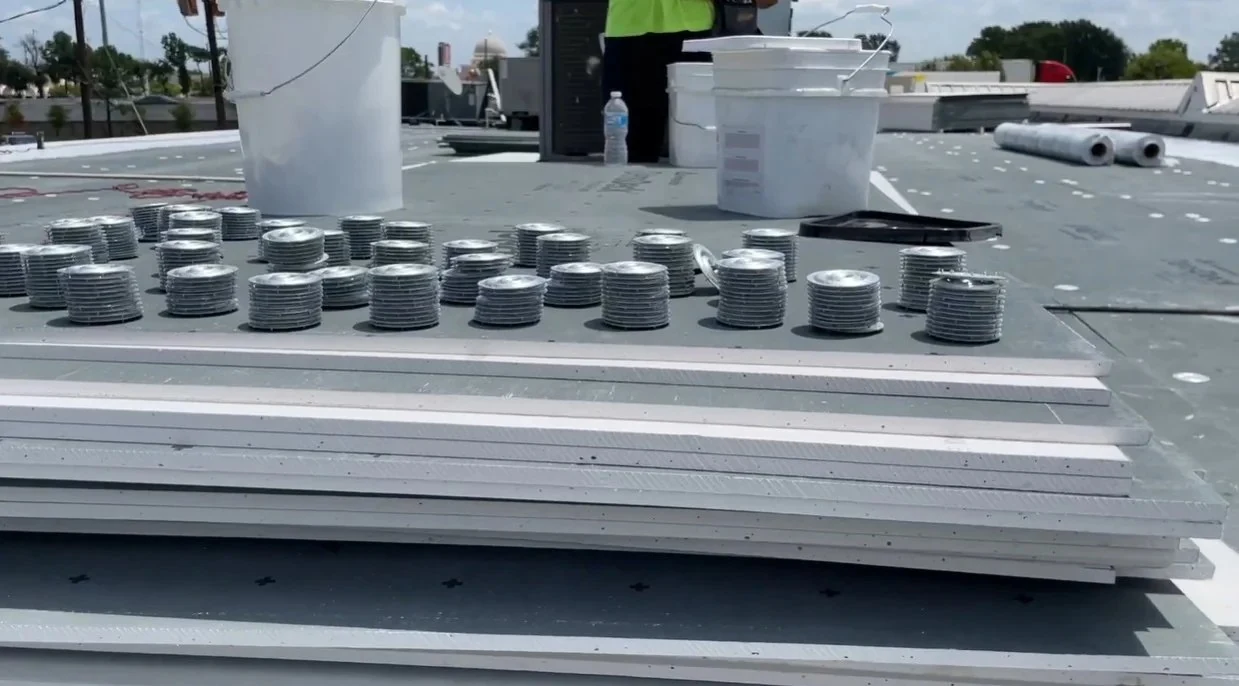
Versico Systems for Multi-Site Retail and Property Portfolios
View project -
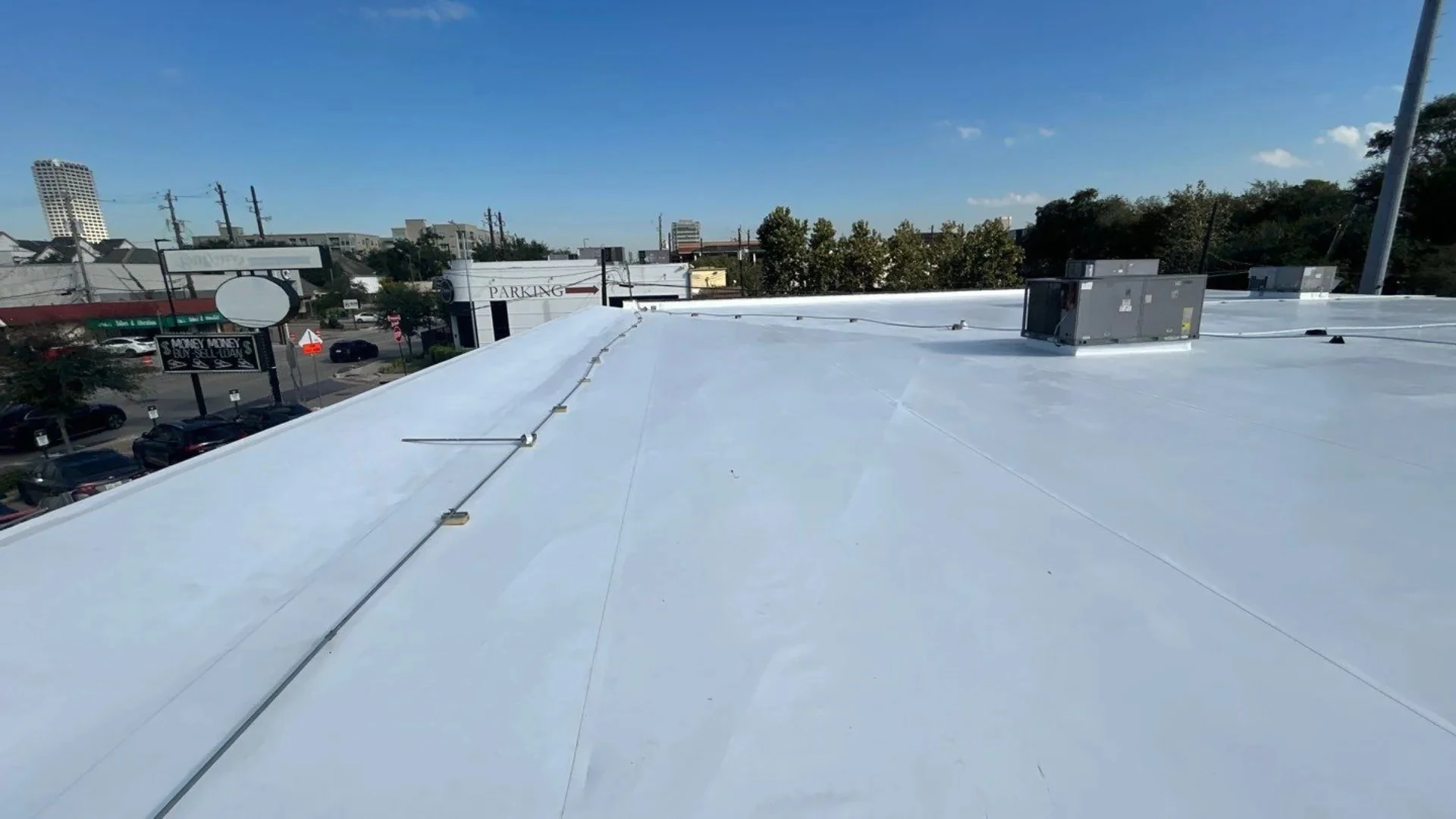
GAF Commercial Roof Systems and Where They Fit in Lansing
View project -
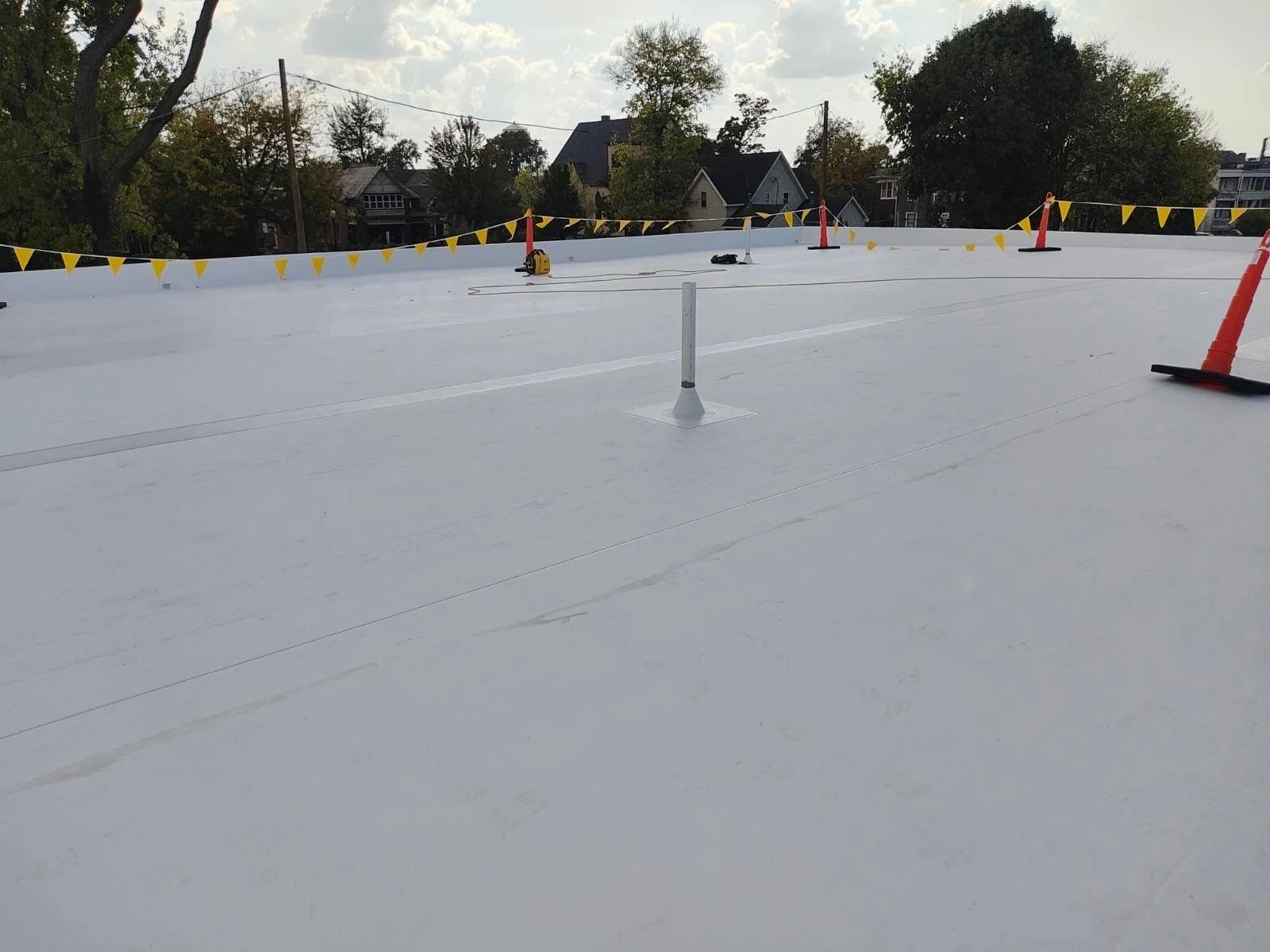
Holcim Elevate Systems: Membrane and Insulation as One Assembly
View project -
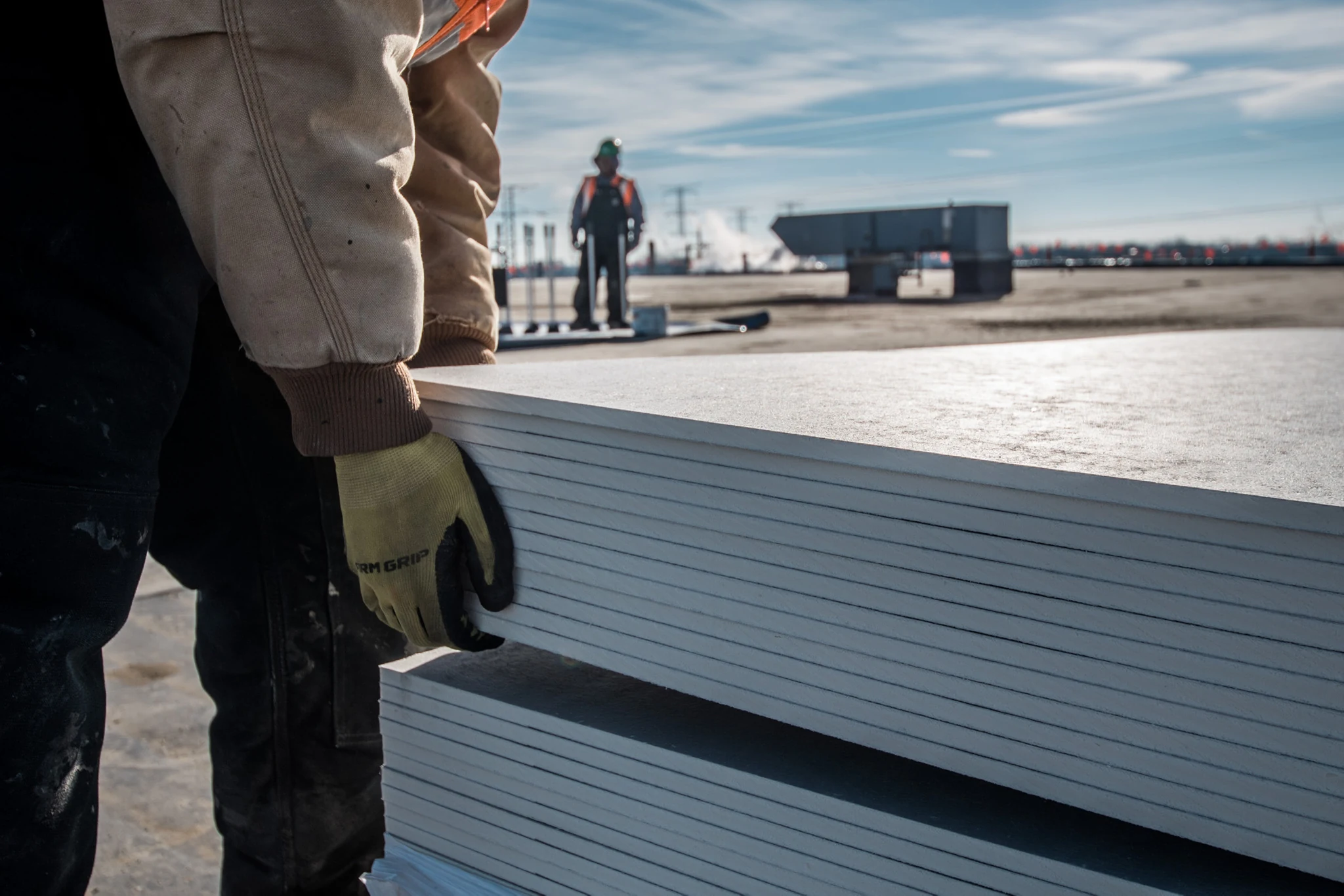
Johns Manville Systems for Schools, Government, and Institutional Roofs
View project -
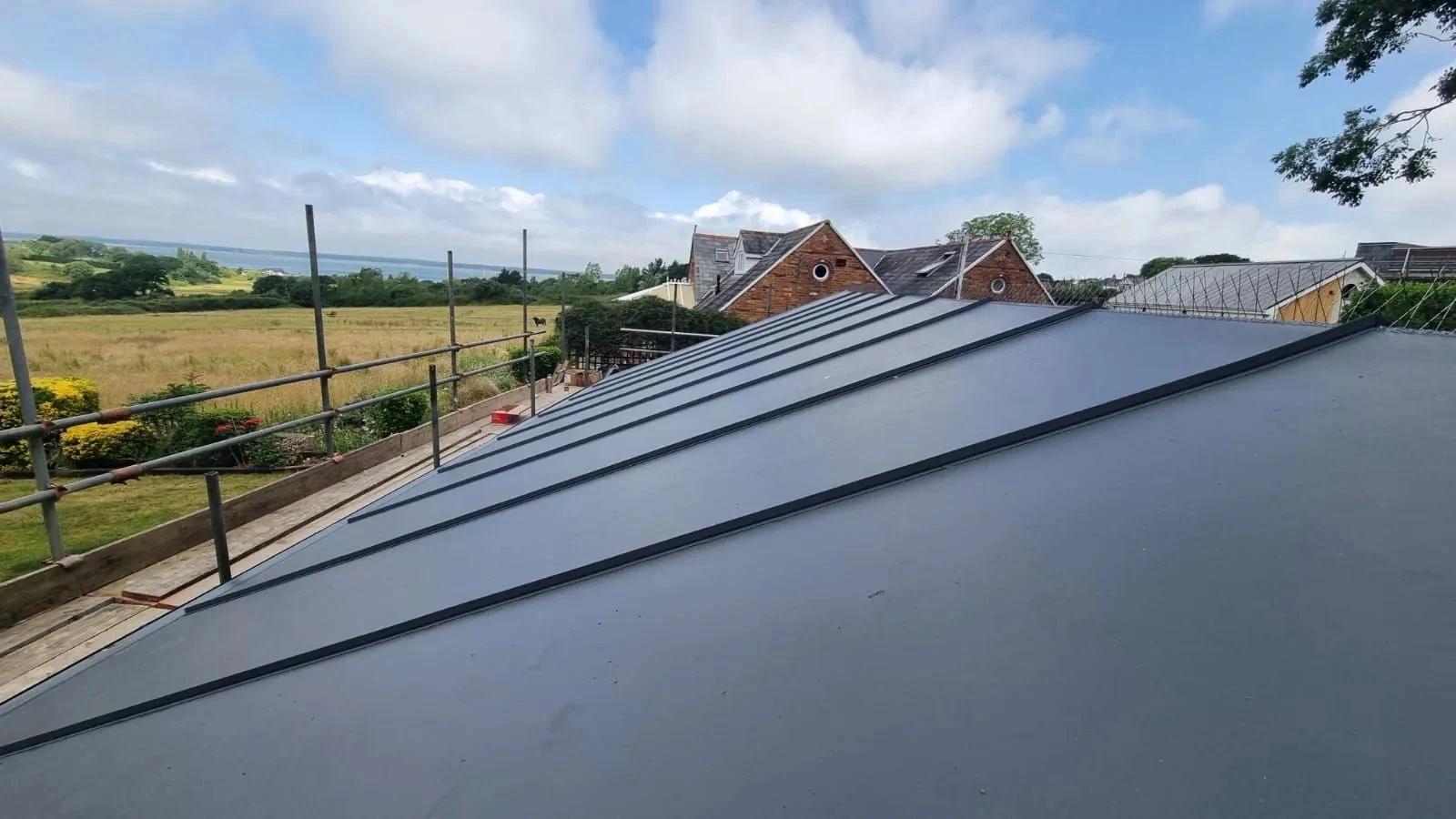
Sika Sarnafil PVC Systems for Wind Uplift and Mechanical-Heavy Roofs
View project -
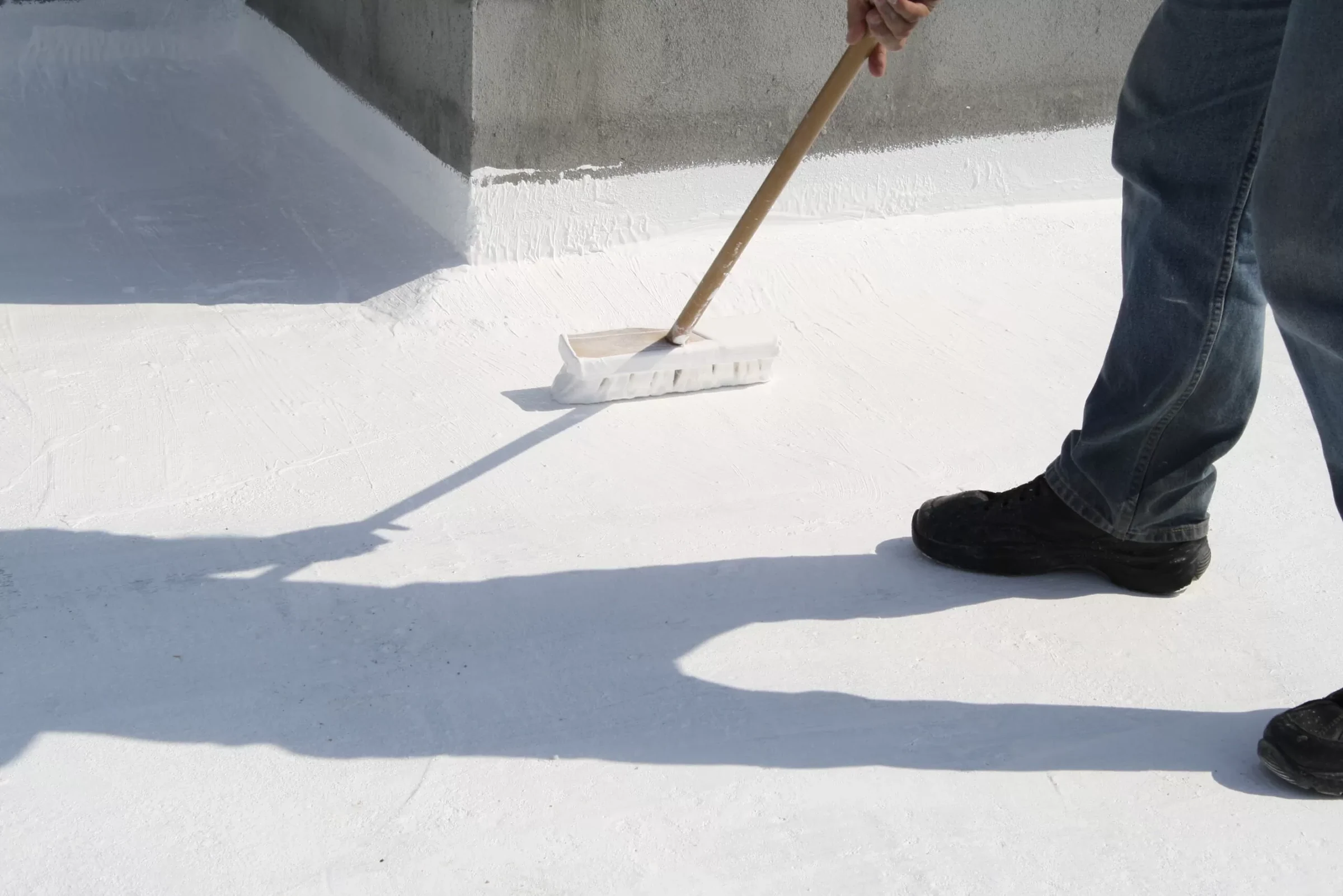
Acrylic Coatings: The Right Tool When Ponding Isn't the Problem
View project