
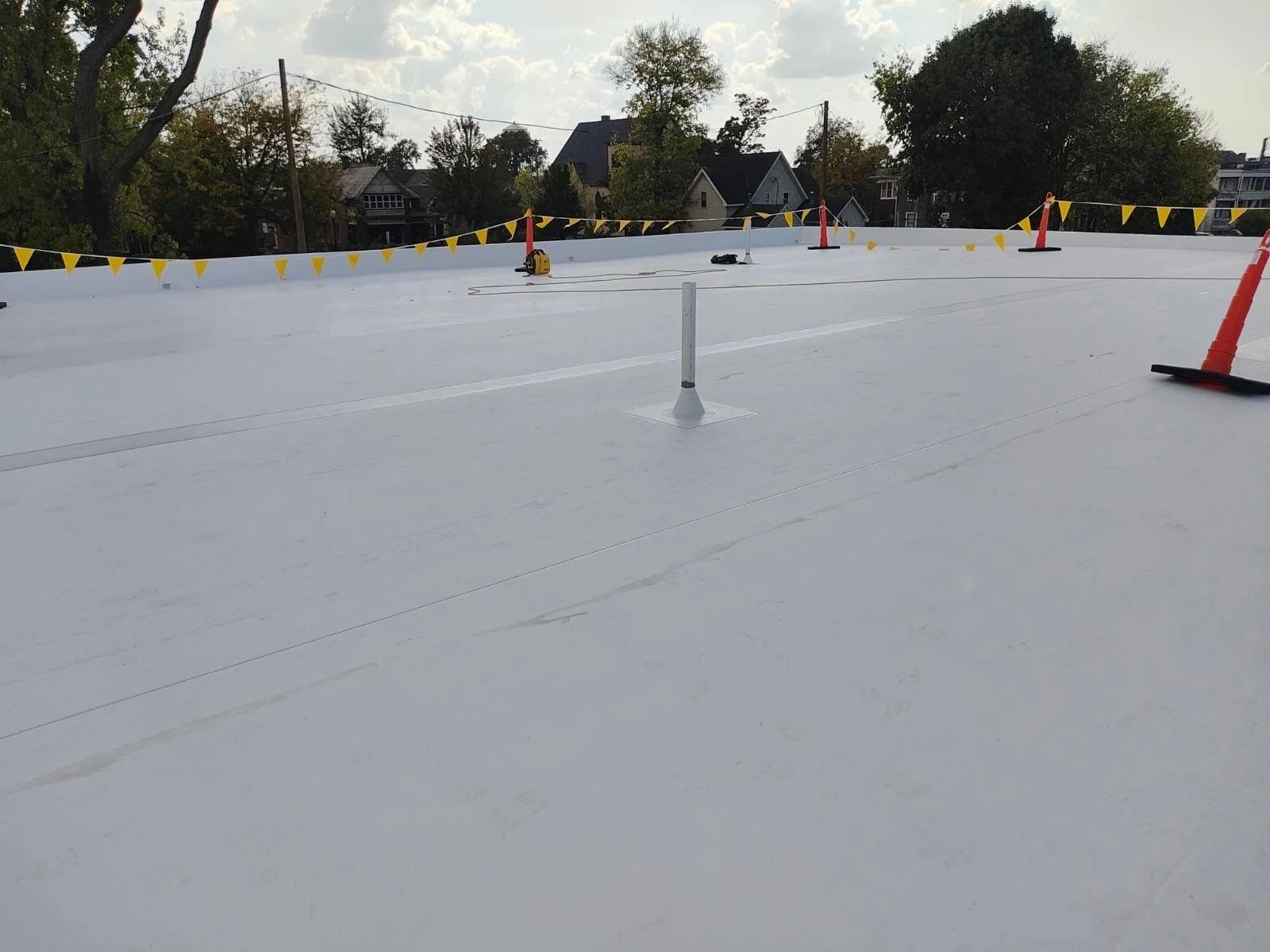
Holcim Elevate Roof Systems in Lansing, MI
Lansing, Michigan
Holcim Elevate Systems: Membrane and Insulation as One Assembly
Elevate's roofing line, under Holcim, covers TPO, EPDM, and PVC membranes along with a substantial insulation product range, which makes it a useful option on projects where insulation performance matters as much as the membrane on top of it. In a freeze-thaw climate, treating insulation and membrane as one integrated decision rather than two separate line items changes how the roof actually performs over its service life.
Why Insulation Gets Equal Billing With Membrane Choice
A new membrane over degraded or thin insulation still leaves the building losing heat through the roof deck, and that heat loss contributes to uneven snow melt on the roof surface, which is part of what drives ice damming at parapets and edges. When we spec a full reroof, we evaluate the existing insulation's condition and R-value alongside membrane selection, because upgrading insulation during a reroof is far cheaper than doing it as a separate project later.
This matters most on older buildings where the original insulation package predates current energy codes, which describes a fair number of the plant-era manufacturing buildings we inspect around Grand Ledge and Charlotte.
We also look at how the insulation interacts with the building's interior humidity, since a mismatch between insulation value and interior conditions is a common, underdiagnosed cause of condensation at the roof deck on older manufacturing floors.
Tapered Insulation for Drainage Correction
Tapered insulation systems let us correct a roof's slope and drainage during a reroof without changing the structural deck, which comes up often on flat retail and office roofs across South Lansing and Holt where ponding water has been an ongoing issue. Rather than treating ponding as a membrane problem, we look first at whether the insulation package can be reconfigured with taper to actually move water to the drains, since no membrane fully solves a slope problem on its own.
Getting the taper design right during the reroof avoids a repeat ponding conversation five years later on a roof that otherwise performed well.
Membrane Options Within the Same Product Family
TPO, EPDM, and PVC options within this manufacturer's line give us flexibility to match membrane category to building use without switching insulation suppliers mid-project. A distribution building near the US-127 corridor might call for a heavier TPO membrane over a high-R insulation package, while a grocery or process building might call for PVC over the same insulation family. Keeping the insulation and membrane compatible within one system simplifies both the installation and the long-term warranty picture.
That flexibility also matters when a portfolio owner has buildings with different exposure profiles but wants consistent insulation performance and detailing standards across every site they manage.
Cold-Weather Installation Sequencing
Insulation installation has its own weather sensitivities, particularly around moisture: wet insulation boards installed under a membrane create a moisture problem that no membrane can fix afterward. We sequence insulation and membrane installation to minimize how long insulation sits exposed to weather during a project, which matters more in a Michigan fall than it would in a drier climate.
- Insulation boards showing visible moisture staining or sagging
- Ponding water in areas where taper should be directing flow to drains
- Cold spots or condensation visible on the building's interior ceiling
- Ice forming unevenly across the roof surface after snow events
- Membrane movement suggesting insulation shifting underneath
- Energy bills trending up without an obvious HVAC-side cause
Several of those signs point to an insulation issue rather than a membrane issue, which is why we evaluate both together rather than assuming a leak or energy problem is automatically a membrane failure.
Where This Approach Pays Off Most
Buildings with a documented ponding history, older insulation packages, or noticeable heat loss through the roof are where an integrated membrane-and-insulation approach delivers the clearest return, more so than on a newer building with a sound, well-sloped roof already in place.
On a newer building with intact insulation and good drainage, the integrated approach still applies in principle, but the practical savings show up mostly in avoided future problems rather than immediate performance gains an owner would notice right away. We still document insulation condition on those roofs so the next reroof decision starts from an accurate baseline instead of a guess.
Questions Owners Ask About Elevate Systems
Do we need new insulation every time we reroof?
Not always. If existing insulation is dry, in good condition, and meets current energy expectations, we may only need to address the membrane. We evaluate this on a project-by-project basis.
How does tapered insulation actually fix ponding water?
It builds a slight slope into the insulation layer that directs water toward drains instead of letting it collect at flat low points, correcting drainage without changing the structural deck.
Does better insulation reduce ice damming?
It can help by reducing uneven heat loss that causes inconsistent snowmelt on the roof surface, though drainage and edge detail still play a major role in ice dam formation.
Can insulation be upgraded without replacing the membrane?
Generally no, since accessing the insulation layer requires removing the membrane above it. That's why insulation upgrades are usually planned alongside a reroof rather than as a standalone project.
Is PVC available within this same insulation-integrated system?
Yes, PVC is part of the broader membrane options that pair with the same insulation product line, which keeps chemical-exposure buildings within the same integrated approach and simplifies future service calls.
Ready to review the roof scope?
Related Roofing Manufacturers
-
GAF Commercial Roof Systems and Where They Fit in Lansing
View project -
Johns Manville Systems for Schools, Government, and Institutional Roofs
View project -
Sika Sarnafil PVC Systems for Wind Uplift and Mechanical-Heavy Roofs
View project -
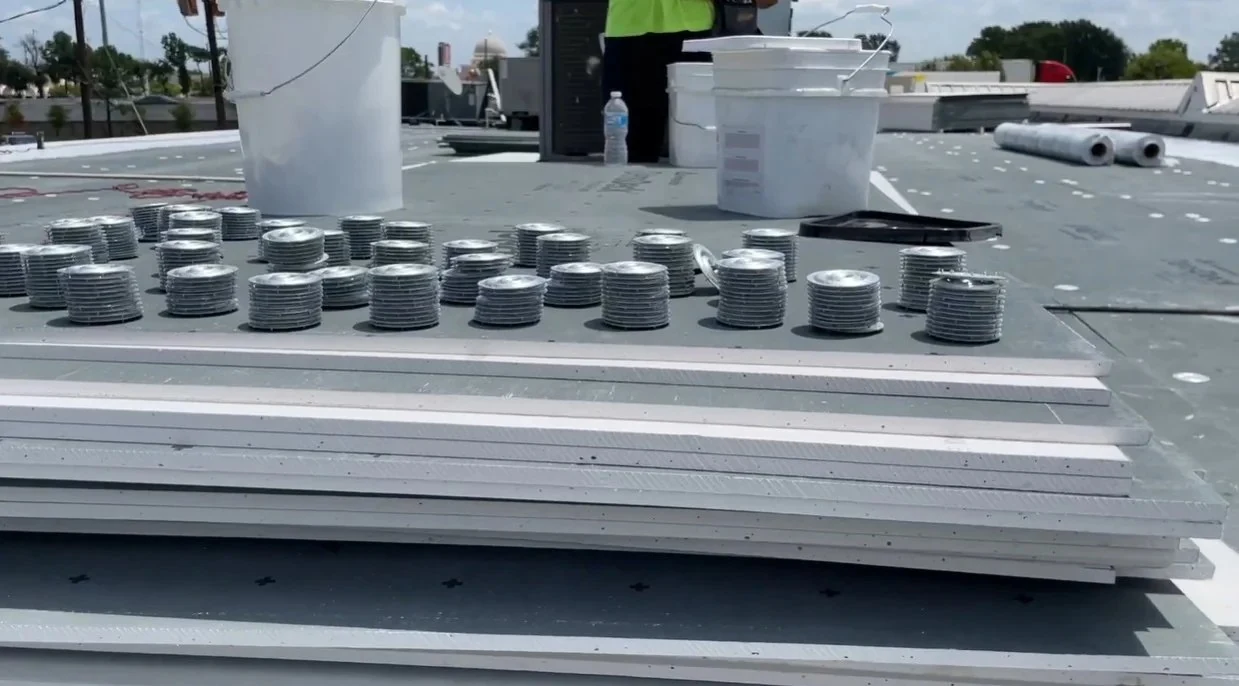
Versico Systems for Multi-Site Retail and Property Portfolios
View project -
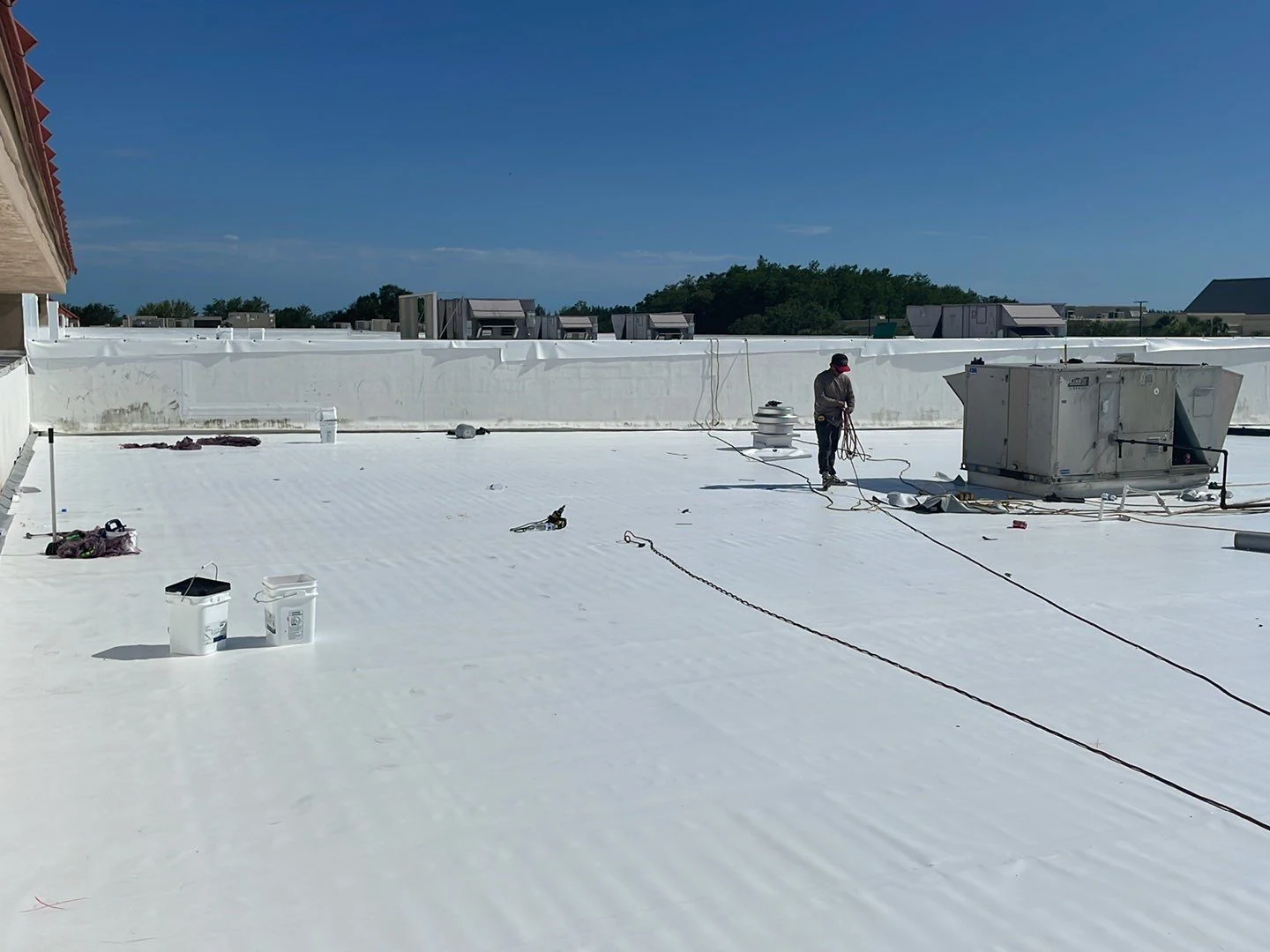
Specifying Carlisle SynTec Systems for Lansing Commercial Roofs
View project -
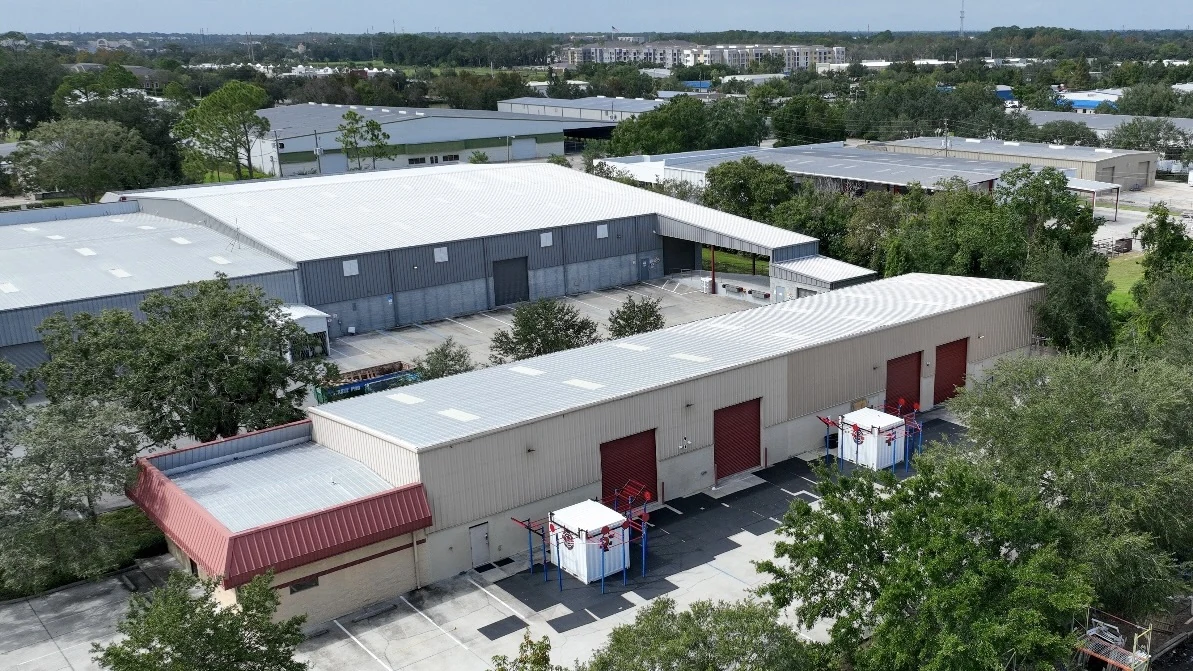
What a Roof Inspection Should Actually Tell a Lansing Owner
View project