
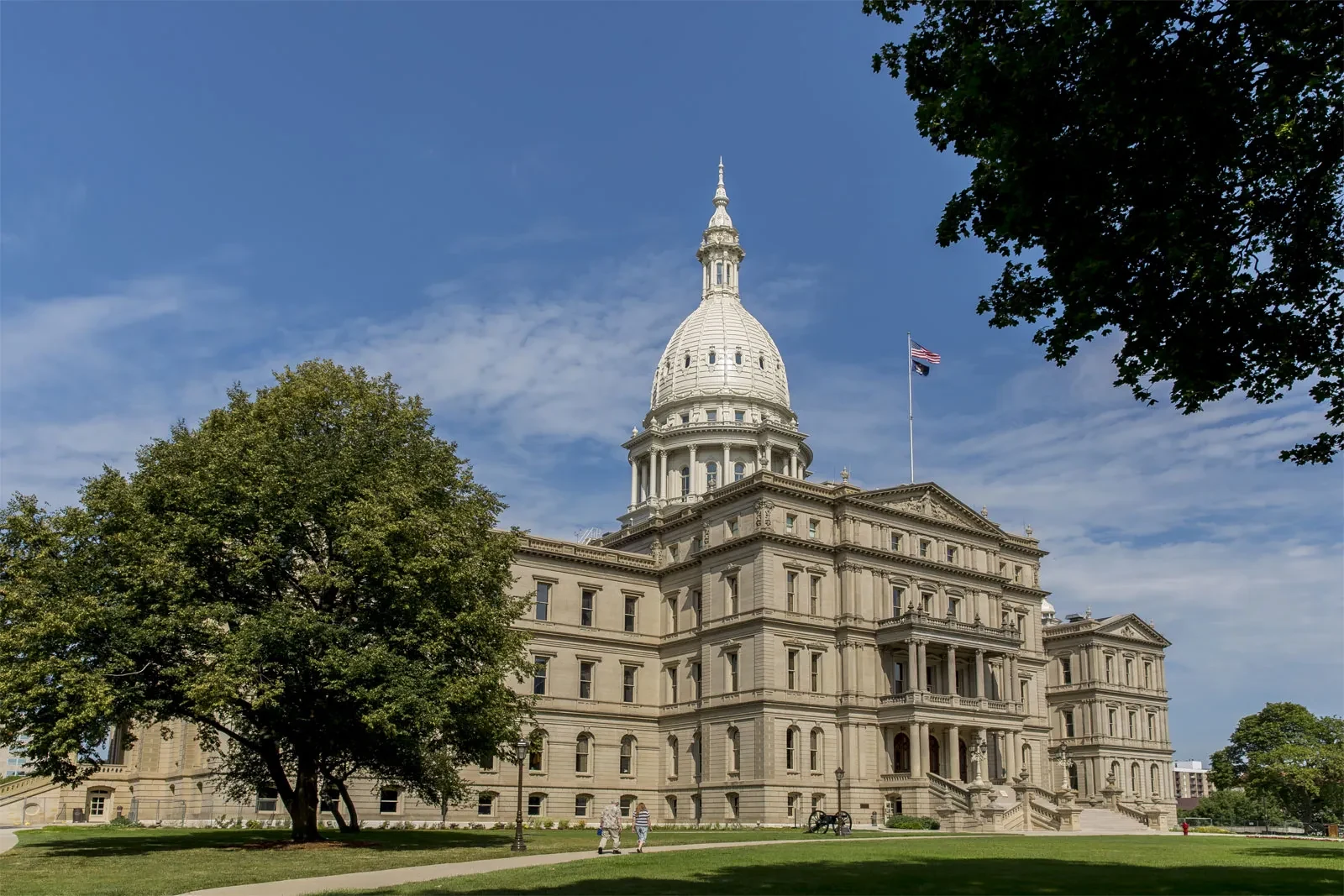
Commercial Roofing Contractors Williamston, MI
Lansing, Michigan
Commercial Roofers in Williamston, MI
A practical commercial roofing plan for Williamston, MI properties separates urgent leak control from repair, coating, maintenance, and replacement decisions supported by photos and condition findings. Williamston is a small city east of Lansing along Grand River Avenue, with a walkable downtown retail district that gives way quickly to light-manufacturing buildings at the edges of town. Between MSU's pull on the broader region and Williamston's own small-town character, the commercial roof stock here is compact but split between two very different construction types.
Downtown Grand River Avenue Buildings Are Older Than They Look
Williamston's downtown storefronts read as well-kept small-town retail, but many of the roofs underneath date back further than the storefronts' current condition would suggest. Facade updates and interior renovations happen more often than roof replacement on buildings like these, which means we regularly find roofing that's a decade or two past a reasonable service life hiding under a building that otherwise looks freshly maintained. A clean-looking storefront doesn't tell you anything about what's happening on the roof deck above it, and we've walked more than one Williamston building where a recent facade grant paid for new windows and signage while the roof kept aging quietly overhead.
We treat every downtown Williamston estimate as an opportunity to actually document roof age and condition, since many owners genuinely don't know how old their roof is or when it was last serviced. That documentation alone changes the conversation from a reactive repair to a planned decision.
Light Manufacturing at the Edge of Town Runs Simpler Buildings, Bigger Stakes
The light-manufacturing buildings on Williamston's edges tend to be smaller than the industrial parks found in larger markets nearby, but that doesn't make the roof stakes smaller for the businesses running under them. A small manufacturer here often runs closer to the margin on downtime tolerance than a larger operation would, since there's less redundancy in staffing and production capacity to absorb a roof-related shutdown. We scope these buildings with that reality in mind, prioritizing fast, clear repair paths over drawn-out evaluation processes when a leak is active.
Proximity to MSU and Lansing Traffic Shapes Access Planning
Williamston's location along the Grand River Avenue corridor between Lansing and Michigan's thumb region means commercial properties here see meaningful commuter and event traffic tied to East Lansing and MSU activity, particularly around football weekends and major campus events. We plan roof work access and material delivery around that calendar for properties along the main corridor, since a delivery truck stuck in event traffic changes a job's timeline more than most owners expect. A weekday morning delivery window that works fine most of the year can turn into a lost half-day during a big campus weekend if it isn't checked against the schedule first.
What Ingham County Winters Do Here
Freeze-thaw cycling affects Williamston the same way it affects the rest of mid-Michigan, but the mix of older downtown roofs and simpler manufacturing roofs means we watch for it in two different ways. Downtown, it's about open laps and parapet caps on aging built-up systems. On the manufacturing buildings, it's about fastener and sealant condition on metal panel roofs. Both patterns show up hardest in the weeks after the first real spring thaw, when meltwater finds every weak point the winter created.
What Gets Checked First in Williamston
- Actual roof age and last-service history on downtown storefronts, often undocumented
- Flashing and penetration condition on light-manufacturing metal roofs
- Parapet cap and coping condition on older downtown buildings
- Fastener and seam sealant condition on metal panel systems after winter
- Drainage capacity ahead of spring thaw across both building types
- Roof access routes relative to Grand River Avenue traffic patterns during peak events
What Waiting Costs a Williamston Owner
For downtown retail, the risk is a roof that's been quietly aging behind a well-kept storefront until it fails during a season when replacement contractors are booked out, forcing an owner into whatever temporary fix is available rather than a planned reroof. Knowing the roof's actual age and condition ahead of time is what turns that into a scheduled decision instead of an emergency one.
For a small manufacturer, the risk is more immediate: limited staffing and production redundancy mean a roof-related shutdown hits harder here than it would at a larger operation with more slack built into its schedule. We prioritize getting a clear repair path in front of these owners quickly, because a fast, honest scope matters more to a business like this than an exhaustive one.
Williamston Roofing Questions
How do you determine the actual age of an undocumented roof?
We look at membrane type, wear patterns, and any visible manufacturer markings, and we can often narrow down an installation era even without paperwork.
Does MSU football traffic really affect roofing schedules here?
Yes, for properties along the main corridor. We plan deliveries and crew access around known high-traffic weekends when it matters for the job.
What roof systems are common on Williamston's light-manufacturing buildings?
Metal panel systems are typical; see our commercial roof inspection page for how we evaluate fastener and seam condition on those roofs.
Can a small business get a fast repair without a lengthy evaluation process?
Yes, when a leak is active we prioritize a clear, direct repair path over an extended assessment, especially for businesses with limited downtime tolerance.
How often should a downtown Williamston building check its roof condition?
At least annually, and ideally before winter, since many of these roofs are older than their storefronts suggest and go undocumented for years at a time.
Ready to review the roof scope?
Related Service Areas
-
Eastwood Towne Center's Roofs Are One Property With a Dozen Different Tenants
View project -
Roofing for Leslie's Small Manufacturers and Downtown Storefronts
View project -
Mason Roofs Range From the Ingham County Courthouse to Dart Container's Production Floors
View project -
Meridian Mall Retail and Okemos Medical Office Roofs Have Different Tolerances
View project -
Roofing Around Perry's I-69 Exit and Farm-Service Buildings
View project -
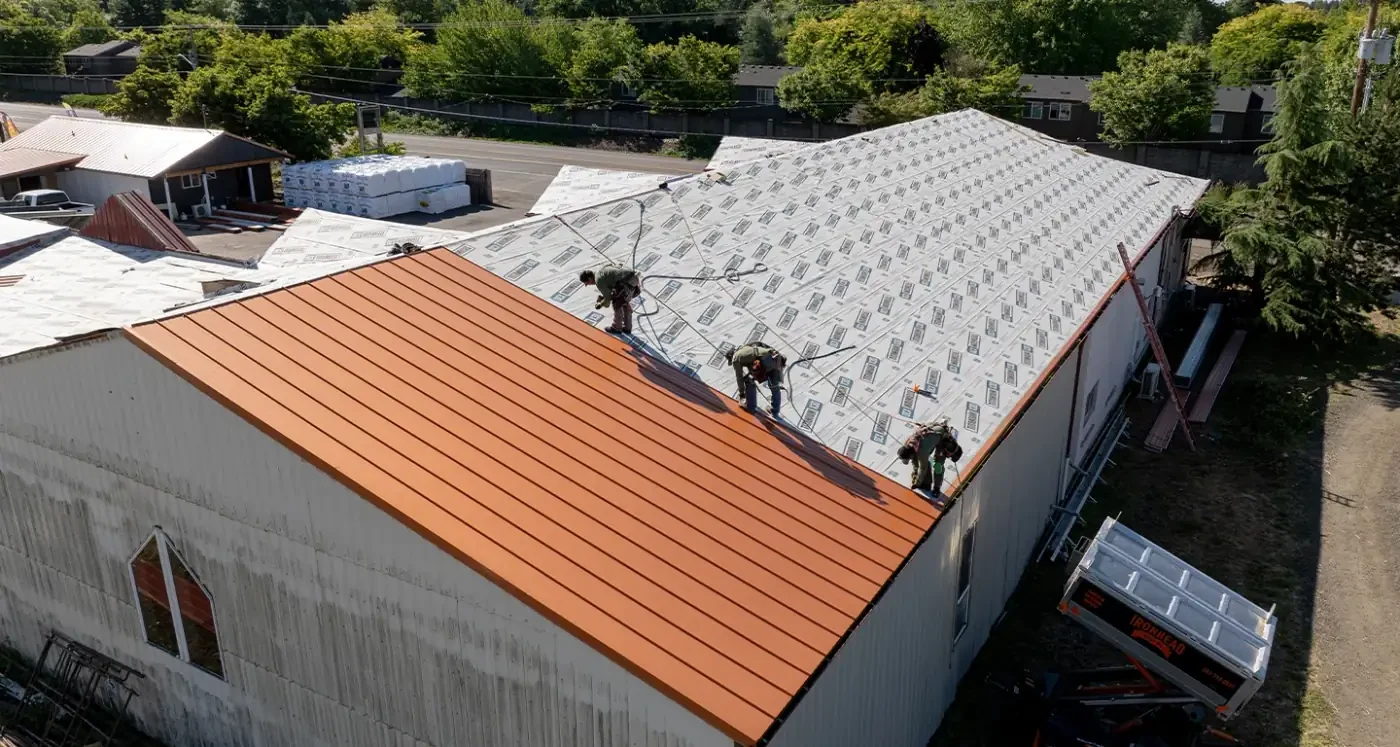
Standing Seam Metal for Distribution and Plant Buildings
View project