
Wind and Storm Damage Roof Insurance Claims in Lansing, MI
Lansing, Michigan
Getting Wind-Damage Claims Right Before the Insurer Calls It Cosmetic
Spring and summer bring two distinct wind threats to Lansing commercial roofs: frequent thunderstorm wind that lifts membrane and edge metal at corners and perimeters, and the occasional derecho-level, straight-line wind event that produces sustained loads across the whole roof rather than a single failure point. Both get filed as wind claims, but they document very differently, and an adjuster looking at a corner patch has no way to know whether the rest of the roof's attachment is sound unless the full extent of the wind event is documented, beyond the visible tear.
Thunderstorm Wind Uplift at Corners and Edges
Wind uplift concentrates at roof corners and perimeter edges, particularly on older buildings where edge metal was fastened to a lower wind-load standard than current code requires. A section of membrane that lifts and tears at one corner during a storm is often a sign the whole perimeter attachment needs review, beyond a patch at the torn spot. We check the full edge condition after any high-wind event, since one visible failure point is frequently a warning sign for others nearby.
Derecho and Straight-Line Wind Events
A derecho moving through mid-Michigan can produce sustained wind loads that exceed what an older roof's design anticipated, especially on buildings that predate current wind-uplift standards. Damage from an event like that tends to be more widespread than a typical thunderstorm - membrane displacement across large sections, coping and edge metal torn loose in multiple locations, and rooftop equipment shifted or damaged. Buildings around the GM plant corridors and the I-96 industrial stretch, with their larger roof spans and heavier rooftop equipment exposure, tend to see the widest damage footprint when a derecho-level event moves through the region.
Why Wind Damage Gets Underclaimed
The most common problem we see with wind claims is not denial - it's a scope that only covers the obviously torn section and misses related damage nearby that has not yet failed outright but is compromised. Fastener patterns loosened by the same wind event, edge metal displaced but not torn free, and membrane seams stressed without visible separation all belong in the documentation even when they look intact from a distance. A carrier reviewing a narrow scope has no reason to ask about damage that was never documented.
What a Wind Damage Assessment Covers
- A full roof walk documenting every area of visible or suspected damage, beyond the reported location
- Photographs and measurements of displaced or torn membrane, edge metal, and flashing
- A check of fastener and attachment condition along the full perimeter, not only the failed section
- An assessment of whether rooftop equipment was shifted, damaged, or had connections compromised
- A written scope separating emergency stabilization from the permanent repair
Meeting the Adjuster on a Wind Claim
We meet the carrier's adjuster on the roof to walk through the documented damage and the reasoning behind the scope, including the parts of the roof that are not visibly torn but show attachment stress from the same event. We present what we found and let the adjuster reach their own conclusion. If the assessments differ on a specific point, we explain the physical evidence, but the claim decision is between the owner and the carrier.
What We Do - and What We Don't
We're your roofing contractor, not a public adjuster - we document and substantiate the roof damage so you and your adjuster work from an accurate scope. We do not file the claim, negotiate the settlement, or promise what a carrier will approve.
Wind and Storm Claim Questions From Lansing Owners
How soon after a windstorm should the roof be inspected?
As soon as it is safe to access, ideally within a day or two. Wind damage that looks minor at first can be a sign of broader attachment failure that is easier to document before more weather moves through.
Does a small tear at one corner mean the rest of the roof is fine?
Not necessarily. A tear at one corner is often the visible sign of an edge attachment issue that extends further than the torn section. We check the full perimeter rather than assuming the damage is contained.
Will insurance cover repeat wind damage at the same location?
That depends on whether the underlying cause was addressed after the last event. A carrier may treat repeat damage at the same spot differently if the same attachment issue was never permanently corrected.
What if our wind claim comes back lower than expected?
We can compare the carrier's findings to our own documentation and identify what may have been missed, particularly damage that was not visibly torn but is evident on closer inspection of fasteners and seams.
Do you work directly with our insurance adjuster on site?
Yes, we meet the adjuster on the roof and walk through our documentation and reasoning. We do not represent the claim on the owner's behalf or negotiate its outcome.
Ready to review the roof scope?
Related Commercial Roofing Services
-
Getting the Full Roof Damage Scope Into Your Insurance Claim
View project -
Documenting Ice Dam and Snow-Load Roof Damage Before the Thaw Erases It
View project -
Proving Hail Damage on a Membrane Roof Isn't as Obvious as a Dented Panel
View project -
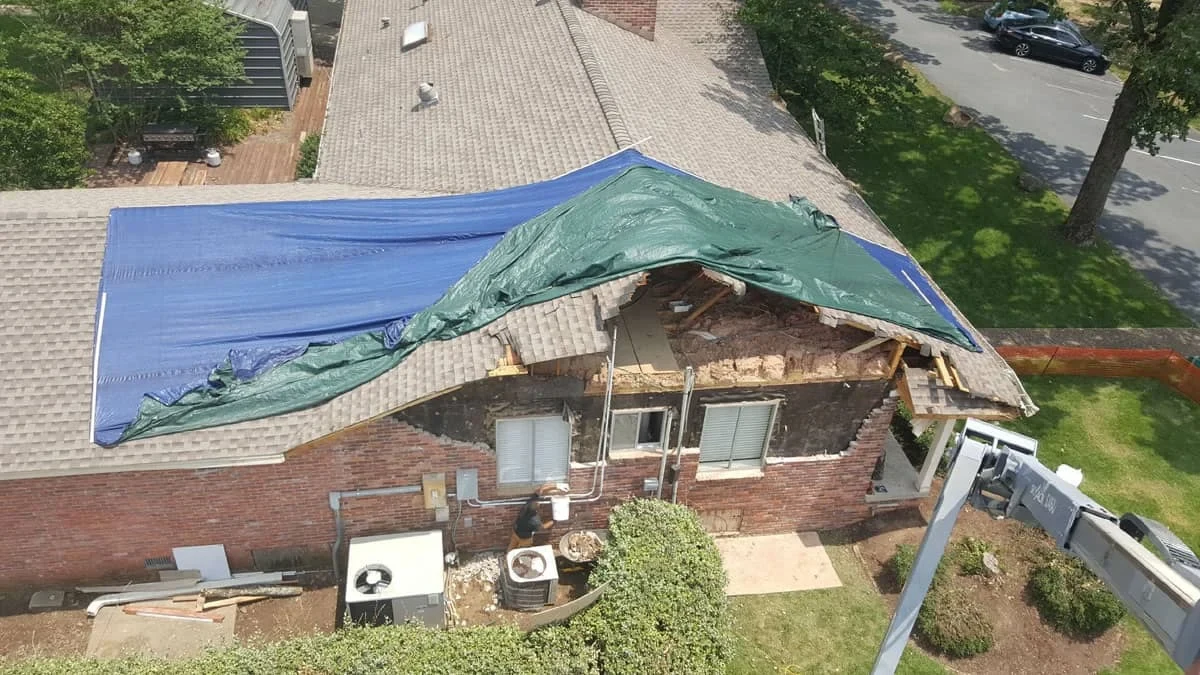
Repairing Lansing Roofs After Wind, Ice, and Derecho Damage
View project -
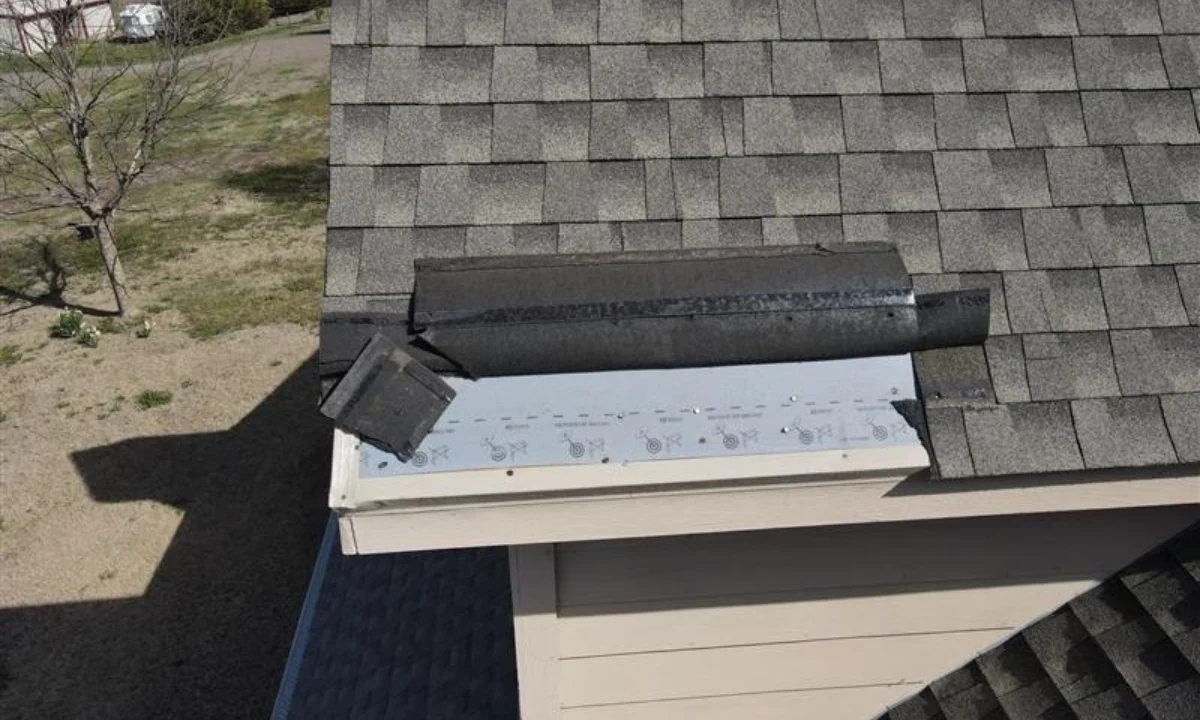
Documenting Storm Damage for a Claim, Not Promising the Outcome
View project -
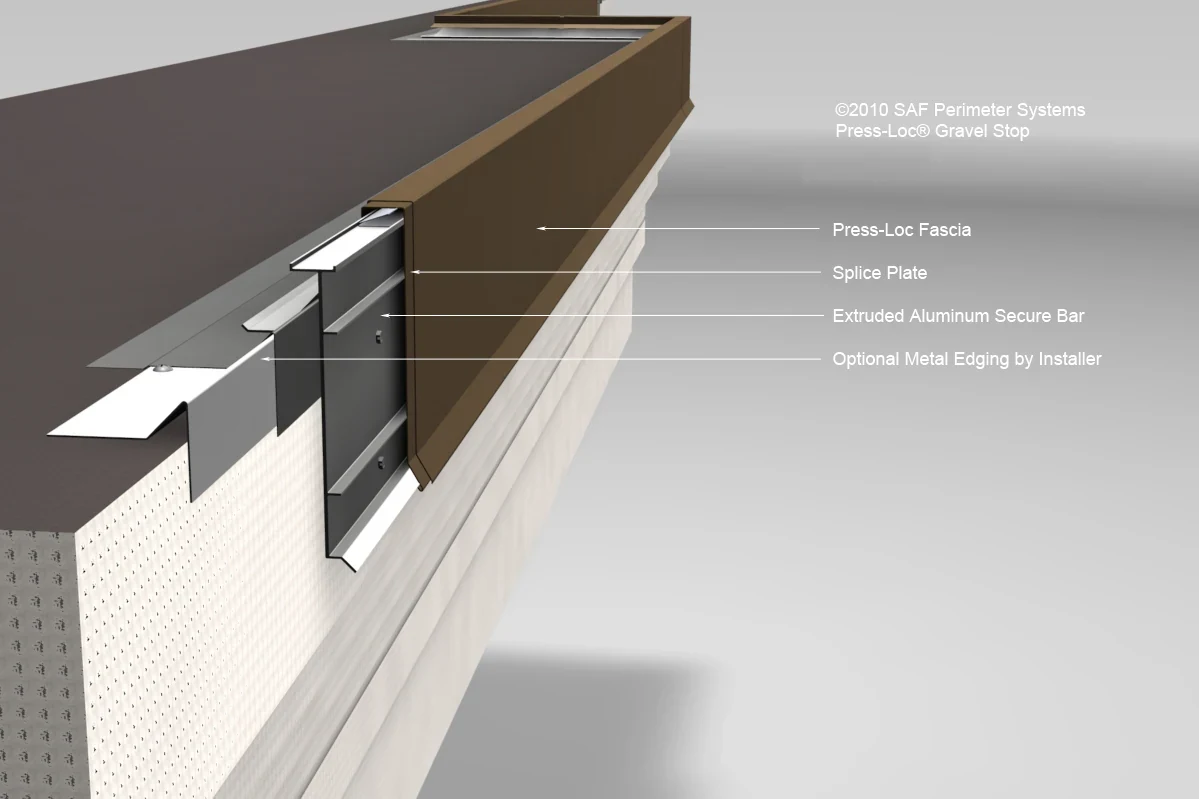
Edge Metal, Coping, and Gutters Built for Real Michigan Wind
View project