
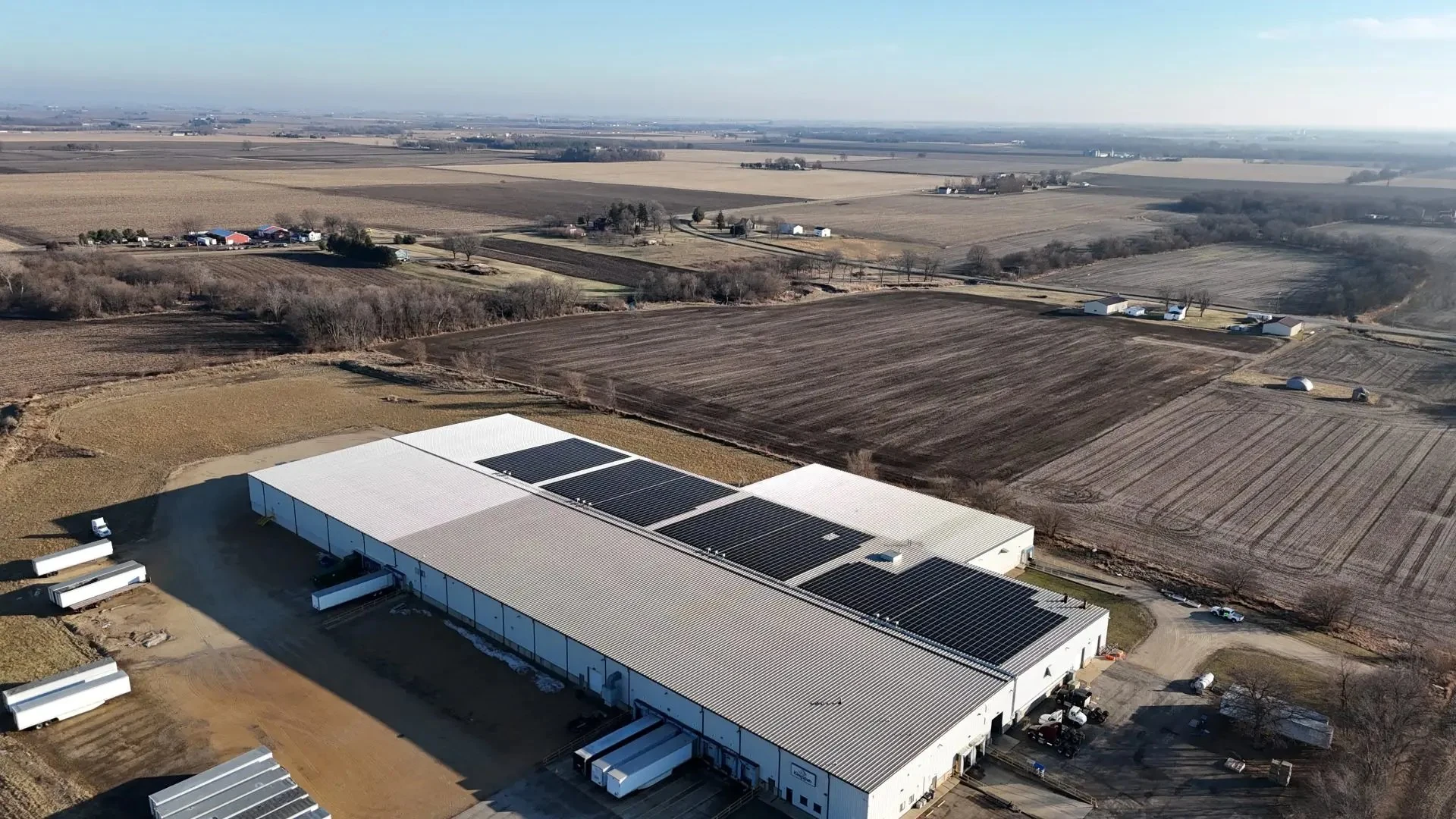
Warehouse Roofing in Lansing, MI
Lansing, Michigan
Keeping a Long-Span Warehouse Roof Ahead of the Next Michigan Winter
Light industrial corridors from Holt to Grand Ledge and DeWitt Township run warehouse roofs that take more abuse than most owners realize until a leak shows up over the wrong pallet rack. We treat warehouse roofing as a maintenance and risk problem first, since most of the damage we find started small and went unreported for a long time.
Warehouse Roofs Take Damage That Rarely Gets Reported Until It Fails
A warehouse roof doesn't get the same daily attention an office building gets, because nobody's looking up at the ceiling tiles in a storage aisle the way they would in a lobby. Ponding water, a slowly failing seam, or a punctured membrane near a rooftop unit can sit unreported for months, quietly getting worse, until it finally drips onto inventory or racking below.
We recommend a standing inspection schedule for exactly that reason. A roof that gets looked at twice a year catches small problems while they're still cheap fixes, instead of waiting for a leak to announce itself over product that's now damaged along with the roof.
Long-Span Roofs Carry Snow Load Differently Than Smaller Buildings
A warehouse roof with a long clear span behaves differently under heavy snow than a smaller building with more structural support points. Snow drifts unevenly around rooftop units, parapets, and HVAC curbs, building up in specific zones rather than settling flat across the field, and those drift zones carry more structural load than most owners expect from a total snowfall number.
We look at drift patterns from prior winters when evaluating an older warehouse roof, because a membrane that's ponding or showing stress near a specific rooftop unit is often reflecting a snow load pattern that's been repeating in the same spot for years.
What's Stored Below Changes What We're Willing to Risk Above
A warehouse racked floor to ceiling with product changes the calculation on any roof work happening overhead. Dust, debris, and moisture during tear-off can't drift down onto stored inventory the way they might in an empty building, so we adjust containment and staging based on what's directly below the work area.
That's a conversation we have with the warehouse operator before scheduling, not something we figure out once we're already on the roof. Knowing which aisles run sensitive or high-value inventory changes how we sequence the job.
- Dry storage and general warehouse buildings
- Cold storage and refrigerated warehouse facilities
- Light manufacturing and assembly warehouses
- Distribution and cross-dock facilities
- Self-storage and mini-warehouse complexes
- Flex-space buildings combining office and warehouse
Recover Versus Tear-Off on an Aging Metal Building
A lot of the warehouse stock across the region runs on metal panel or built-up roofing installed decades ago, and the decision between recovering that roof or tearing it off entirely comes down to what's underneath rather than what the surface looks like. We check for trapped moisture in the insulation layer before recommending a recover system, because covering wet insulation with a new membrane just seals the problem in rather than fixing it.
When a recover makes sense, it's usually the more cost-effective path for a warehouse owner managing a large flat roof on a tight budget. When it doesn't, we explain exactly why, with moisture scan results the owner can see for themselves.
We walk owners through the scan results section by section rather than handing over a single pass or fail summary, since a warehouse roof this size often has some areas that are still sound and others that need attention. That distinction can mean recovering most of the roof while budgeting separately for a smaller tear-off zone where the deck itself needs replacing.
Light Industrial Corridors From Holt to Grand Ledge Run Similar Roof Profiles
The warehouse and light industrial buildings scattered through Holt, Grand Ledge, DeWitt Township, and similar corridors around the region tend to share a roof profile: single-story metal buildings with low-slope membrane sections added over the years as operations expanded. That shared profile means we see the same failure patterns repeat across different owners and different buildings.
Knowing what typically goes wrong on that building type in this specific climate lets us spot developing problems faster during an inspection, rather than treating every warehouse roof as a completely unknown quantity.
Warehouse Roofing Questions We Hear Most
How often should a warehouse roof get inspected?
We recommend at least twice a year, once before winter and once after, plus a check after any significant storm or heavy snow event.
Can roof work happen without shutting down warehouse operations?
In most cases, yes. We coordinate containment and staging around active operations, though heavily racked areas directly below the work zone may need temporary clearing.
How do you decide if a metal roof needs full replacement instead of recover?
We run a moisture scan on the existing insulation. If it's dry and the deck is sound, a recover is usually viable; if it's saturated, recover just traps the problem.
Do snow drifts cause more damage than total snowfall amount?
Often, yes. Drift zones near rooftop units and parapets carry more concentrated load than the flat field, so we watch those areas closely on long-span roofs.
What's the biggest risk factor for warehouse roofs in this region?
Ponding combined with freeze-thaw cycling. Water that sits on a low-slope roof through repeated freezing and thawing accelerates membrane fatigue faster than either factor alone.
Ready to review the roof scope?
Related Commercial Project Types
-
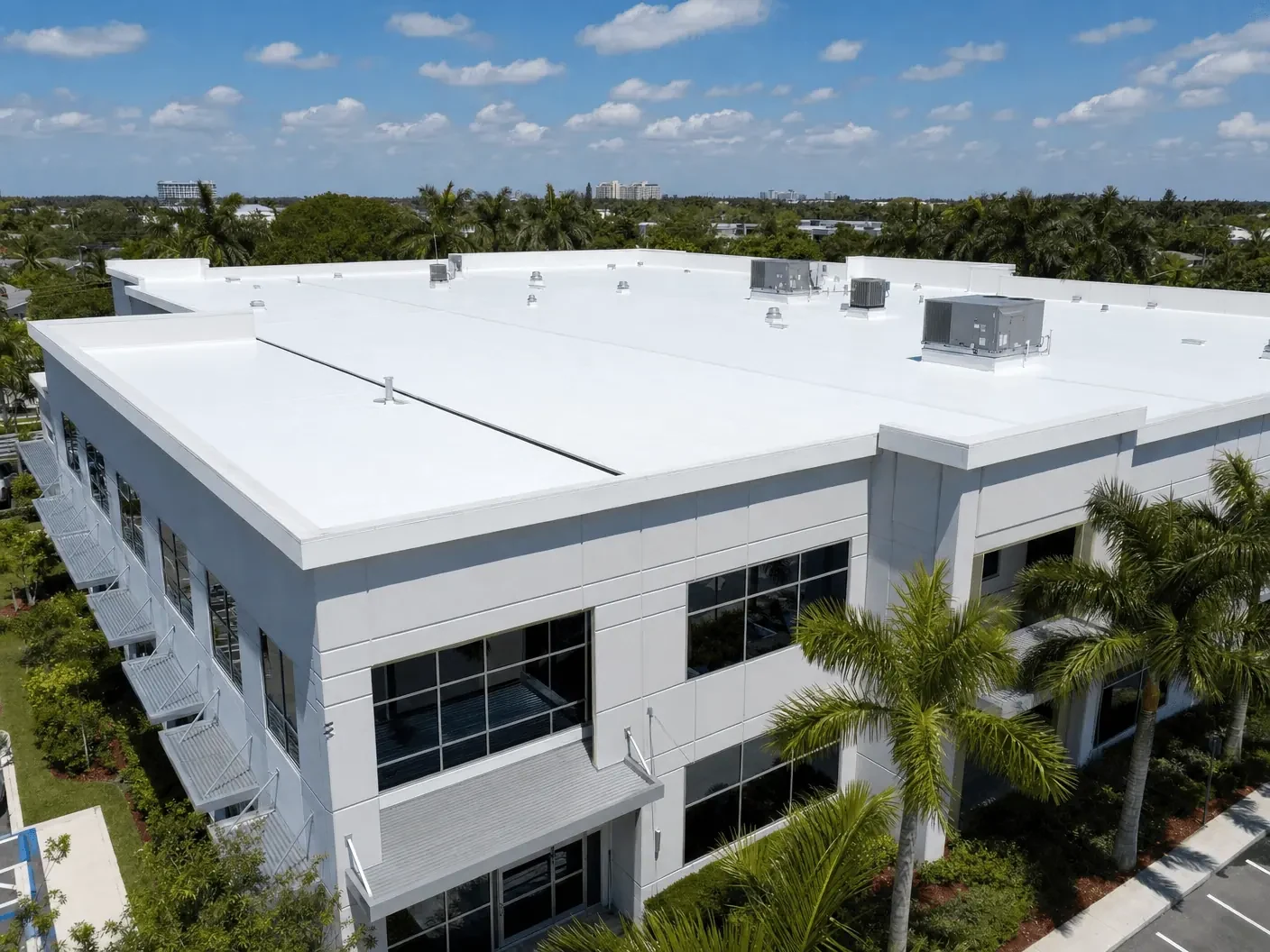
Roof Decisions for Buildings Full of Businesses That Aren't Yours
View project -
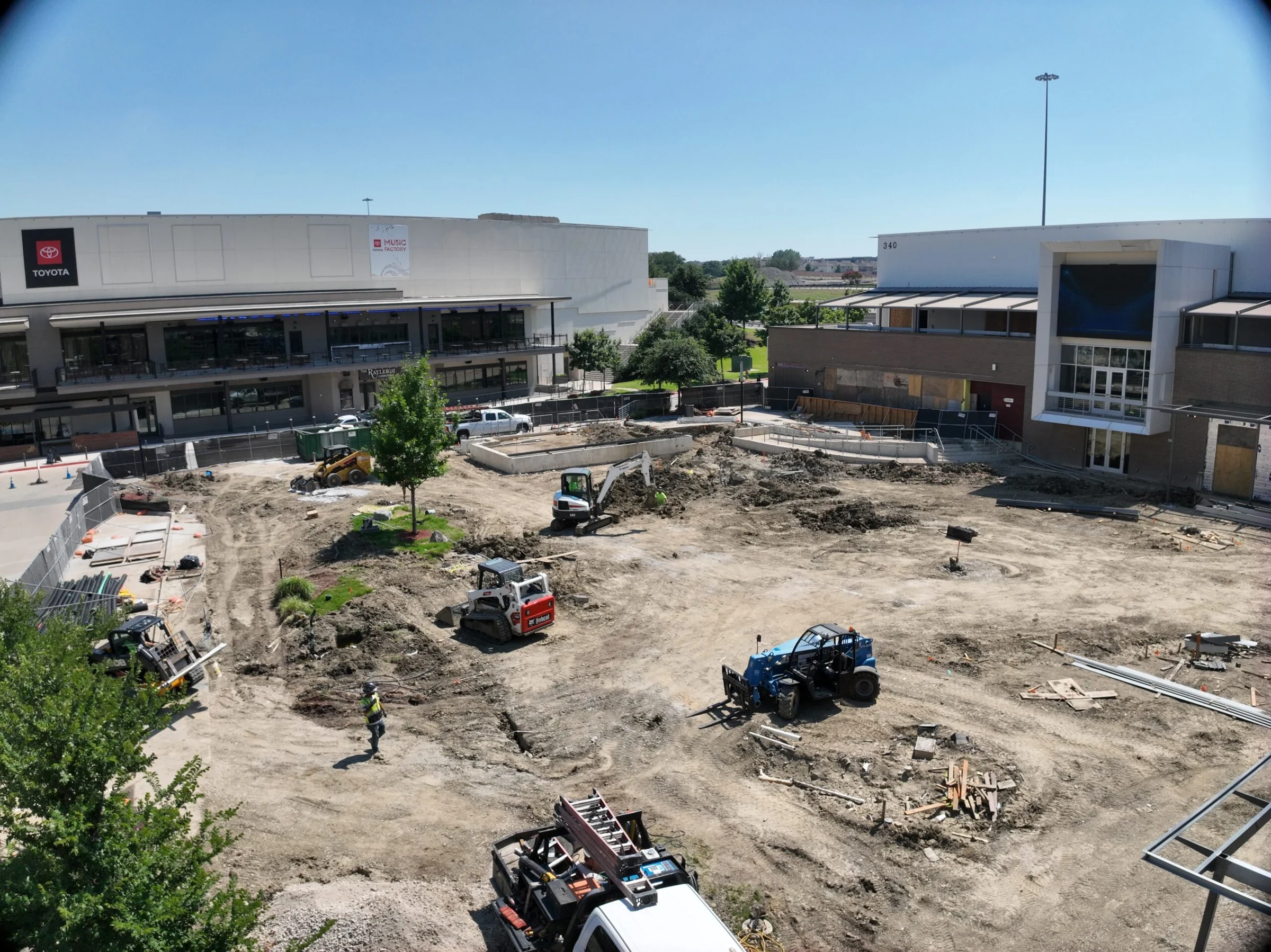
Roof Work Above a Production Line That Can't Stop for Us
View project -
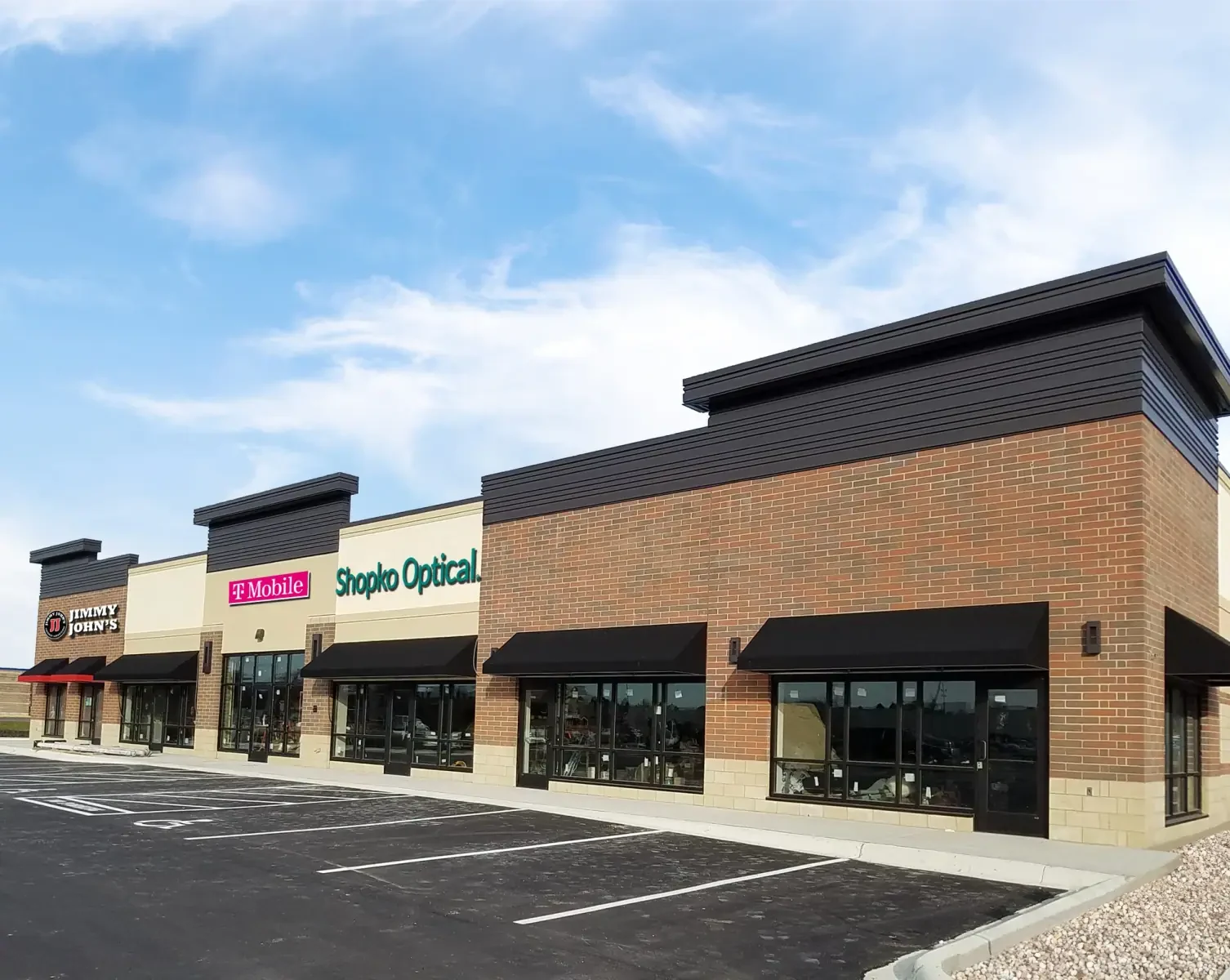
Keeping the Doors Open While the Roof Gets Fixed
View project -
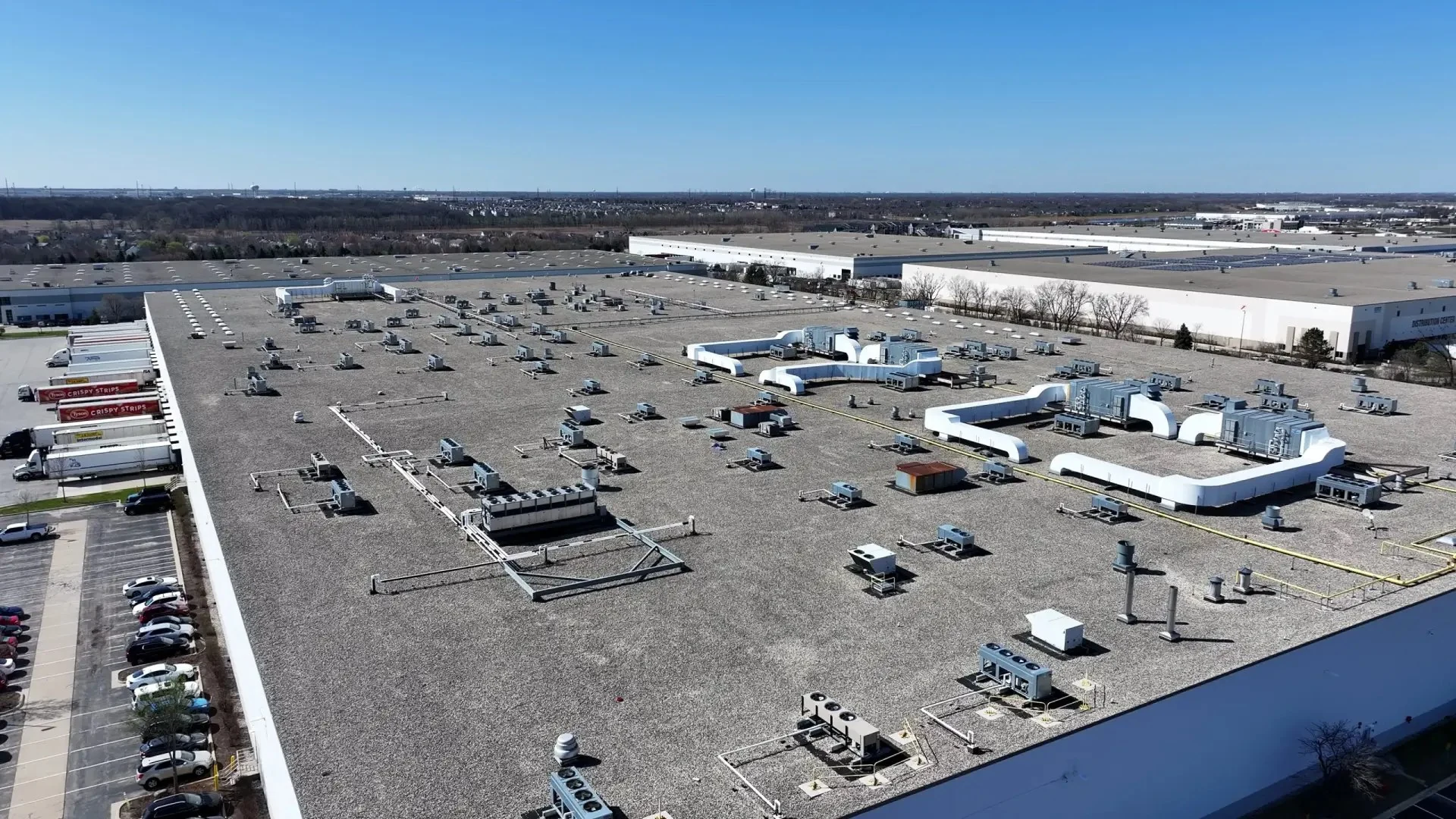
Roofs Built to Match the Scale of a Regional Distribution Hub
View project -
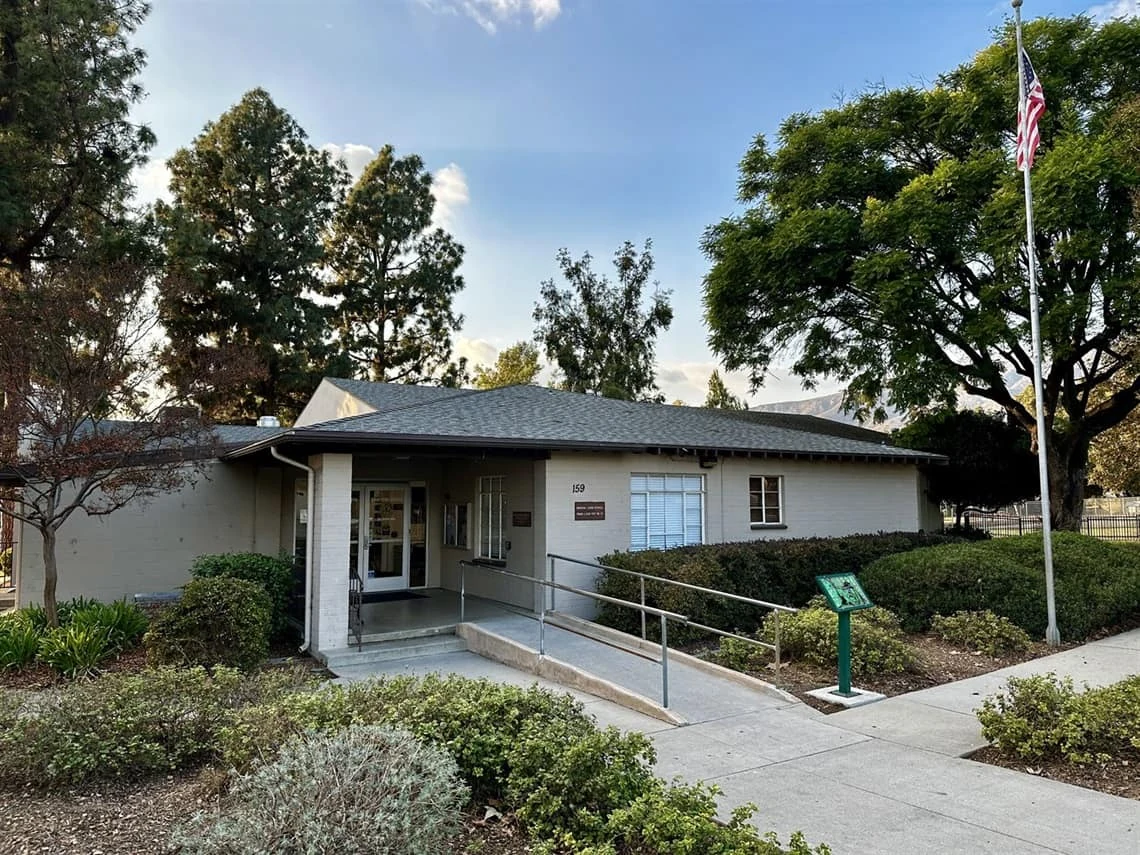
Roofing Decisions for the Buildings the State of Michigan Runs Every Day
View project -
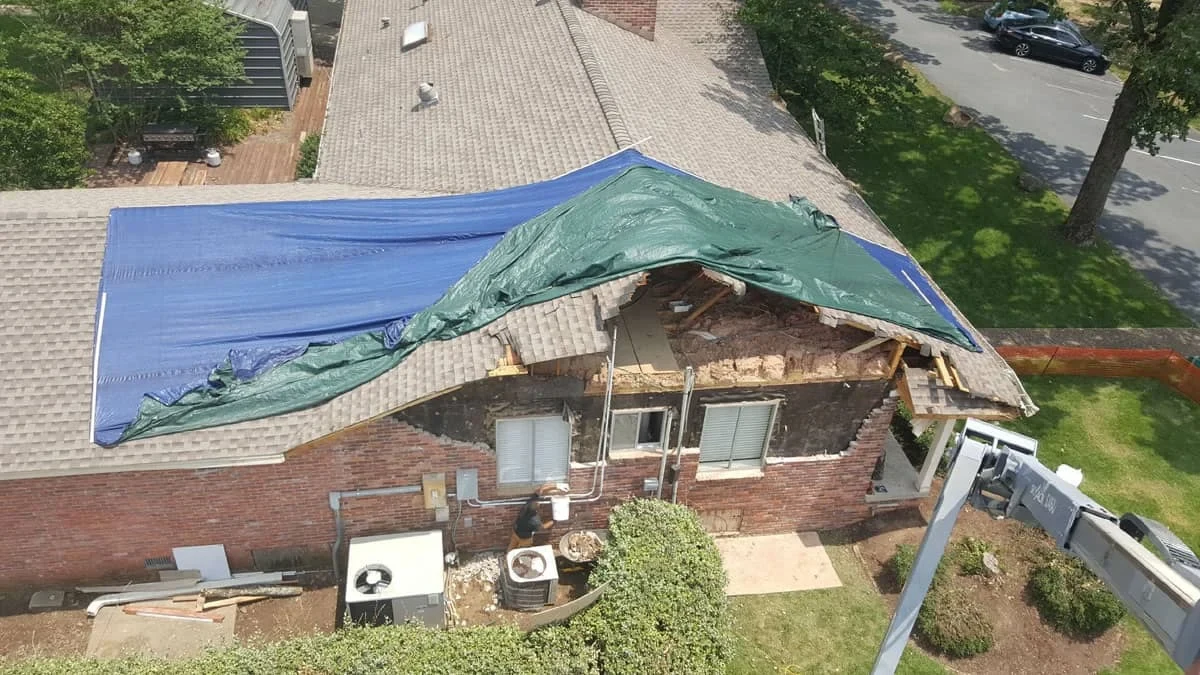
Repairing Lansing Roofs After Wind, Ice, and Derecho Damage
View project